Algeria’s Sonelgaz takes bold new step with Senegal amid regional energy shakeup
The Algerian energy giant Sonelgaz is pressing ahead with its African expansion strategy, this time setting its sights firmly on Senegal. The signing of two landmark memorandums of understanding with Senelec on Saturday marks a significant escalation in Algeria’s broader diplomatic and economic game plan across the continent.
While applauded by some as a strategic partnership for energy independence, the move has also ignited debate over Algeria’s growing influence in West Africa and what it means for regional energy dynamics.
From hydrocarbons to engineering: Algeria shifts regional energy strategy
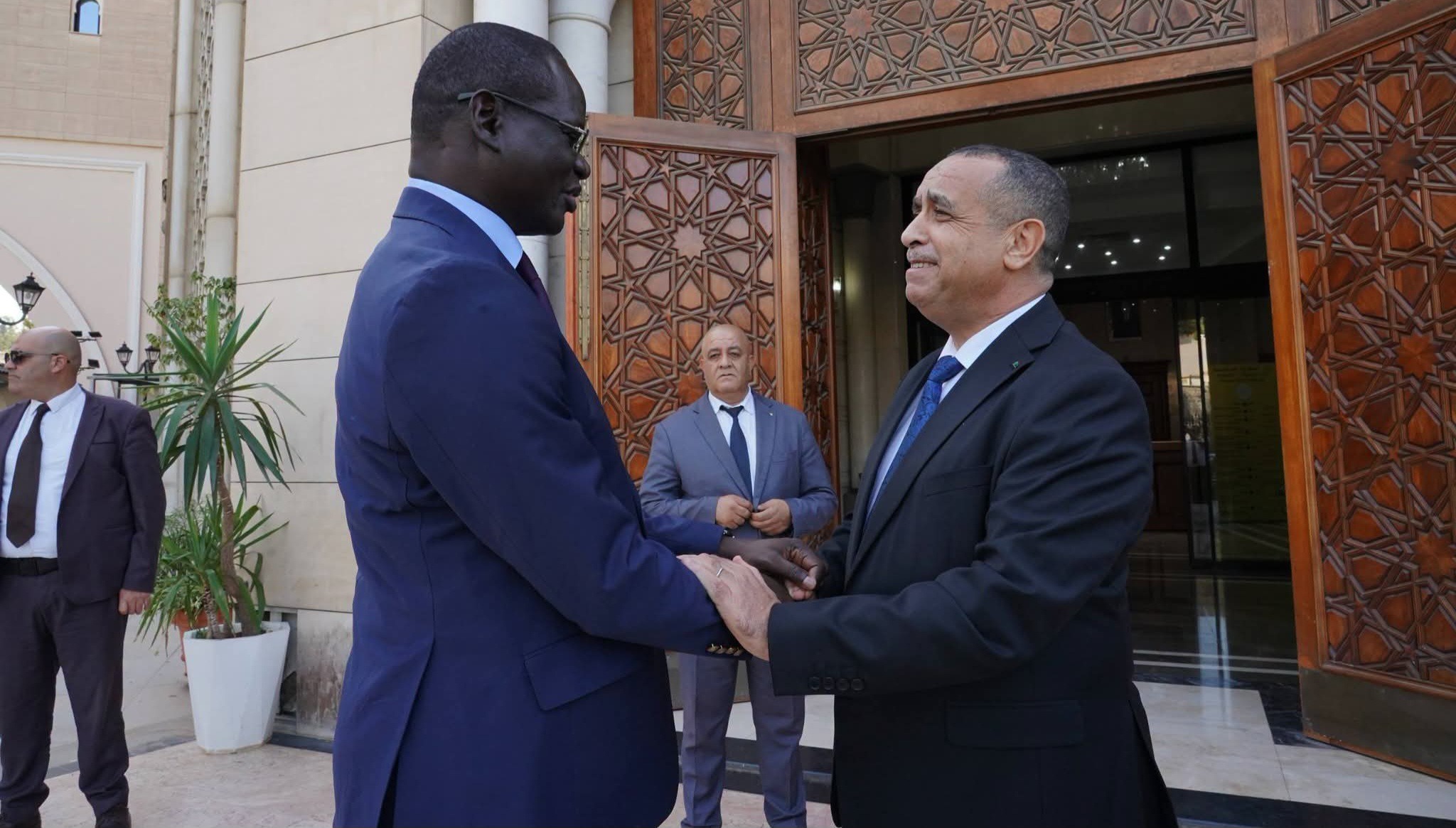
The meeting between Algerian Energy Minister Dr Mourad Adjal and his Senegalese counterpart El Hadji Abdourahmane Diouf represents more than just another diplomatic engagement. It signals a clear shift in Algeria’s approach: moving beyond oil and gas exports to exporting technical expertise and infrastructure development.
Sonelgaz, long established in Mali, Niger, Cameroon, Benin, and Mauritania, is now extending its reach into Senegal. The Algerian delegation emphasized their willingness to support Senegal across the entire energy value chain — from electricity generation and gas distribution to equipment manufacturing and professional training.
Natural gas takes center stage in Senegal’s energy future
With Senegal on the brink of joining the exclusive club of natural gas producers, the timing of this partnership could not be more critical. The discussions centered heavily on gas-to-power initiatives — an area where Algeria has decades of proven expertise. As Dakar seeks partners to help monetize its newfound gas reserves, Sonelgaz’s experience in gas infrastructure development offers a compelling advantage.
The two memorandums signed between Sonelgaz and Senelec outline a multi-pronged cooperation framework including:
- Skills transfer and technical support to build local expertise;
- Production and distribution of electrical equipment to strengthen domestic manufacturing capacity;
- Expansion of energy infrastructure, including power plants and transmission lines;
- Enhanced electrical interconnection to improve regional grid stability and cross-border trade.
Dakar welcomes a ‘reliable partner’ as questions emerge over long-term impact
Senegalese officials have framed Algeria as a “reliable partner” upon which the country will build its future. The statement underscores Senegal’s strategic belief in leveraging external expertise to accelerate its energy transition. But as with any major international partnership, public reaction is mixed. Advocates hail the deal as a pathway to energy self-sufficiency, while critics warn of potential over-reliance on foreign models and increased commercial dependency.
The partnership is widely seen as a win for South-South cooperation — a model praised for its mutual benefits and cost-efficient development solutions. By aligning with a continental energy leader like Sonelgaz, Senegal aims to fast-track electrification while maintaining fiscal control over its energy assets.
December summit to seal major energy pact
This latest collaboration is just the beginning. With groundwork now laid, both nations have scheduled a high-level summit in Dakar this December. The anticipated comprehensive governmental agreement on energy and renewable energy is expected to solidify a long-term strategic alliance — one that could reshape West Africa’s energy map.
For Sonelgaz, this expansion reinforces its ambition to dominate Africa’s electricity and gas sectors. For Algeria, it cements its role as a key regional energy powerhouse. And for Senegal, it opens a new chapter — but one not without its skeptics and unanswered questions about autonomy and long-term sovereignty in its own energy future.