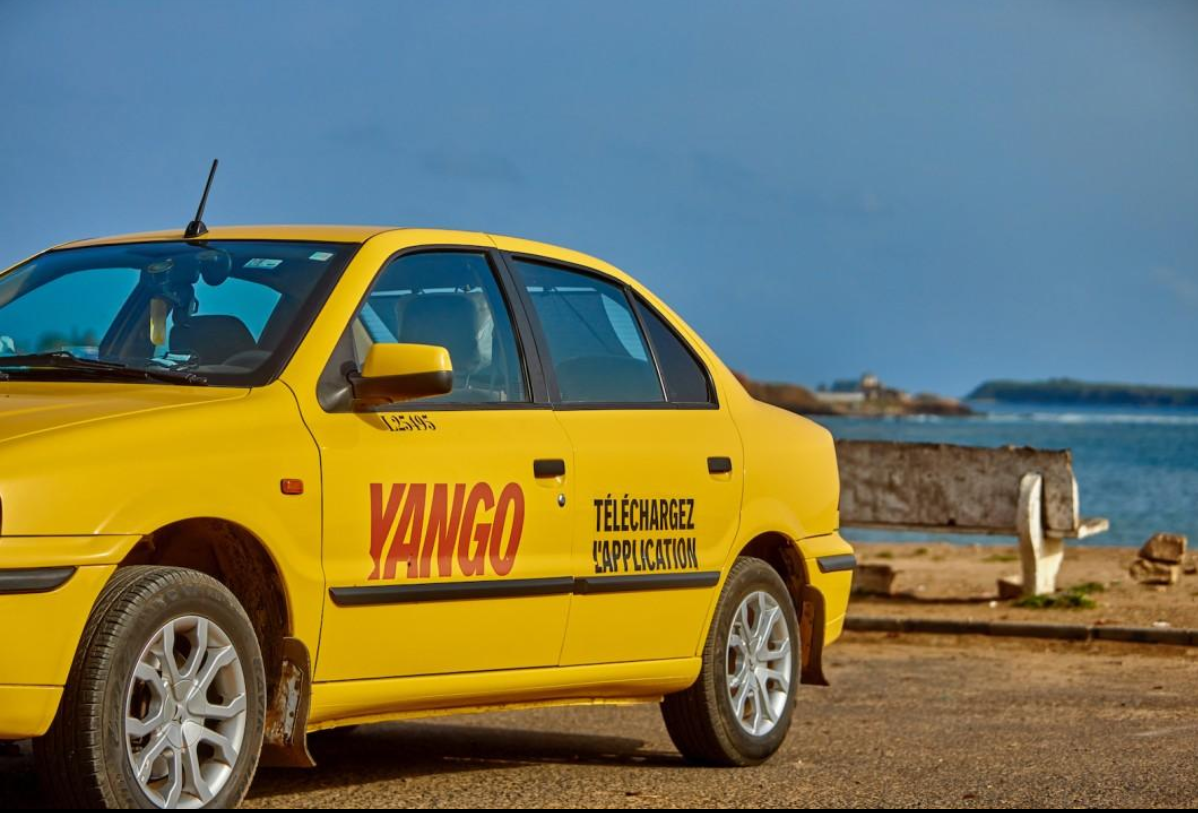
Senegal transport turmoil: how Yango’s alleged driver assaults ignited a safety reckoning for women riders
The Senegalese ride-hailing industry is facing an unprecedented reckoning as shocking accusations emerge against a Yango driver operating in and around Dakar. Multiple women have come forward with allegations of sexual violence, armed robberies, and physical intimidation, forcing a major shift in how passengers view their safety in private transport vehicles.
From ordinary rides to terrifying ordeals: the pattern behind the accusations
Testimonies gathered from affected women reveal a disturbing pattern involving a single driver. What begins as a routine journey through Senegal’s coastal region—often between Mbour and the capital—takes a sudden and unexplained turn. Vehicles deviate from planned routes, heading toward isolated areas under various pretexts.
Several survivors describe the driver locking the car doors and threatening them with a knife. Others report being coerced into unlocking their mobile money accounts—Wave and Orange Money—under duress. The most harrowing accounts include accusations of sexual assault and rape, allegedly committed under the immediate threat of violence.
This unfolding crisis raises urgent questions about passenger safety, driver accountability, and the oversight mechanisms of digital ride-hailing platforms operating in Senegal.
Yango’s delayed response fuels suspicion and calls for accountability
Yango only broke its silence days after the accusations gained widespread attention. In a public statement issued through acting CEO Aïssata Ouane, the company expressed concern and claimed to be cooperating with authorities. However, the company admitted it could not locate any record of the disputed trip in its internal system during initial checks.
This admission has triggered further scrutiny: If the alleged driver was using the platform, why couldn’t the journey be traced? And if he wasn’t, who is responsible for the harm caused to these women? The lack of transparency has deepened public distrust and intensified pressure on the company to provide clear answers.
Consumer confidence shaken: what really happens behind the driver sign-up process?
For many women in Dakar and beyond, ride-hailing apps like Yango offer convenience—especially for nighttime trips or areas underserved by public transport. Features such as real-time tracking, driver ID verification, and route sharing are designed to build trust. Yet recent events have exposed critical gaps in those safeguards.
Key concerns now dominate public discussion:
- How thoroughly are drivers vetted before they are allowed to operate?
- Are criminal background checks conducted in compliance with local regulations?
- What systems are in place to respond when a passenger reports suspicious or dangerous behavior?
- Why do ride-hailing platforms appear to lack reliable monitoring of driver activity and vehicle usage patterns?
These unanswered questions are no longer theoretical. They are matters of personal safety for thousands of women who rely on these services daily.
Civil society demands transparency and systemic reform
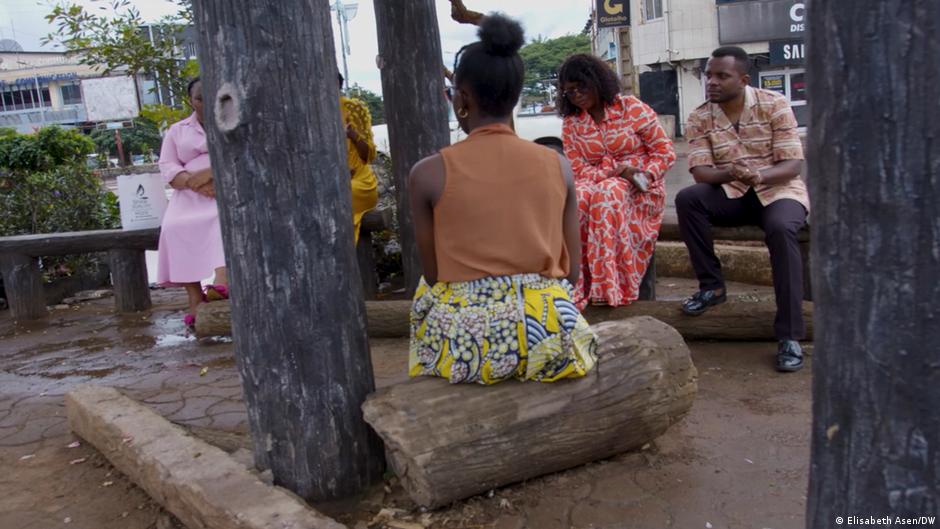
Women’s rights organizations have swiftly responded to the crisis. One prominent collective, WaxJotNa, issued a public statement calling for immediate action:
- A full and impartial investigation into the accusations
- Proper care and support for survivors
- Stricter, standardized driver screening across all ride-hailing platforms
- Stronger regulation of the VTC sector in Senegal to prevent future harm
The movement’s demands reflect broader frustration with the lack of oversight in Senegal’s growing digital transport economy. While innovation has brought convenience, it must not come at the cost of women’s security.
Legal fault lines: can ride-hailing platforms be held responsible?
As investigations unfold, a fundamental legal question arises: To what extent can a platform like Yango be held liable for crimes committed by an individual driver using its service?
The answer depends on several factors—including the company’s contractual obligations, its compliance with local transport laws, and whether any negligence in monitoring or reporting can be established. While it would be premature to assign legal blame before all evidence is reviewed, one truth is undeniable: platforms that profit from connecting passengers to drivers share a moral and social responsibility to ensure those passengers reach their destination safely.
Looking ahead: will this be the turning point for safer transport in Senegal?
This crisis may mark a watershed moment for Senegal’s ride-hailing sector. Technology alone cannot guarantee safety. What’s needed is a robust framework of prevention, real-time monitoring, and swift accountability—not just for drivers, but for the platforms that enable their operations.
For the women who use these services, the stakes are clear: freedom of movement shouldn’t come with fear. The time has come for Senegal’s transport platforms to step up, not just for their customers’ trust—but for their right to travel safely, with dignity, and without violence.