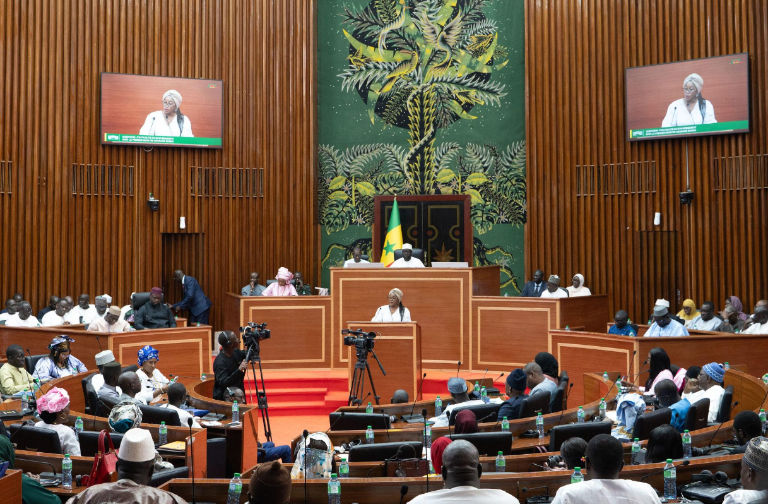
The historic granting of Beninese citizenship to 53 Afro-descendants on October 24, 2026, marks a pivotal moment for the nation’s economic future. While rooted in deep historical reconnection, this unprecedented initiative is poised to unlock transformative opportunities across multiple sectors, from investment and tourism to skill transfer and international trade.
From symbolic gesture to economic catalyst
The recent citizenship drive represents more than just an acknowledgment of shared heritage—it signals Benin’s intention to leverage its diaspora connections as a strategic economic asset. For the first time, the nation is turning a centuries-old connection into measurable progress by positioning its Afro-descendant communities as bridges for capital, knowledge, and global networks.
With the ability to invest directly, establish businesses, or forge partnerships with local enterprises, these newly minted citizens could become key players in Benin’s economic transformation. The success of this approach will hinge on the government’s ability to create an enabling environment that makes relocation, investment, and collaboration attractive and sustainable.
High-potential sectors for diaspora-driven growth
Several industries stand to benefit from this reconnection initiative:
- Renewable energy: Benin’s solar and biomass potential could attract diaspora investment in clean energy projects, reducing reliance on imports and boosting energy security.
- Agriculture and agro-processing: With many new citizens holding agricultural expertise from abroad, partnerships with local farmers could modernize production, increase yields, and expand exports.
- Information technology: The diaspora’s professional networks in tech hubs worldwide could facilitate knowledge transfer, startup investments, and the development of digital infrastructure.
- Cultural heritage tourism: A surge in visitors eager to explore Benin’s historical sites—particularly in Ouidah, Abomey, and Porto-Novo—could revitalize local tourism, creating jobs in hospitality, guiding, and artisan crafts.
Tourism of memory: turning history into revenue
The country’s rich historical landmarks, especially those tied to the transatlantic slave trade, are drawing increasing interest from those seeking ancestral roots. For Afro-descendants reconnecting with their heritage, Benin is no longer just a destination—it’s a place of personal significance. This emotional connection presents a unique opportunity to rebrand the nation as a hub for memory tourism.
Developing curated heritage trails, educational programs, and cultural festivals could attract thousands of visitors annually. The ripple effect on local economies would be significant—hotels, restaurants, tour operators, and local artisans would all stand to gain. However, sustained growth in this sector will require strategic marketing, improved infrastructure, and authentic experiences that resonate with international visitors.
Skill transfer: empowering the next generation
The arrival of 53 new citizens brings more than financial capital—it introduces a wealth of diverse professional expertise. From healthcare professionals and engineers to entrepreneurs and academics, these individuals could play a crucial role in addressing Benin’s skills gap.
Initiatives like mentorship programs, vocational training partnerships, and joint research projects could bridge the divide between local talent and global best practices. Universities and vocational schools could benefit from faculty exchanges, while young Beninese professionals might gain access to international internships and career opportunities through diaspora networks.
Such collaborations could also stimulate innovation in sectors like fintech, renewable energy, and agro-industries, positioning Benin as a competitive player in West Africa’s economic landscape.
Global visibility: strengthening Benin’s international profile
By embracing its Afro-descendant communities, Benin is not only reconnecting with its past—it’s strategically positioning itself on the world stage. This initiative enhances the country’s diplomatic and cultural influence, particularly in nations with large Afro-descendant populations.
Over time, the enhanced visibility could lead to:
- Increased academic and research collaborations
- More international cultural exchanges and festivals
- Streamlined trade agreements and economic partnerships
- Greater participation in global diaspora engagement platforms
The potential for soft power growth is substantial, provided Benin follows through with concrete projects rather than relying solely on symbolic gestures.
From recognition to real impact: what’s next?
While the citizenship drive is a bold step forward, its economic impact won’t materialize automatically. To ensure lasting benefits, Benin must implement targeted policies, including:
- Clear investment incentives for diaspora entrepreneurs
- Streamlined business registration and property ownership processes
- Development of diaspora-focused financial products (e.g., dedicated investment funds)
- Strategic tourism promotion campaigns highlighting Benin’s unique historical narrative
- Partnership programs between foreign-trained professionals and local industries
The government must also prioritize inclusive growth, ensuring that opportunities created by this initiative are accessible to all segments of the population. Only then can the full potential of this historic reconnection be realized as a catalyst for sustainable economic development.
In the end, Benin’s bold move to grant citizenship to 53 Afro-descendants is more than a symbolic act—it’s a calculated strategy to reignite economic momentum, attract global resources, and redefine the nation’s role in the African diaspora’s future.