Breaking point for Niger: the refoundation charter faces its first major test
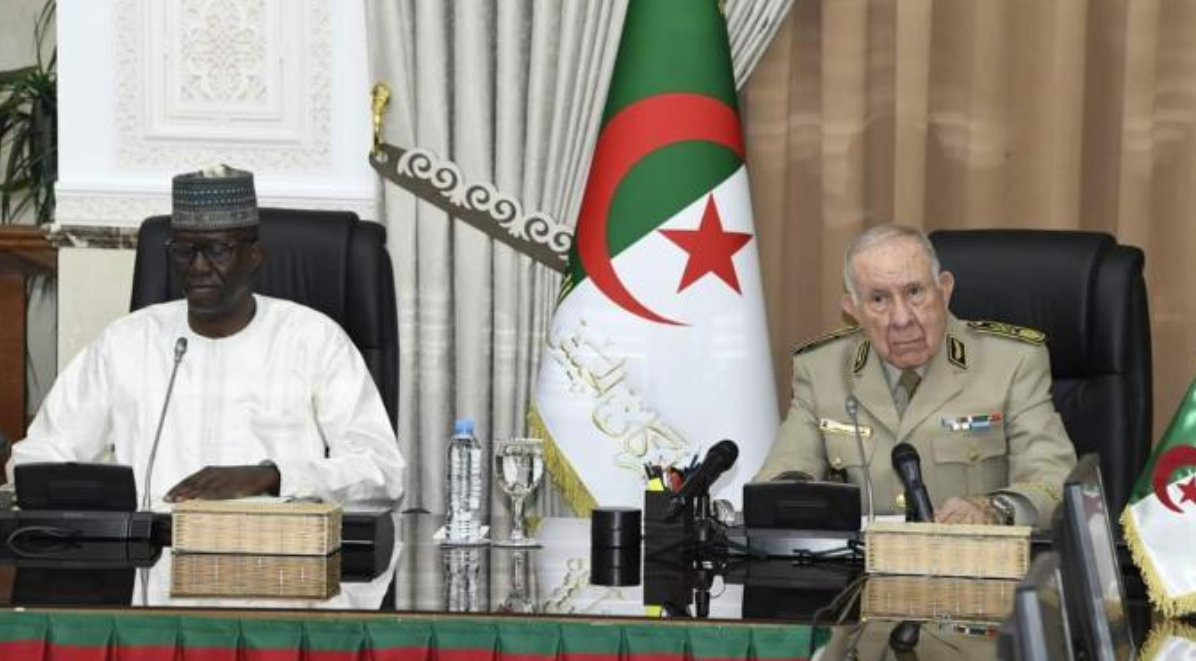
On October 25, 2026, Algeria’s parliament approved the dispatch of troops to Niger—setting the stage for a pivotal moment under the young Republic’s Refoundation Charter. The move tests whether Niamey has upheld its own constitutional rules before welcoming foreign forces onto its soil.
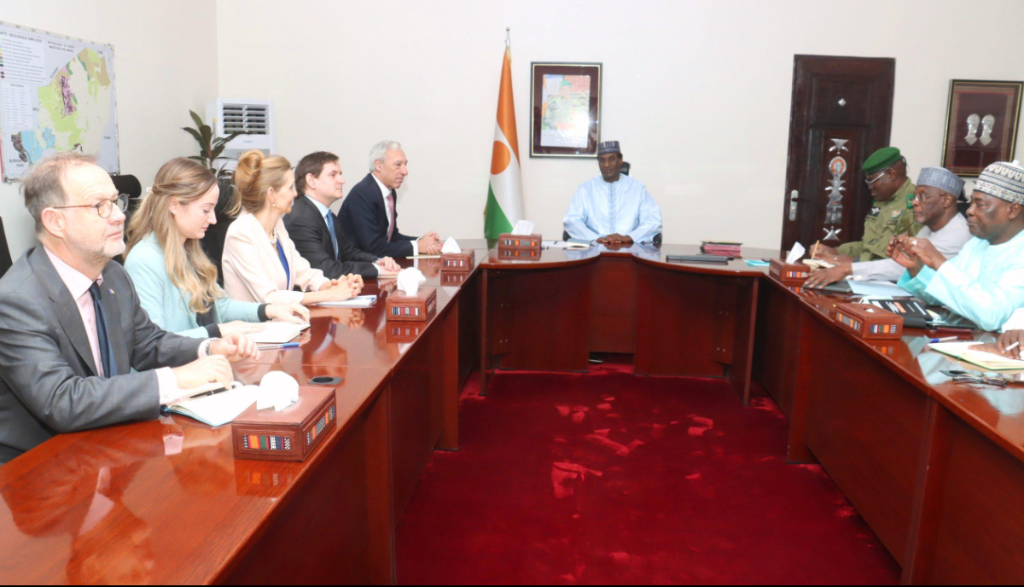
Algeria’s National People’s Army is poised for deployment near Madama in northern Niger, close to the Libyan border. While Algerian authorities have met domestic legislative requirements, the critical question lingering over Niamey is: did the Nigerien government follow its own law by consulting the public—or did it bypass democratic procedure in favor of emergency powers?
What Does the Refoundation Charter Actually Say About Foreign Troops?
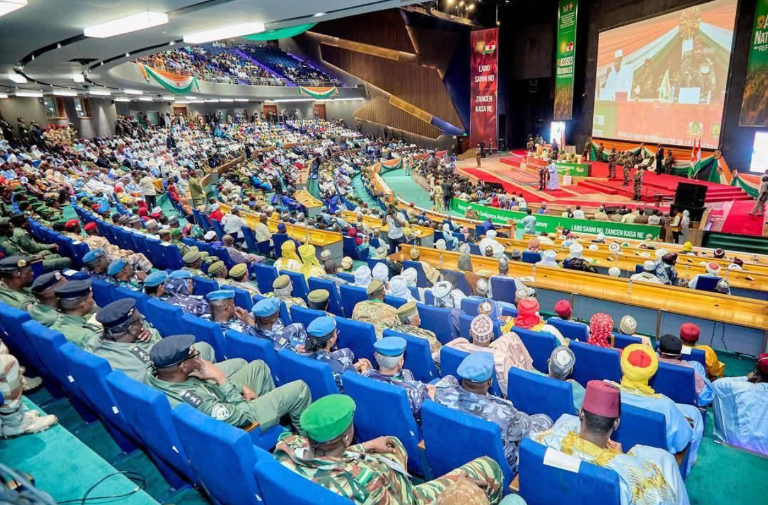
Adopted on March 26, 2025, Niger’s Charte de la Refondation is more than a transitional document—it is the legal foundation governing public authority during the ongoing institutional rebuilding process. In particular, Article 45 defines how foreign military presence is authorized.
Under normal circumstances, the President of Niger—also Commander-in-Chief of the Armed Forces—must secure explicit approval from the sovereign people via referendum before authorizing temporary or permanent foreign military presence.
An emergency clause allows a presidential decree with the prior advice of the Consultative Council of Refoundation—but only for the limited duration required to stabilize the crisis at hand. Any deviation from the referendum path must be strictly justified and time-bound.
The key question now is: did Niamey call a referendum on Algerian troop presence, or did it invoke the emergency clause without clear public evidence?
Where’s the Proof? The Case for Clarity
Despite Algeria’s parliamentary approval, Niger’s own legal process remains opaque. Public records do not confirm a referendum on foreign forces, nor do they demonstrate issuance of a legitimate emergency decree accompanied by Council advice.
This isn’t just a legal technicality—it’s a matter of democratic credibility. The charter doesn’t exist in a vacuum. Since the July 26, 2023 military transition led by General Abdourahamane Tiani, the charter has been elevated to quasi-constitutional status. Its rules on foreign engagements are no longer optional aspirations—they are binding standards.
To be clear: Algeria’s internal approval process does not satisfy Niger’s constitutional requirement. The Nigerien people’s voice must be heard—or at least, their representatives in the Consultative Council must be formally consulted in emergency cases.
Security vs. Sovereignty: Can Both Be Respected?
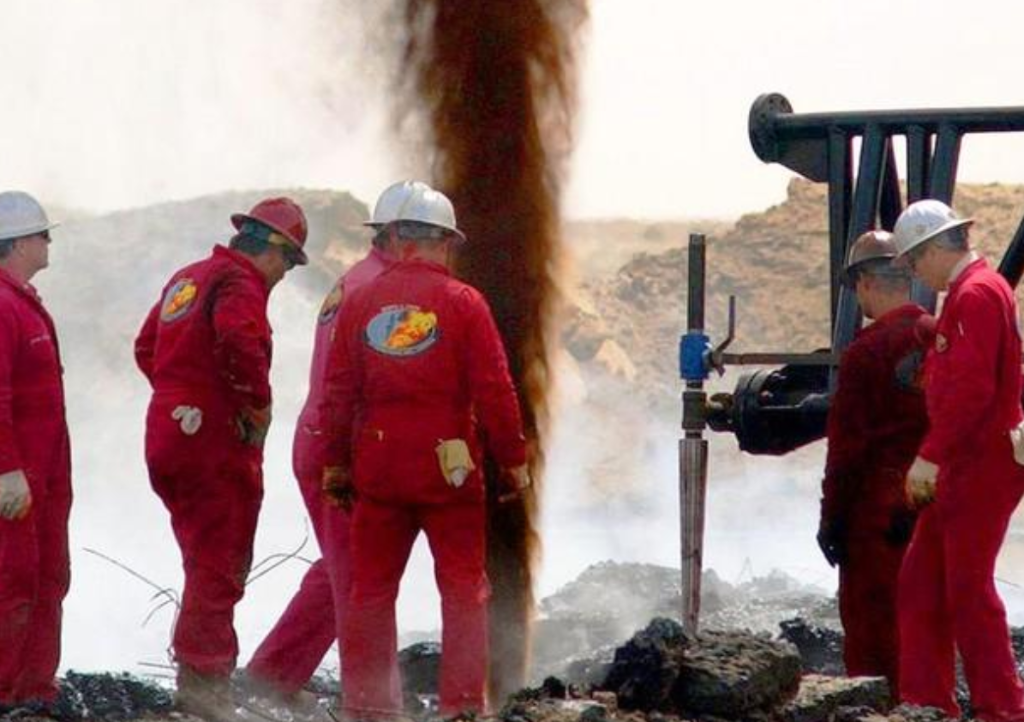
Niger faces persistent threats from armed groups across the Sahel. A strategic partnership with Algeria—neighbor to the north and a major energy producer—could strengthen border surveillance and protect critical infrastructure like oil installations or pipelines.
But sovereignty isn’t only about control of territory. It’s about control of decision-making. When the charter explicitly ties foreign troop presence to public consent, it elevates the people from beneficiaries of security to authors of security policy.
The risk lies in creating dependency. If Algerian forces become indispensable in protecting certain zones or energy assets, Niger may struggle to regain full operational autonomy. Cooperation is welcome—but only if it builds capacity, not control.
Defining the Mission: Clarity Over Ambiguity
What exactly will Algerian troops be doing in northern Niger? Protecting civilians? Securing oil fields? Monitoring borders against armed infiltration? Without transparent objectives, the mission risks expanding beyond its original scope—especially if attacks or reprisals occur.
Public confusion risks public distrust. In a country where national sovereignty is a dominant theme in political discourse, opacity around military cooperation fuels speculation, undermines legitimacy, and can erode public confidence in institutions.
Time for Transparency: What Needs to Be Shown
The authorities in Niamey must now clarify their legal basis for approving Algerian troop presence. They must confirm whether:
- A referendum was held on foreign military presence, or
- A presidential decree was issued under emergency provisions, with formal advice from the Consultative Council, or
- An alternative constitutional mechanism was used—and if so, under what legal justification.
The lack of clarity isn’t just a procedural gap—it’s a democratic deficit. The charter doesn’t just regulate power; it redefines legitimacy. To respect that legacy, the government must present evidence, explain choices, and defend decisions—not in closed chambers, but in the light of public understanding.
The Moment of Truth: Does the Charter Still Matter?
Niger’s refoundation is not just about rebuilding buildings or restoring institutions—it’s about rebuilding trust. The arrival of foreign troops, however strategically sound, cannot bypass the people whose future is being secured—or compromised—by that very presence.
The charter places a moral and legal burden on leaders: to govern not only with power, but with consent. If emergency exceptions become the rule, the charter’s safeguards erode. If referendums become optional, the charter’s promise withers.
This is Niger’s turning point. The world sees cooperation with Algeria. But the people of Niger are watching to see whether their voice was heard before their land was shared.