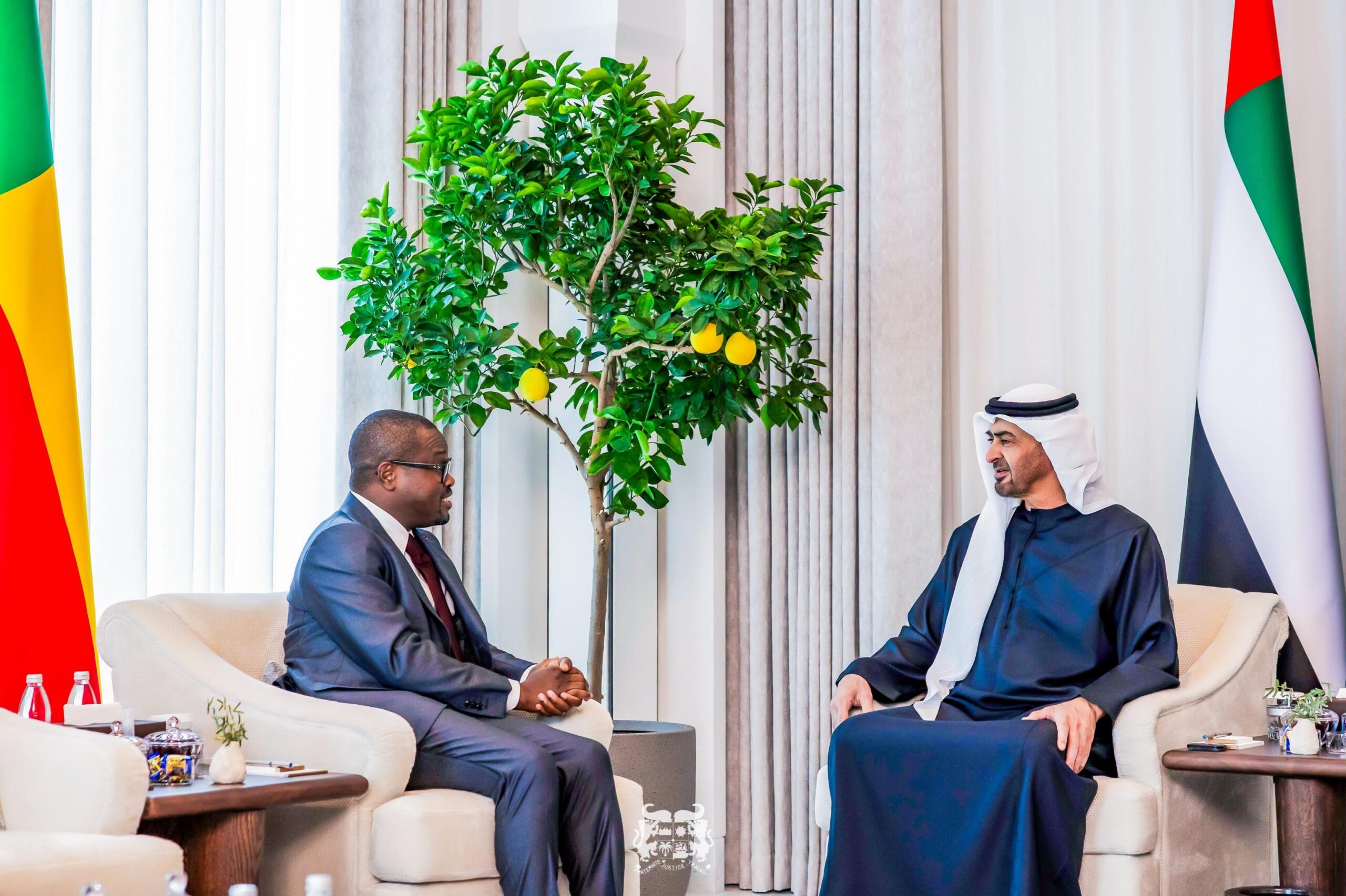
In a defining breakthrough for bilateral relations, Benin and the United Arab Emirates have sealed a historic Comprehensive Economic Partnership Agreement (CEPA) during a high-level visit to Abu Dhabi. The landmark treaty is set to transform trade flows, slash tariffs, and unlock unprecedented investment opportunities for businesses in both nations.
Breaking ground: what the Benin-UAE CEPA delivers
The agreement — signed at the heart of the Gulf’s economic hub — establishes a robust framework to dismantle trade barriers, foster industrial collaboration, and create new pathways for cross-border commerce.
- Tariff rollback: Customs duties are being phased out or immediately removed on a wide range of goods, from agricultural produce to industrial and manufactured products. This will ease access for Beninese exporters into the Gulf market and vice versa.
- Service sector expansion: Service providers, tech startups, and investors from both countries will benefit from streamlined market access rules and stronger legal safeguards.
- Strategic cooperation pillars: Alongside the main trade deal, several side agreements have been finalized, focusing on renewable energy, agro-processing, data hosting, digital innovation, food security, and cross-governmental knowledge exchange.
Why this trade pact matters now
This CEPA doesn’t emerge from a vacuum — it accelerates a rapid rise in non-oil trade that has reshaped economic ties between the two nations in recent years.
Official figures show non-oil trade surged from $1.01 billion in 2021 to $2.15 billion in 2025 — a 65% jump in just four years. Momentum continued in early 2026, with trade volume reaching $1.29 billion in the first half of the year, a 37.4% rise compared to the same period in 2025. The explosive growth made a formal trade framework not just useful, but essential.
What Benin and the uae gain from this partnership
For Benin, this agreement is the next leap in its economic modernization drive, building on recent upgrades to the Port of Cotonou and the development of the Glo-Djigbé Special Economic Zone. Key benefits include:
- Broader diversification of trade partners, reducing reliance on traditional European and regional trade corridors.
- Attraction of high-value UAE foreign direct investment into critical infrastructure projects.
- Strengthening Benin’s role as a key logistics gateway for Gulf-based firms seeking entry into West Africa.
For the UAE, the CEPA reinforces its broader strategy to deepen economic influence across Africa. It secures steady agricultural supply lines, opens new avenues for sustainable infrastructure investment, and positions the Emirates as a pivotal player in West African trade networks.
From signing to implementation: what happens next
While the agreement marks the end of negotiations, its full impact hinges on constitutional ratification by both countries’ legislative bodies. Once approved, customs exemptions and investment incentives will activate, giving businesses immediate access to the new trade and cooperation framework.