After 18 months in captivity, a long-awaited turning point
The nightmare is finally over. Two European women held hostage in northern Niger for more than a year and a half have been freed and transferred to Benghazi, Libya, marking a significant shift in a crisis that had seen no progress for months. The release of Eva Gretzmacher from Austria and Claudia Abbt from Switzerland on October 21, 2025, has brought a wave of relief to their families and governments, while raising critical questions about the role of Libyan mediators in resolving one of the Sahel’s most volatile kidnapping cases.
A timeline of two separate kidnappings in Agadez
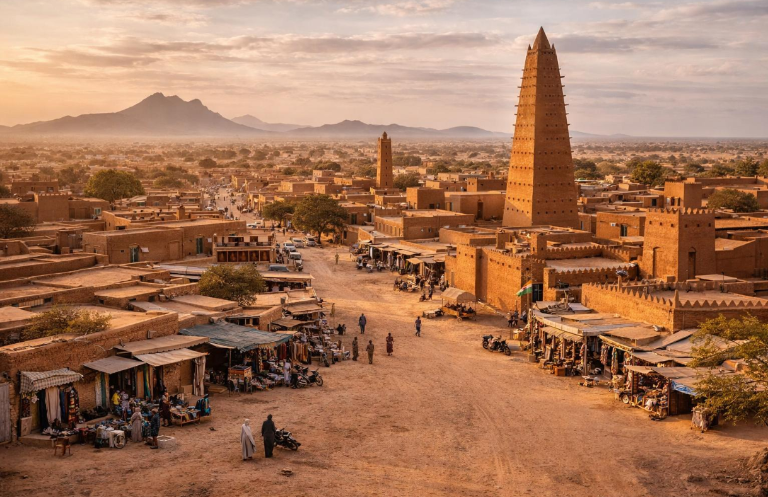
Eva Gretzmacher was taken from Agadez, a strategic city in northern Niger, in January 2025 during a period of escalating insecurity. Known in the region for her professional activities, she became one of the first foreign victims of a kidnapping wave that would later engulf other Westerners in the area. A few months later, in April 2025, Claudia Abbt suffered the same fate in the same city. The proximity of the two incidents underscored growing concerns about the ability of armed groups to strike even in urban centers long considered relatively safer.
While initial reports suggested possible ties to the Islamic State in the Sahel, definitive evidence remains elusive. Investigations into the captives’ conditions and the identities of their captors have been hampered by the remoteness of the region and the fluid nature of militant movements across the Sahara.
The Libyan connection: How Haftar’s networks may have unlocked the case
What makes this liberation particularly noteworthy is the path the hostages followed to freedom. Both women were taken to Benghazi, a key stronghold of Libyan military leader Khalifa Haftar. Numerous accounts point to the involvement of figures within Haftar’s inner circle, including his son, Saddam Haftar, in brokering the deal. While the exact terms of the mediation remain undisclosed, the operation highlights the complex web of cross-border political, military, and security networks that have come to define crisis resolution in the Sahel.
For Haftar’s forces, this intervention may serve as a strategic move to demonstrate their capacity for regional influence, potentially opening doors to future negotiations with European governments. Yet, without transparent details, it is impossible to confirm whether this was a humanitarian gesture, a calculated diplomatic maneuver, or something more transactional.
The harsh reality: Niger’s enduring security crisis
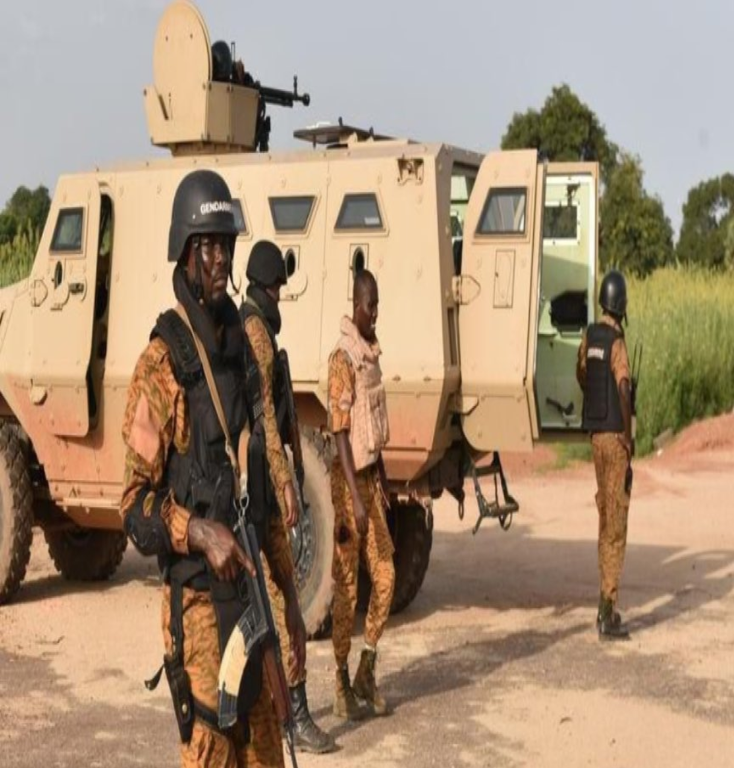
The liberation of Gretzmacher and Abbt offers a fleeting moment of hope in a country grappling with persistent jihadist violence. Northern Niger, particularly Agadez, remains a hotspot where armed groups exploit vast, lawless expanses to launch attacks and execute kidnappings. The region’s geographic challenges—its vast deserts, porous borders, and limited state presence—have made it a haven for militant activity and a nightmare for security forces attempting to contain it.
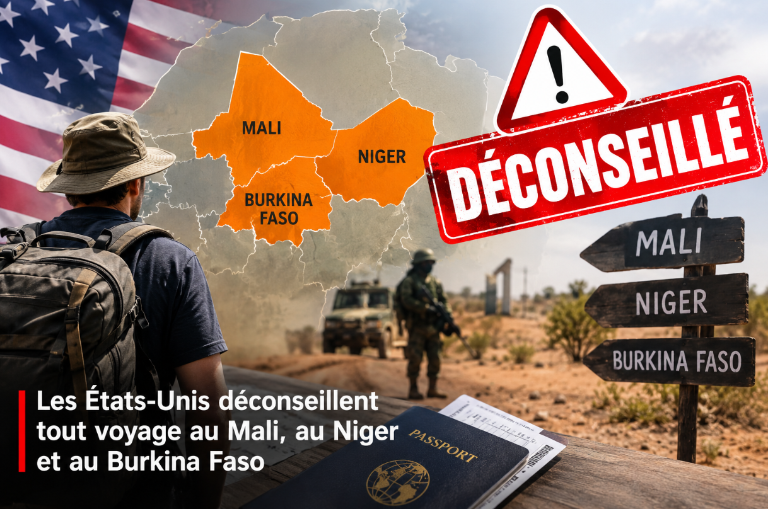
Official travel advisories from multiple Western governments reflect this reality. Recommendations issued by several European capitals continue to warn citizens against traveling to Niger, citing terrorism and kidnapping risks as primary concerns. The United States has also elevated its travel alert to the highest tier, underscoring the gravity of the situation.
These warnings are not mere bureaucratic formality. They reflect the stark truth that foreign nationals in Niger, especially in northern regions, face grave and ever-present dangers. Preventing future abductions remains an uphill battle for both local authorities and international partners.
The path forward: Questions without answers
The return of the two hostages to Benghazi represents a crucial milestone, yet the journey to complete their safe passage home is far from over. European authorities must now facilitate their repatriation while ensuring their physical and psychological recovery after enduring such a prolonged ordeal.
Critical questions linger. Who held Gretzmacher and Abbt for all this time? What role did Libyan actors play in their release? Were there financial or political concessions made in exchange for their freedom? With no official disclosures, these answers remain shrouded in uncertainty. One thing is clear: in a region where borders are porous and threats are transnational, hostage situations often hinge on intricate, behind-the-scenes negotiations that defy easy explanation.
For now, the families and governments involved can breathe a sigh of relief. But for the Sahel, the underlying crisis persists. Until the root causes of kidnapping and extremism are addressed, cases like this will continue to test the limits of international cooperation and local resilience.