Agadez-Arlit highway faces unprecedented security crisis after violent attack
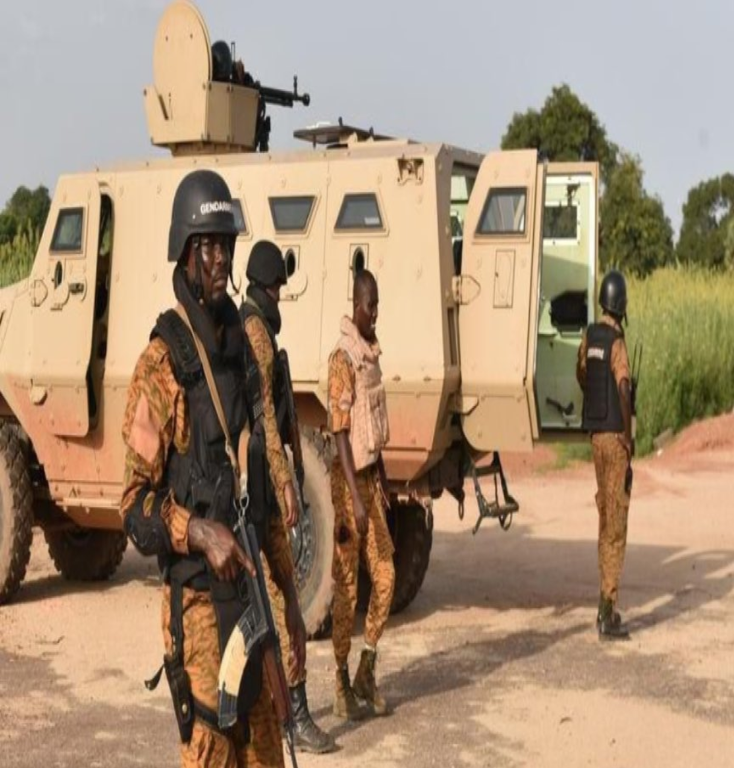
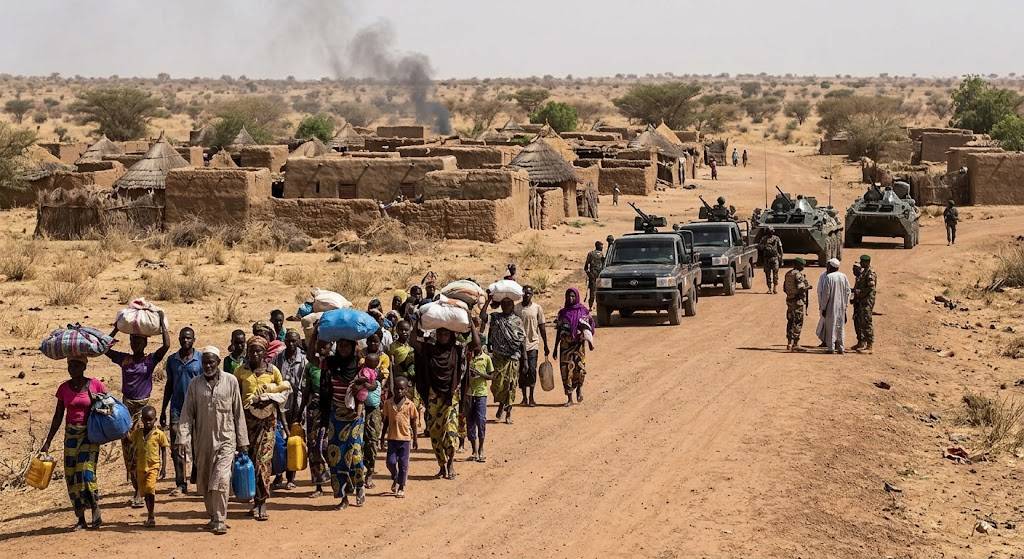
The quiet asphalt of the Agadez-Arlit road, a lifeline threading through Niger’s northern expanse, turned into a battleground on October 20, 2026. A sustained armed assault on civilian transport buses left at least eleven people dead—ten passengers and one member of the defense and security forces—along with numerous critically injured. The violence erupted near the 35-kilometer mark from Agadez, a region already on high alert due to recurring militant activity.
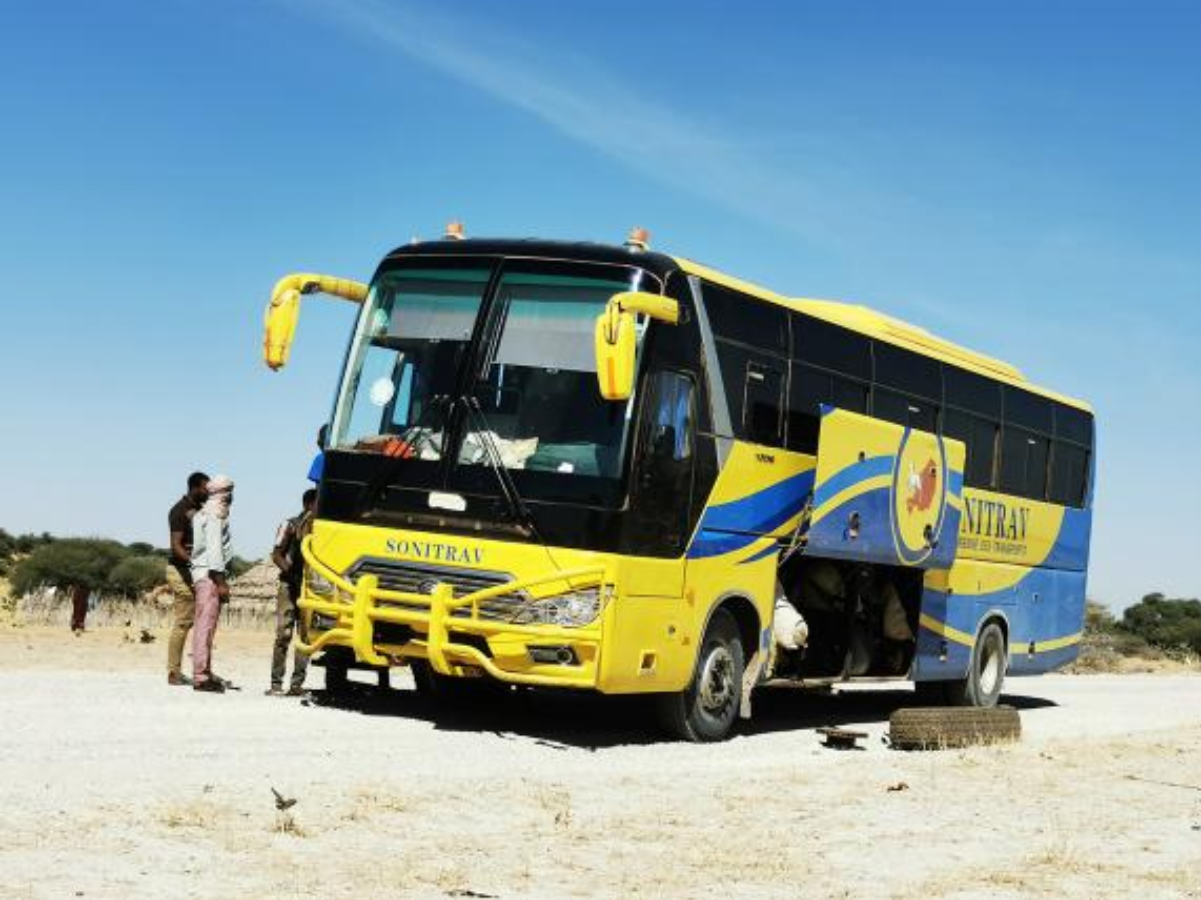
Witness accounts describe a coordinated ambush involving three armed vehicles targeting a convoy of passenger buses. The confrontation escalated into intense gunfire, with security personnel onboard one bus responding in defense. While official confirmation is pending, provisional reports paint a picture of chaos and loss, with victims ranging from traders to families heading home.
The attack comes at a pivotal moment for Niger’s northern corridors. The Agadez-Arlit highway is not merely a road—it is a backbone for commerce, mobility, and social connection in a region where distances are measured in days and alternatives are scarce. When such an artery of life becomes a frontline of violence, the ripple effects extend far beyond the immediate victims.
Why the Agadez-Arlit road is a flashpoint in Niger’s security struggle
The Agadez-Arlit route connects two of Niger’s most economically vital cities. Agadez, a historic Saharan crossroads, thrives on trade and trans-Saharan heritage, while Arlit serves as a central hub for mining and regional commerce. This corridor is indispensable for transporting everything from food and fuel to medical supplies and minerals.
Yet its strategic importance makes it a prime target. With vast, sparsely populated desert expanses and rugged secondary routes, the highway is difficult to patrol effectively. The presence of security forces onboard buses during the attack—though still under verification—highlights both the vulnerability of civilians and the reactive nature of current protection measures.
For local families, the road is more than infrastructure—it is a lifeline. Students commuting to school, workers returning to their jobs, traders transporting goods, and relatives visiting loved ones all depend on safe passage. A single violent incident can shatter confidence, pushing travelers toward costly and time-consuming alternatives or forcing them to abandon journeys altogether.
When a bus is targeted, the impact is collective: passengers live in fear, transport operators face financial losses, and communities grow wary of engagement beyond immediate surroundings. In a land where every kilometer is a calculation of risk and reward, uncertainty on the Agadez-Arlit road doesn’t just slow commerce—it erodes hope.
From tragedy to turning point: demands for action grow louder
This latest assault has pushed Niger’s security dilemma into the national spotlight. Authorities now face mounting pressure to secure not only major arteries like the Agadez-Arlit road but also the countless feeder routes that crisscross the desert. The challenge is daunting: vast territories, limited visibility, and the ever-present threat of militant movement.
The provisional involvement of defense forces in the ambush response raises critical questions. Was their presence announced? Were passengers informed? How quickly were medical evacuations coordinated? Establishing a clear timeline and verifying roles is essential to prevent future missteps and restore public trust. A robust, transparent response—grounded in verified facts—is not optional; it is a prerequisite for rebuilding confidence.
Equally urgent is the need for reliable communication. In the wake of violence, unverified reports and graphic images can deepen distress. Authorities must prioritize verified updates, prioritize victim support, and ensure families receive dignified, accurate information. Only then can the cycle of fear and misinformation begin to break.
This is not just a security crisis—it is a test of governance. Can Niger protect its people where they live, work, and travel? Can communities trust their leaders to act decisively? The Agadez-Arlit ambush isn’t just another tragic headline; it is a turning point demanding immediate, strategic, and compassionate action.
Voices unheard: the human cost behind the headlines
Behind every statistic is a story of lost life, shattered families, and dreams deferred. Ten passengers—mothers, fathers, students, entrepreneurs—set out on a journey they believed was safe. They never reached their destination. Their loved ones now wait for answers: how did this happen? Why were they targeted? What will change so this doesn’t happen again?
Among the wounded, some fight for survival in under-resourced medical facilities. The emotional toll is immeasurable. Spouses, children, and parents face not only grief but uncertainty about the future. Trust in travel has eroded. The simple act of boarding a bus now carries the weight of fear.
In Arlit and Agadez, the shock is palpable. Miners, shopkeepers, and students share not just grief but frustration. How long must they live with this shadow of insecurity? When will their roads be safe again? For many, the only alternative is retreat—staying home, avoiding journeys, and watching opportunities fade.
This attack is not just an event—it is a turning point for a nation on edge. It demands not only investigation but transformation. A road that once symbolized connection must not become a memorial to loss. The time for real change is now.
What comes next: accountability, safety, and a new path forward
As investigations unfold, Niger stands at a crossroads. Will this tragedy serve as a catalyst for systemic improvement, or will it be remembered only as another statistic in an endless cycle of violence?
Accountability begins with clarity. The identity of the attackers, whether lone militants or part of a larger network, must be established. The chain of command—both among assailants and responders—must be traced. And the families of victims must receive not just closure, but support: financial, psychological, and social.
On the operational side, securing the Agadez-Arlit road requires more than patrols. It demands intelligence sharing between regional forces, investment in surveillance technology for remote stretches, and community-based early warning systems. But it also requires political will—sustained funding, inter-agency coordination, and a refusal to normalize insecurity.
Above all, Niger must restore hope. Travelers should not have to choose between their livelihoods and their lives. Families should not fear every departure. The road to Arlit must not become a path to peril. This turning point must lead to meaningful change—before more lives are lost and more dreams are deferred.