From black gold to blackouts: Niger’s paradoxical fuel crisis deepens
The transition government in Niger has crossed a critical threshold by banning all protests related to oil management under the guise of ‘public safety.’ This decisive move comes as the country—blessed with substantial oil reserves—faces an unprecedented fuel shortage crisis, paralyzing Niamey and exposing systemic failures in its energy sector.
Breaking point: when Niger’s oil wealth becomes a curse
The protest ban, enforced by the Interior Ministry under General Mohamed Toumba, targets a planned march and sit-in by the Citizen Collective for National Salvation. The group aimed to demand transparency in the exploitation of the Agadem oil fields and accountability for petroleum revenue allocations. Yet the authorities, treating oil as a state secret, have chosen repression over dialogue, raising serious questions about their commitment to democratic governance.
The timing of this crackdown is particularly striking. As fuel queues stretch for kilometers across Niamey, it becomes increasingly clear that Niger’s oil boom has failed to translate into energy security for its citizens. Instead of prosperity, the nation is grappling with shortages, inefficiency, and a governance vacuum that threatens both economic stability and public trust.
The anatomy of a failing system: why Niger’s oil sector is on the brink
Behind the crisis lies a web of structural weaknesses and misguided policies that have crippled Niger’s oil sector despite its vast potential:
- Outdated and overburdened refining capacity: The Zinder refinery (SORAZ) operates with insufficient production capabilities and frequent mechanical failures. Unable to meet domestic demand for petrol and diesel, the facility forces the National Petroleum Products Company (SONIDEP) into costly and unreliable import dependencies.
- The collapse of informal fuel supply: For years, informal cross-border trade with Nigeria provided affordable fuel to Niger despite national production shortfalls. The abrupt removal of Nigerian fuel subsidies disrupted this lifeline, exposing Niger’s fragile supply chain and raising fuel prices beyond reach for many households.
- Decaying infrastructure and logistical paralysis: Transporting fuel from Zinder to urban centers relies on a shrinking fleet of aging tanker trucks navigating crumbling roads—both conditions worsening under decades of underinvestment.
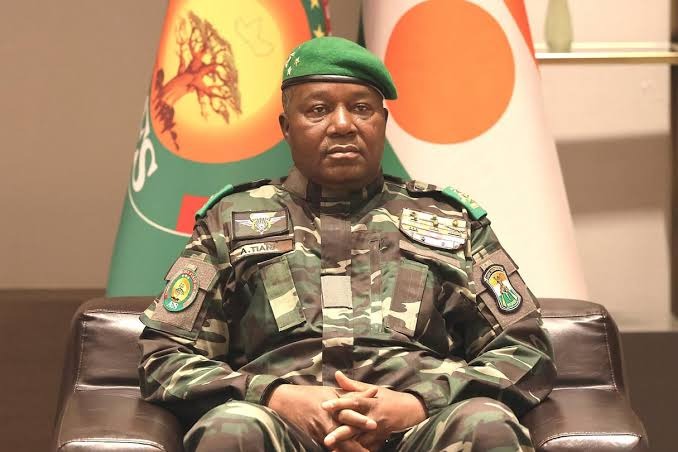
- Administrative chaos and leadership instability: Internal turmoil at SONIDEP, highlighted by the sudden dismissal of the former CEO by General Abdourahamane Tiani, underscores deep governance failures. The move reflects not just personnel instability but broader uncertainty over oil revenue transparency and fiscal responsibility.
- Geopolitical fallout and financial blockades: Diplomatic strains with neighboring countries and disputes over the Agadem-Sèmè-Kpodji pipeline have further delayed revenue realization, leaving the state unable to capitalize on its resources.
Emergency measures or signs of deeper distress?
Faced with growing public frustration, the government has responded with restrictive, short-term measures rather than structural reforms:
- Curfew on fuel sales: Since October 19, public fuel sales have been banned between 9:00 PM and 6:00 AM, with sales in jerrycans also prohibited—ostensibly to curb smuggling, though critics argue it punishes citizens struggling to access limited supplies during daylight hours.
- Ban on fuel exports: Introduced on October 12, this decision aims to prioritize domestic supply but reflects a reactive, crisis-driven approach rather than long-term planning.
These measures, while intended to stabilize the market, do little to address the root causes of the crisis. Instead, they signal a government more focused on containment than correction, prioritizing control over collaboration.
From oppression to opportunity: the turning point Niger cannot ignore
Niger stands at a historic crossroads. With oil reserves estimated at over 3 billion barrels and a global push for energy transition, the country has a unique chance to harness its resources for national development. Yet that potential remains untapped—buried under inefficiency, secrecy, and authoritarian responses to legitimate demands.
The protest ban and escalating shortages are not just symptoms of a failing energy system—they are urgent wake-up calls. For Niger to break free from this paradox, it must embrace transparency, invest in infrastructure, and empower its people to shape energy policies that serve the public good, not just political interests.
The question is no longer whether the oil wealth will reach the people of Niger. It is whether the leadership will finally act to make it happen—or double down on a cycle of crisis and control.