Where Benin’s $730 million AIIB pipeline stands after the deal
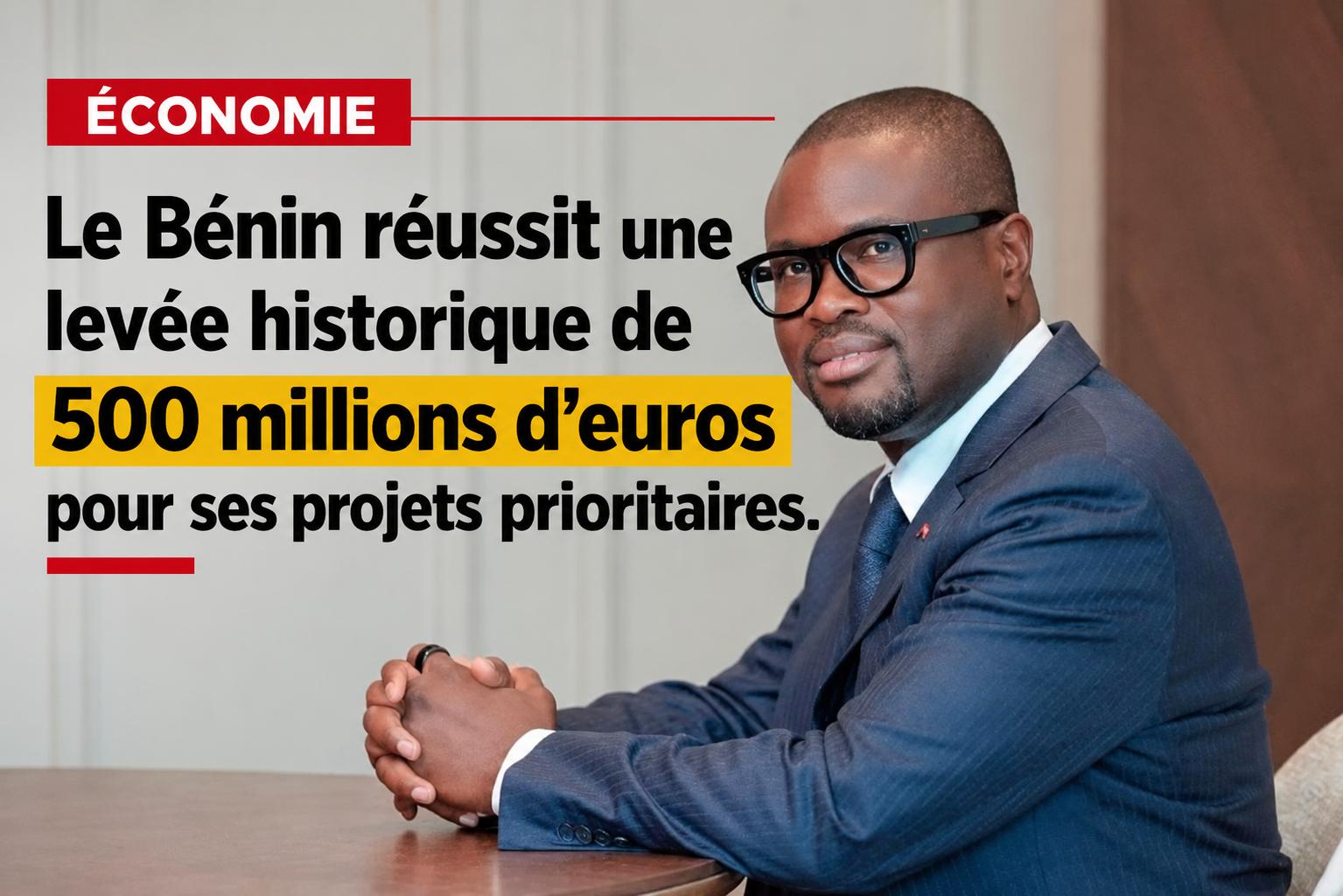
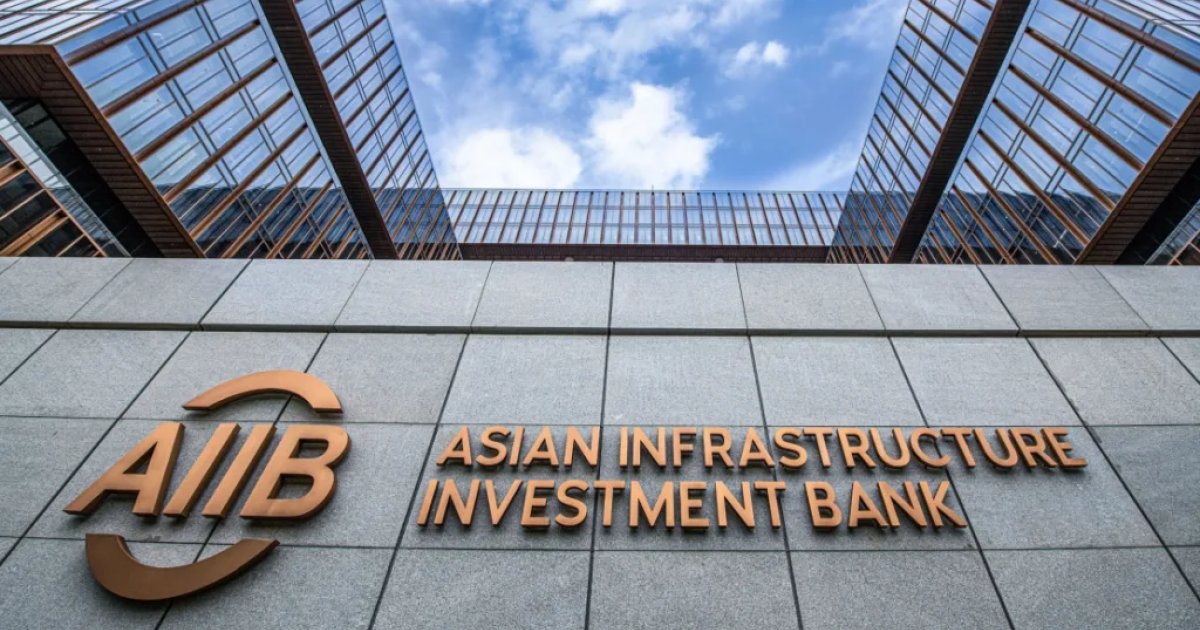
The Benin government has locked in a $730 million indicative investment pipeline with the Asian Infrastructure Investment Bank (AIIB) for 2027-2028, but the public reaction and policy implications are only beginning to take shape. While the framework outlines potential funding for energy, transport and climate resilience, critics and analysts are already questioning what tangible outcomes citizens and businesses can expect by the end of the decade.
What the AIIB pipeline really commits — and what it doesn’t
The framework agreement signed on 24 September is not a disbursement blueprint. Instead, it sets the stage for future projects that still need to undergo standard AIIB approval processes, including technical preparation, financial due diligence and board endorsement. This means the $730 million figure remains aspirational until specific projects are formally proposed, vetted and approved.
Public funds focus: $250 million tied to policy reforms
Of the total, $250 million is earmarked for public policy financing, aimed at supporting the Vision Bénin 2060 agenda. The funds will be deployed through AIIB instruments aligned with energy access, food security, economic resilience and climate adaptation. But how these reforms translate into visible improvements — such as stable electricity, better roads or improved agriculture — remains a subject of public scrutiny and debate.
Cotonou’s first multi-year AIIB pipeline in Africa
The agreement is framed by the AIIB as its first multi-year investment pipeline in Africa, signaling a deeper strategic partnership with Cotonou. This follows an earlier infrastructure commitment in December 2025, when the AIIB approved a $200 million loan for the Grand Nokoué Urban Mobility Project, part of a broader $500 million urban transport program co-financed with other partners.
Next steps: from pipeline to project pipeline
The real test lies ahead. The AIIB and Beninese authorities now face the challenge of turning this framework into bankable projects that meet both international standards and local priorities. With the 2028 horizon approaching, the pace of project development, tendering and implementation will determine whether the $730 million pipeline delivers on its promises — or remains a distant policy aspiration.
Public scepticism and the road to credibility
Public debate is intensifying over whether such large-scale financing can translate into real improvements in daily life. Concerns centre on transparency, project selection and the pace of execution. Without clear milestones and regular updates, the AIIB-Benin partnership risks fueling scepticism rather than confidence — not just among citizens, but among potential private investors looking for signs of stability and progress.