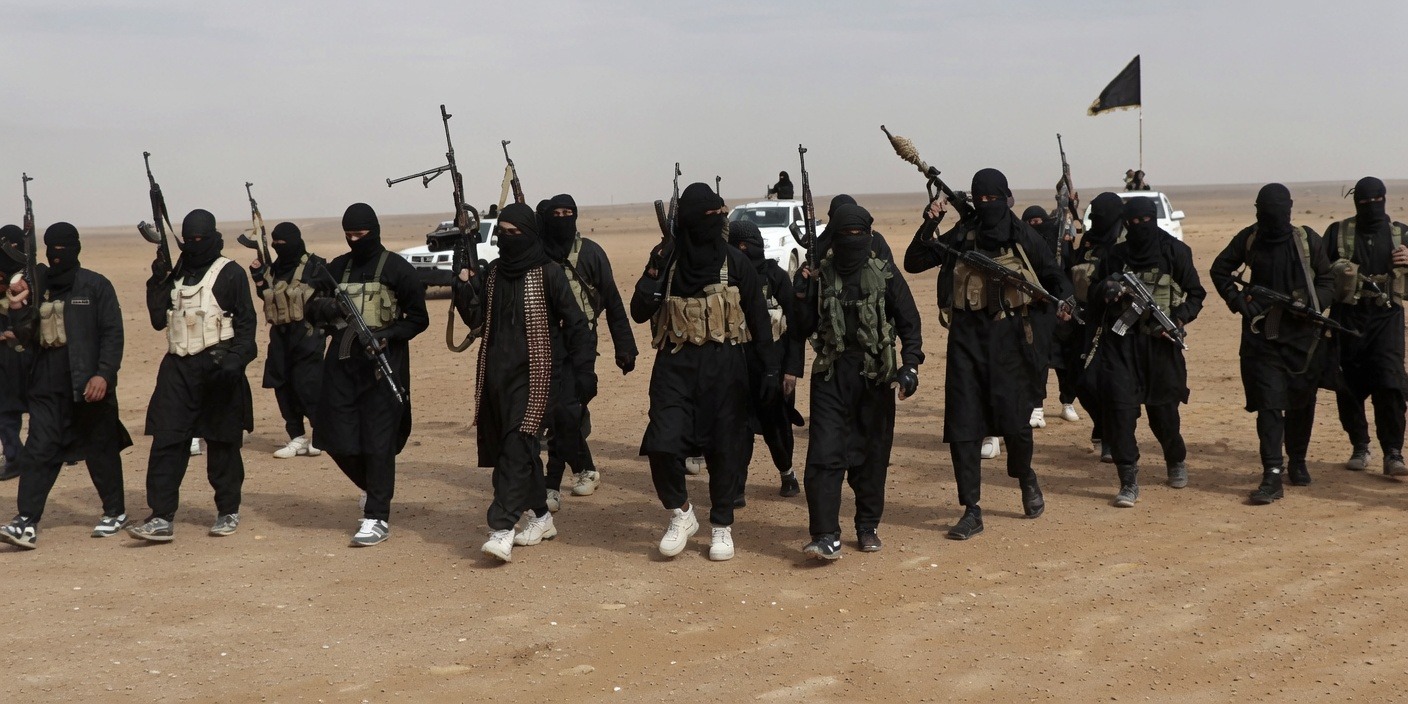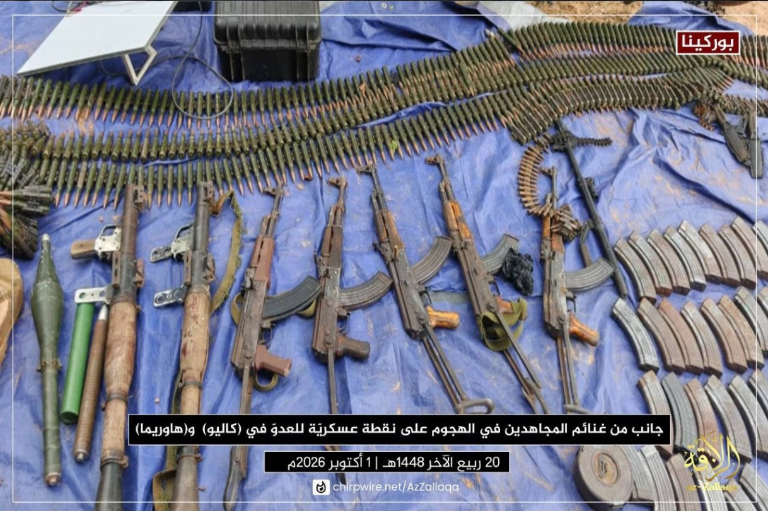
The jihadist attacks that struck Burkina Faso on Saturday, September 26, have now been claimed by the Group for the Support of Islam and Muslims (JNIM), and the fallout is spreading far beyond the battlefield. In the eastern Koulpélogo province, a Burkinabè soldier was killed when fighters stormed a military position at Lalgaye. Around the northern city of Ouahigouya, coordinated incursions destroyed heavy equipment, including at least one light armored vehicle. The public claim, issued on Thursday, October 1, has ignited discussion across the country about the security forces’ capacity and the direction of the war.
The claim lands: a public debate takes shape
By publicly acknowledging the Lalgaye and Ouahigouya operations, the JNIM has turned a pair of military setbacks into a national conversation. The announcement, broadcast through the group’s propaganda channels, was presented as proof of continued reach — a message clearly aimed at undermining confidence in the transition authorities. In the days since, the question on many lips is whether the security apparatus can adapt quickly enough to contain the pressure.
Lalgaye: the anatomy of a raid on a military post
In Koulpélogo province, in the Centre-Est region, the violence flared sharply on Saturday, September 26. The commune of Lalgaye, about 20 kilometers from Ouargaye, became the target of a violent assault on a Burkinabè army checkpoint.
According to information gathered on the ground and the official communication released on Wednesday, October 1, through JNIM propaganda channels — the Sahelian branch of Al-Qaeda — a group of heavily armed assailants rushed the installations. The defense forces returned fire fiercely, but the attackers’ numerical superiority and the element of surprise allowed them to breach the compound.
The human toll: one soldier killed in combat. Before pulling back toward the surrounding wooded areas, the assailants looted the post, making off with a substantial quantity of small arms, ammunition and individual equipment. This method of operation, now recurrent in the region, is designed not only to weaken local security coverage but also to supply terrorist columns with military logistics.
Coordinated pressure in the north: Ouahigouya under strain
At the very moment the Centre-Est was under attack, the country’s north was facing similar offensive pushes. In the Nord region, around the strategic city of Ouahigouya — capital of both the region and Yatenga province — two positions held by the army and its civilian auxiliaries came under fire from armed fighters.
While the human toll of these northern incursions remains partial, the material losses are confirmed: at least one light armored military vehicle was destroyed by a heavy weapon round or an improvised explosive device (IED). The spatial and temporal coordination of these strikes — carried out the same day, several hundred kilometers apart — points to an operational planning capacity still intact within the terrorist coalition.
Harassment and resupply: the tactic behind the attacks
The assault on Lalgaye fits into a particularly complex security context in Koulpélogo. This province, which borders Togo and Ghana, is a strategic corridor for the JNIM, which seeks to establish transit zones and rear bases between Burkina Faso’s Est region and the Gulf of Guinea countries.
For specialists of the Sahel conflict, storming isolated posts is part of a tactical harassment strategy. By multiplying targeted raids against small detachments, jihadist groups pursue a threefold objective:
- Material attrition: Capturing weapons, vehicles and communications equipment without depending on heavy external logistics flows.
- Territorial isolation: Forcing government forces to withdraw toward major urban centers (Tenkodogo or Ouargaye for the Centre-Est, Ouahigouya for the Nord), thereby creating security “black holes” in rural areas.
- Psychological warfare: Using delayed claims — such as the one published on October 1 — to sustain a permanent sense of insecurity and contradict the official communication of the transition authorities.
How the defense and security forces are responding
Faced with this renewed tension, the Burkinabè Armed Forces (FAB) and the Volunteers for the Defense of the Homeland (VDP) immediately launched search and pursuit operations. Air assets were deployed in the Koulpélogo region and the Yatenga sector to track fleeing enemy columns.
In Ouagadougou, the transition authorities regularly reaffirm their determination to continue reconquering the territory. Yet these recent events underline the logistical and human challenges facing units deployed in the field, often confronted with asymmetric attacks and the massive use of explosive devices on road axes.
Local populations in the Lalgaye area, meanwhile, live under the threat of repeated incursions. As security operations continue in Koulpélogo, the tribute paid by the armed forces is a reminder of the harshness of the daily fight to restore Burkina Faso’s territorial integrity.
What comes next: scenarios and stakes
The immediate outlook hinges on whether the security forces can translate their air and ground response into lasting gains. Several dynamics will shape the coming weeks.
Pressure on isolated positions
If the JNIM maintains its harassment campaign, more small detachments could find themselves exposed, forcing commanders to choose between holding ground and consolidating forces.
The battle for public confidence
Each new claim tests the credibility of official messaging. The authorities’ ability to demonstrate tangible results — rather than simply announcing operations — will be central to sustaining public support.
Regional spillover
With Koulpélogo serving as a transit corridor toward Togo and Ghana, the fallout from these attacks may extend beyond Burkina Faso’s borders, raising the stakes for neighboring states and regional cooperation.
For now, the debate sparked by the Lalgaye and Ouahigouya attacks is unlikely to fade. The coming weeks will reveal whether this moment marks a turning point in the conflict — or simply another chapter in a grinding war of attrition.