In a landmark moment for Africa’s technological future, Benin has been named as the inaugural pilot country for a groundbreaking international initiative dedicated to artificial intelligence (AI). The announcement, made during the 2026 China-Africa Education Innovation and Development Forum in Wuhan, China, signals a decisive shift in Benin’s digital transformation strategy and positions the nation as a model for youth empowerment through AI education.
From recognition to action: Benin’s AI breakthrough
The decision to designate Benin as the flagship pilot country for this AI initiative underscores the government’s commitment to positioning its youth at the forefront of the fourth industrial revolution. With support from UNESCO, the program aims to equip the next generation with the digital skills required to thrive in an increasingly technology-driven world.
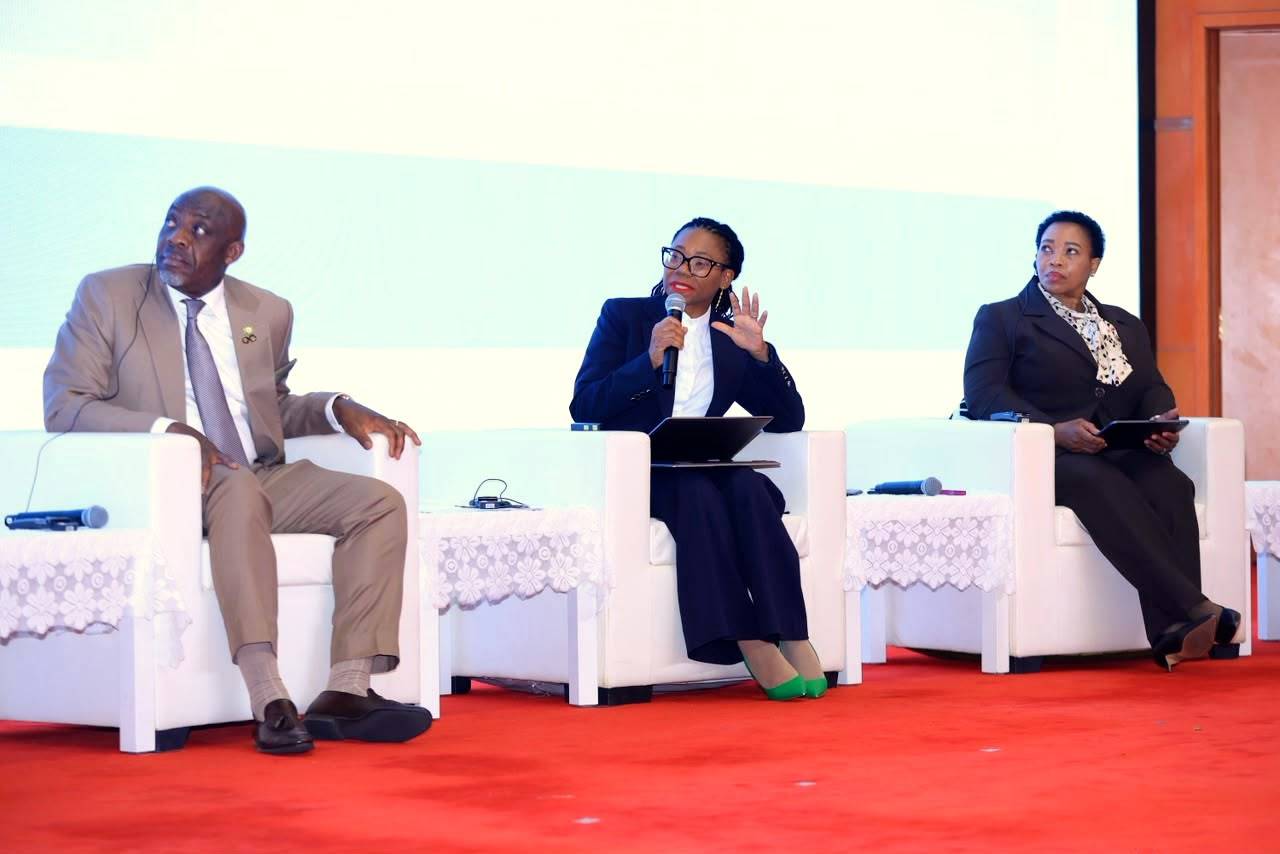
Dr. Sèdami Mèdegàn Fagla, Benin’s Minister of Higher Education and Scientific Research, represented the country at the forum, where she engaged with global leaders, including Zhang Guangjun, China’s Vice-Minister of Science and Technology. The event highlighted the growing synergy between African nations and international partners in harnessing AI for societal advancement.
Diplomatic ties and digital growth: a partnership with global implications
The forum served as a catalyst for deeper collaboration between Benin and China, culminating in the signing of a memorandum of understanding (MoU) with the Sino-North Africa Education Innovation Association (SNAEIA). This agreement establishes a framework for academic exchanges, technical training, and joint innovation projects between Benin and Chinese institutions.
The SNAEIA brings together universities, vocational schools, and tech enterprises, creating pathways for students and professionals to gain cutting-edge expertise. For Benin, this partnership represents a strategic opportunity to bridge gaps in its digital infrastructure and accelerate the integration of AI into key sectors.
A strategic alliance for scientific and technological advancement
The MoU outlines plans for joint research initiatives, faculty exchanges, and collaborative development of AI-driven solutions tailored to local challenges. By leveraging China’s expertise in digital education and Benin’s youthful talent pool, the partnership aims to foster an ecosystem where innovation thrives.
Minister Fagla emphasized that this collaboration aligns with Benin’s broader vision to cultivate a knowledge-based economy, where AI becomes a tool for sustainable development and economic diversification.
Empowering the youth: the heart of Benin’s AI revolution
The pilot initiative places young people at its core, recognizing that Africa’s future hinges on its ability to harness AI for improved education, healthcare, agriculture, and governance. By providing access to AI tools and training, Benin seeks to break down barriers to digital inclusion and prepare its workforce for tomorrow’s job market.
AI literacy is no longer optional—it is a necessity for countries aiming to compete in a globalized economy. Benin’s proactive stance ensures that its youth are not just consumers of technology but creators, problem-solvers, and innovators who can address the continent’s unique challenges.
Transforming sectors through AI innovation
From smart classrooms to predictive analytics in agriculture, AI offers transformative solutions for Benin’s development. The initiative will introduce tailored programs to train teachers, students, and entrepreneurs in AI applications, ensuring that these technologies serve the public good.
By integrating AI into education systems, Benin aims to reduce skill gaps, enhance research capabilities, and stimulate entrepreneurship. The goal is clear: turn AI from a buzzword into a tangible driver of progress.
The road ahead: turning potential into progress
While the designation as a pilot country is a significant milestone, the real test lies in execution. Benin must now focus on implementing structured training programs, fostering public-private partnerships, and ensuring that AI education reaches every corner of the country.
Success will depend on the government’s ability to mobilize resources, engage stakeholders, and create an enabling environment for innovation. The international spotlight brings both opportunity and accountability—Benin must deliver on its promise to turn AI into a catalyst for youth employment, economic resilience, and societal transformation.
A model for Africa’s digital future
Benin’s pioneering role in AI education sets a precedent for the continent. By demonstrating how targeted initiatives can bridge the digital divide, the country could inspire other African nations to follow suit. The message is clear: Africa’s future is not just about adopting technology—it’s about leading its evolution.
With this initiative, Benin is not just participating in the AI revolution; it is shaping it. The world is watching as the country takes its first definitive steps toward becoming a hub of digital excellence and youth innovation in Africa.