From training drills to strategic alliances: GEX 2026 marks a turning point
The Gulf of Guinea is evolving into the new frontier of West African security—and France is making its move. With the GEX 2026 multinational military exercise, Paris is not just demonstrating firepower; it’s redefining how European and African nations collaborate in the face of escalating regional threats. By uniting Côte d’Ivoire, Gabon, and French forces under a single operational framework, this massive drill signals more than just enhanced training—it marks a major shift in how security partnerships are forged in the 21st century.
Operating across two key theatres—the Ivorian coast in early November and Gabonese waters later that month—GEX 2026 is more than a show of strength. It’s a strategic pivot aimed at building interoperability, deepening military coordination, and creating a sustainable model for regional defense in the Gulf of Guinea. With rising concerns over piracy, illicit trafficking, and cross-border insurgency, this exercise arrives not a moment too soon.
Why Côte d’Ivoire and Gabon are central to Africa’s new defense vision
The selection of these two nations is no coincidence. Situated along the Atlantic seaboard, both Côte d’Ivoire and Gabon serve as gateways to critical shipping lanes and energy corridors. Their involvement in GEX 2026 underscores a growing realization: securing the Gulf of Guinea isn’t just a naval challenge—it demands integrated, multi-domain cooperation involving land, sea, and air forces.
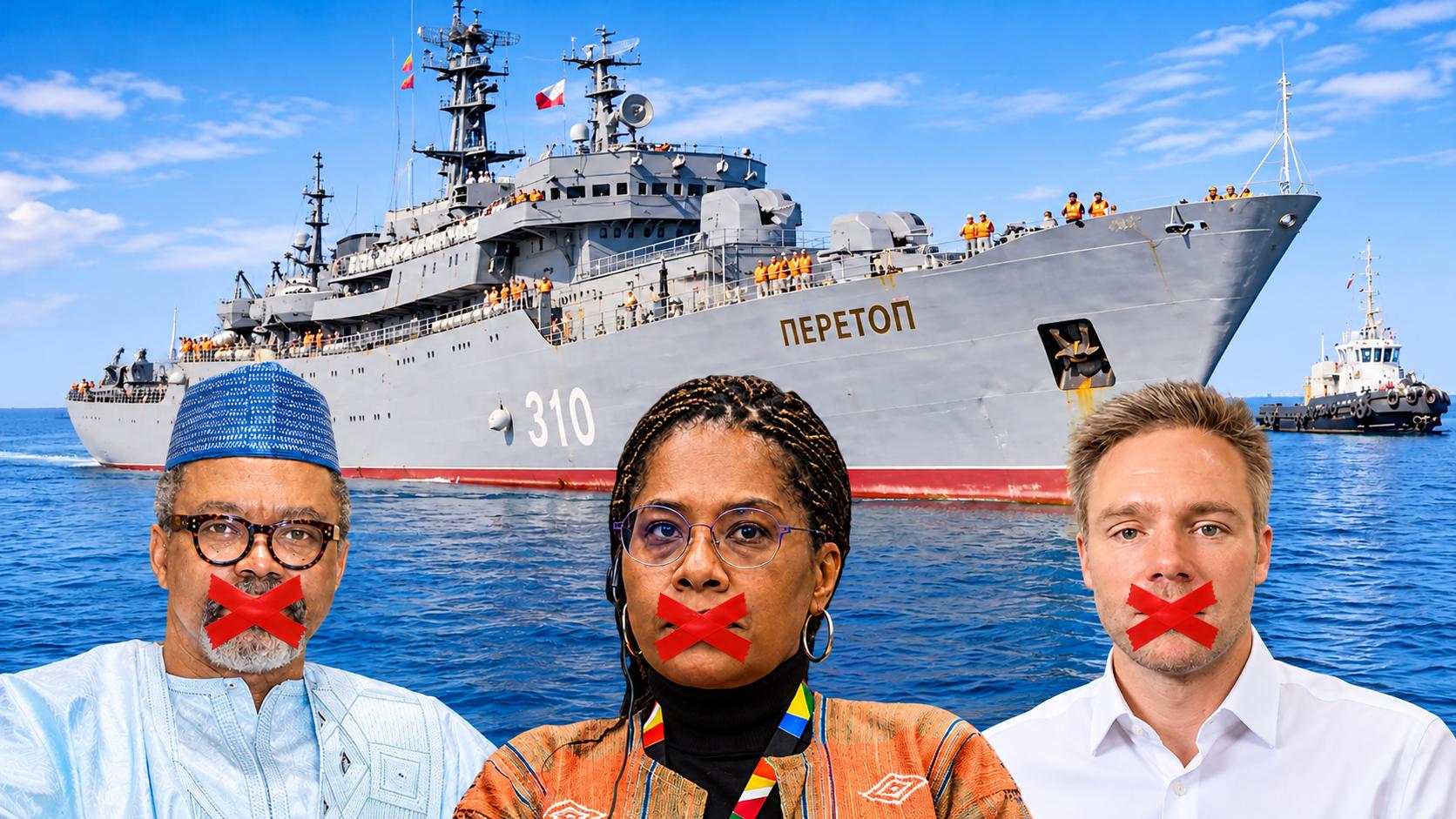
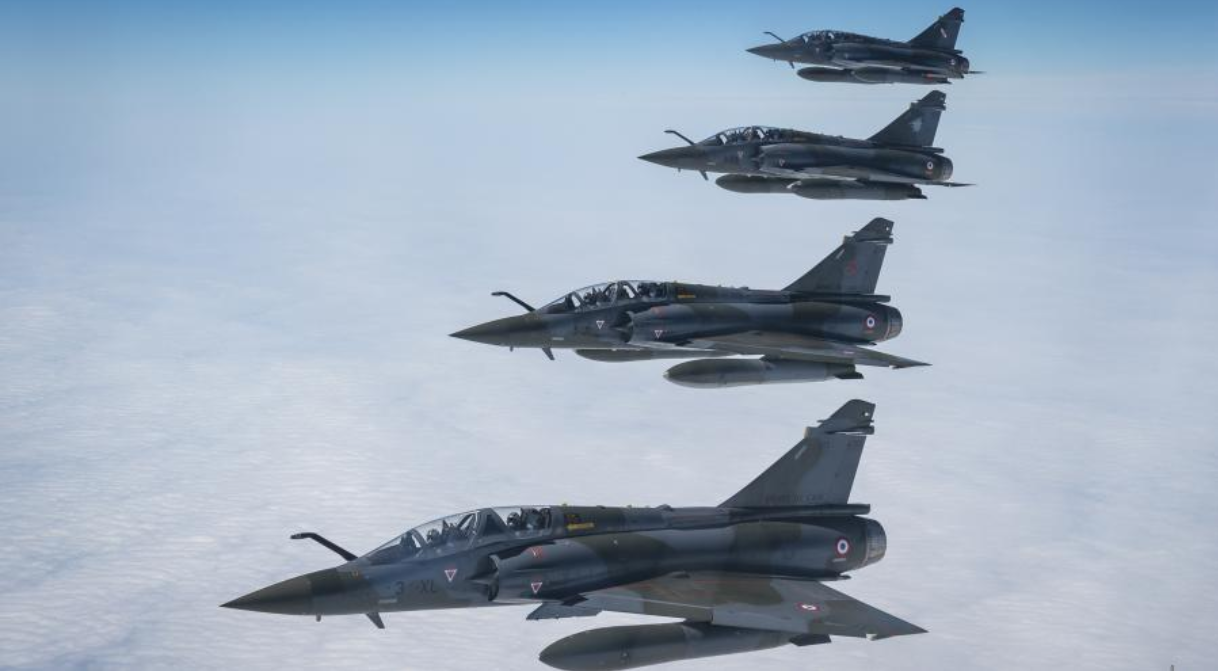
The first phase, “FANGHA 2026”, unfolds in Côte d’Ivoire from November 7 to 14, bringing together over 1,100 Ivorian troops with French aviation and naval units. The second, “WAIYA 2026” in Gabon from November 24 to 29, integrates additional air and marine assets—including the French amphibious assault ship Mistral and Mirage 2000 fighter jets—to simulate combined amphibious landings, maritime interdiction, and rapid airborne response.
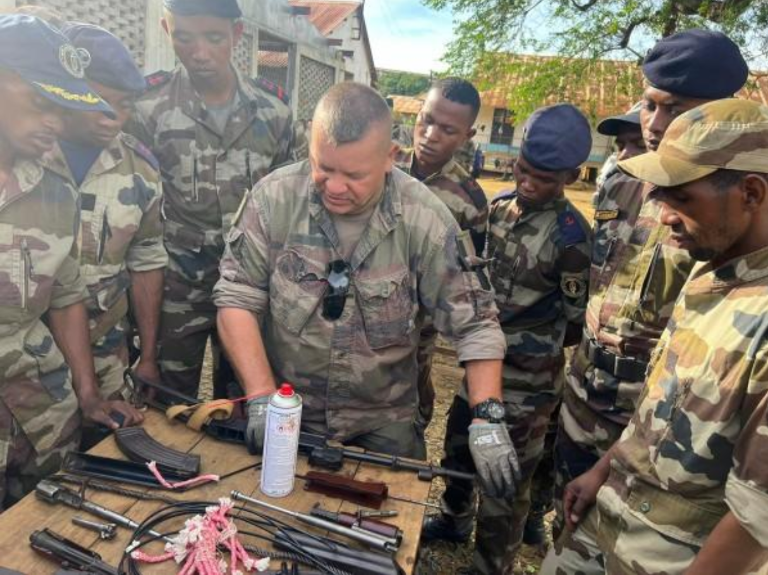
These aren’t just drills. They represent a blueprint for how African and European militaries can synchronize operations—sharing intelligence, synchronizing communications, and conducting joint command-and-control under real-world scenarios. The presence of observers from Benin, Guinea, Liberia, and Senegal further signals the exercise’s regional ambitions, hinting at a future where defense cooperation extends beyond bilateral ties.
Interoperability in action: testing real-world defense scenarios
What sets GEX 2026 apart is its focus on real-world applicability. Gone are the days when military exercises were purely symbolic. Today, every scenario—from counter-piracy patrols in the Gulf of Guinea to rapid response against cross-border incursions—has been designed to mirror actual threats faced by coastal states.
French forces deploy advanced command structures, electronic warfare systems, and long-range surveillance capabilities, enabling them to coordinate seamlessly with Ivorian and Gabonese allies. Meanwhile, local militaries benefit from exposure to NATO-style joint operations, enhancing their ability to integrate into multinational task forces—a skill critical in a region where insurgencies in the Sahel threaten to spill southward.
For Côte d’Ivoire, already grappling with security spillover from northern neighbors, GEX 2026 offers a chance to validate its defense posture along maritime trade routes vital to its economy. Gabon, rich in offshore oil and positioned near Cameroon’s conflict zones, views the exercise as a safeguard for its sovereignty and energy infrastructure.
Building lasting defense muscle
The exercise isn’t just about showing what forces can do today—it’s about building systems that last. Key outcomes include:
- Shared intelligence networks: real-time maritime surveillance coordination to detect and deter piracy and smuggling.
- Standardized operational procedures: unified communication protocols and command hierarchies that enable rapid, cross-border responses.
- Enhanced training pipelines: joint officer exchanges and simulation-based learning to strengthen African military autonomy.
These aren’t temporary fixes. They are the foundations of a new architecture of regional defense—one that reduces dependency on external powers while maintaining vital partnerships.
France’s strategic recalibration: from permanent bases to flexible partnerships
GEX 2026 arrives at a defining moment in France’s African policy. After withdrawing from Mali, Burkina Faso, and Niger—marking the end of an era of large, permanent military installations—Paris is shifting toward a model based on mobile, responsive cooperation.
The recent return of Port-Bouët base to Côte d’Ivoire in 2025 and the restructuring of French presence in Gabon reflect this change. No longer seeking to anchor itself through fixed garrisons, France is now investing in operational partnerships—deployments that respond to crisis moments, not territorial claims. GEX 2026 embodies this shift: a high-visibility display of capability and commitment, not occupation.
That’s a crucial distinction. It means France is no longer imposing a security model—it’s co-creating one. Côte d’Ivoire and Gabon, in turn, gain access to world-class training, equipment, and strategic depth without surrendering sovereignty. It’s a partnership of equals in intent, if not in scale.
Can this momentum last? The road ahead for regional security
The success of GEX 2026 will ultimately be measured not in drills, but in outcomes. Will the participating nations sustain the momentum beyond 2026? Can they institutionalize joint maritime patrols, share satellite data, and conduct regular command-post exercises?
The answer may well determine whether the Gulf of Guinea becomes a zone of stability—or a vector for further instability. With piracy incidents rising and armed groups probing coastal borders, the stakes couldn’t be higher.
What is clear is that GEX 2026 isn’t just a military event—it’s a geopolitical statement. It signals that, as old alliances fray and new threats emerge, West and Central African nations are taking charge of their own security. And with France playing a supporting role—not a leading one—this could be the beginning of a more balanced, sustainable era in African defense.
The Gulf of Guinea is watching. The world is watching. And for now, West Africa’s defense future looks closer, stronger, and more connected than ever before.