From political speeches to cramped lecture halls: the broken promise of Burkina Faso’s universities
At a time when Burkina Faso’s leadership touts sweeping higher education reforms, students are facing an entirely different reality one defined by jam-packed lecture halls and limited access to basic academic resources. While officials emphasize national sovereignty and educational transformation, the sharp contrast between announcement and implementation has left many young learners questioning the credibility of government commitments.
Youth bet on local education only to confront overcrowded realities
For countless high school graduates in Burkina Faso, enrolling in a domestic university is a deeply personal choice. Many are driven by familial ties, a sense of civic duty, or faith in national progress. The government’s repeated assurances of modernized campuses, improved facilities, and expanded academic opportunities reinforced this optimism.
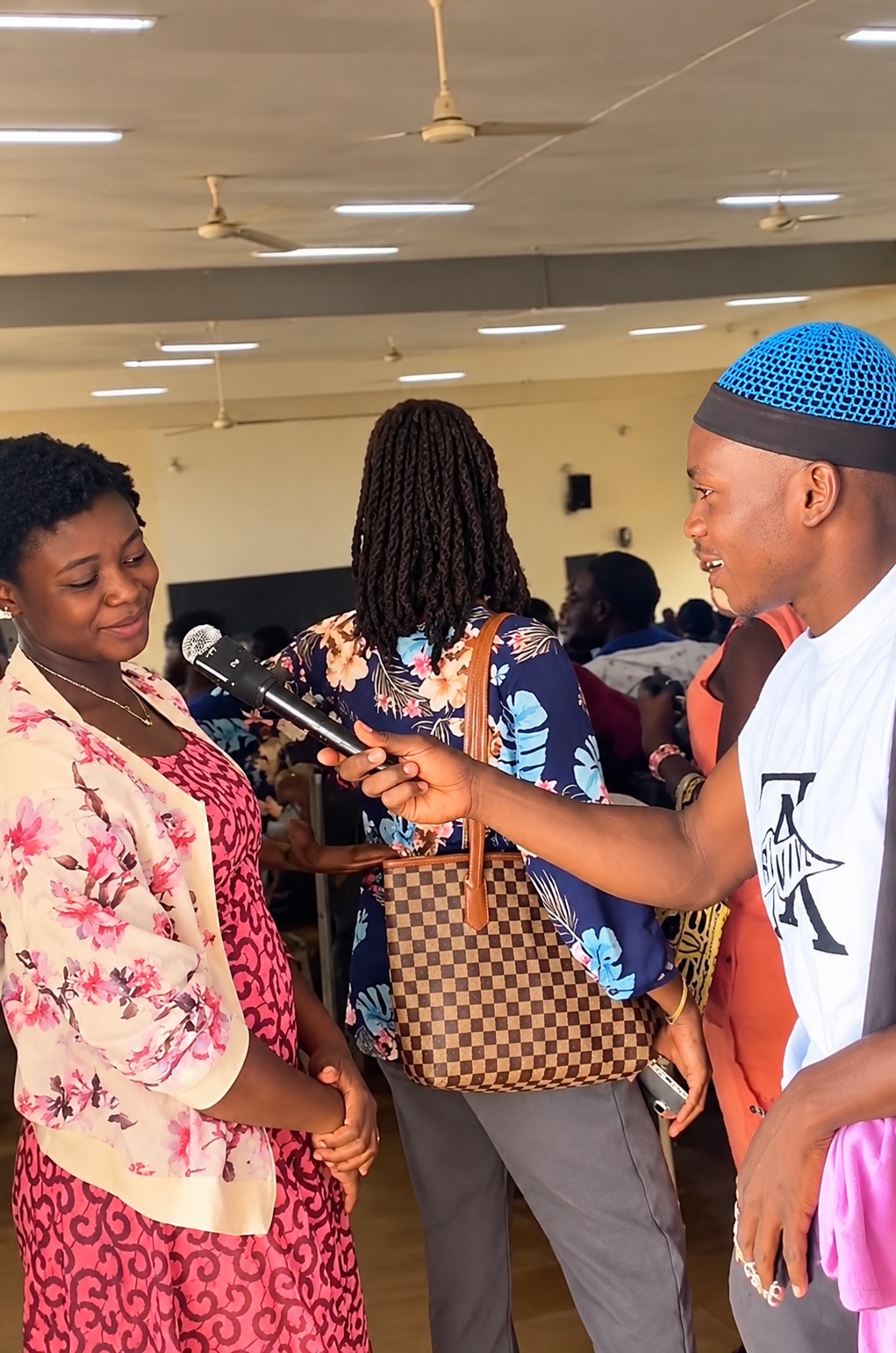
Yet when students step into their first-year classrooms, the gap between rhetoric and reality becomes impossible to ignore. Overcrowded amphitheaters, insufficient seating capacity, and difficulty accessing core courses have become common complaints. These challenges are not merely anecdotal they reflect deeper structural failures that question how well university growth aligns with student demand.
Official data reveals a widening gap in university capacity
Government acknowledgment of these issues has surfaced in surprising places. In mid-2023, Burkina Faso’s Minister of Higher Education, Adjima Thiombiano, presented sobering stats to the transitional legislature. At the time, the nation hosted over 190,000 university students but only around 90,000 suitable classroom spots existed. The student-to-faculty ratio stood at a challenging 109-to-1, far exceeding international benchmarks of 25-to-1.
Other documented concerns included inadequate infrastructure, understaffed academic management, delayed academic calendars, and inconsistent internet connectivity. While road improvements and new buildings may be visible, the absence of corresponding teaching capacity renders such enhancements largely symbolic for students trying to secure a quality education.
Reality strikes home: student returnees face disillusionment
For those who chose to return to Burkina Faso after completing secondary school, the experience has often been one of shattered expectations. Believing in a narrative of educational renaissance, some arrived full of hope only to find lecture halls so densely packed that attendance itself became a daily struggle.
Beyond the physical constraints, students report challenges in accessing required courses, limited faculty availability, and inconsistent learning conditions. These obstacles extend beyond isolated incidents. They suggest a systemic imbalance between enrollment growth and institutional readiness one that no amount of political messaging can resolve.
Not all progress is progress for students
Government communications frequently highlight newly built lecture halls or modernized facilities. Yet observers question whether these developments truly alleviate student hardships. A newly renovated building with no additional seating capacity offers no relief. A well-equipped lab with no qualified instructors is not a solution. Impressive announcements mean little if they do not translate into tangible improvements in teaching and learning environments.
Measuring progress requires hard data: actual numbers of available seats, verified student enrollments, teacher-student ratios, and functional equipment usage. Without such transparency, official narratives risk becoming little more than political window dressing designed to project progress rather than deliver it.
The turning point: from promises to performance
The credibility of Burkina Faso’s higher education strategy now hangs in the balance. While political leaders can declare transformation a success, students demand accountability. They need proof real classroom space, qualified educators, and structured academic programs not more speeches.
The time has come for concrete action. If university expansion means building modern structures without increasing capacity, infrastructure investments become virtually meaningless. If faculty recruitment lags behind enrollment growth, excellence in education will remain out of reach. And if communication continues to outpace implementation, public trust will continue to erode.
For Burkina Faso’s leadership, the test is not the volume of announcements, but the delivery of durable solutions. A renewed commitment to transparent reporting, realistic planning, and measurable results is essential. Only then can the dreams of a burgeoning academic youth be matched by a university system capable of nurturing them.
What students truly need: space, structure, and support
Amid rising expectations, the country’s future professionals are calling for three essentials: sufficient seating capacity to attend classes, a corps of qualified instructors to guide them, and a functional academic calendar that ensures continuity. These needs transcend political rhetoric. They are the foundation of any credible higher education system.
Until classroom numbers align with student enrollment, Burkina Faso’s universities will remain caught between two realities one of promised transformation, the other of persistent constraint. For the young people who believe in their nation’s potential, the choice is clear: they need results, not slogans.
By François Mvondo — Journalist