The decision to return to Burkina Faso was supposed to be a turning point for thousands of gold miners. After fleeing domestic violence and economic collapse, many had found temporary refuge in Guinea’s mining regions—only to be abruptly expelled. Now, they face an even greater challenge: rebuilding their lives in a country still mired in insecurity and poverty.
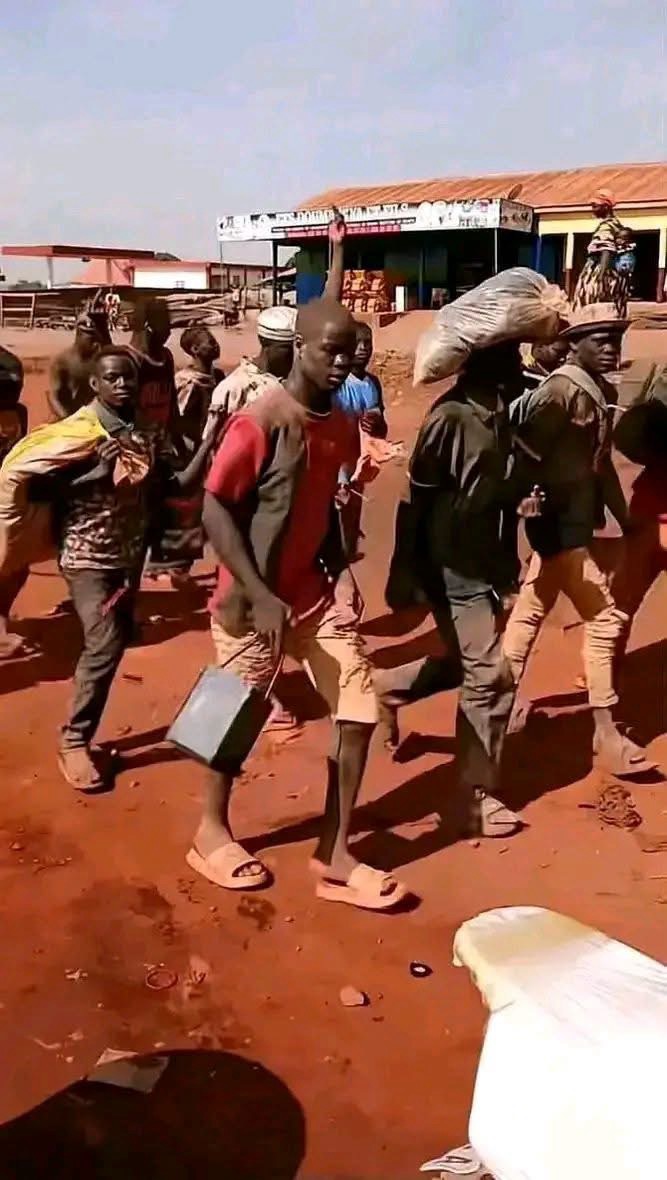
For these miners, the expulsion from Guinea wasn’t just a loss of livelihood—it marked the end of a fragile lifeline. Their return to Burkina Faso is not the end of their journey, but the beginning of a new test: survival in a nation where terrorism, displacement, and economic hardship continue to deepen daily.
From flight to forced return: the journey of Burkinabè miners
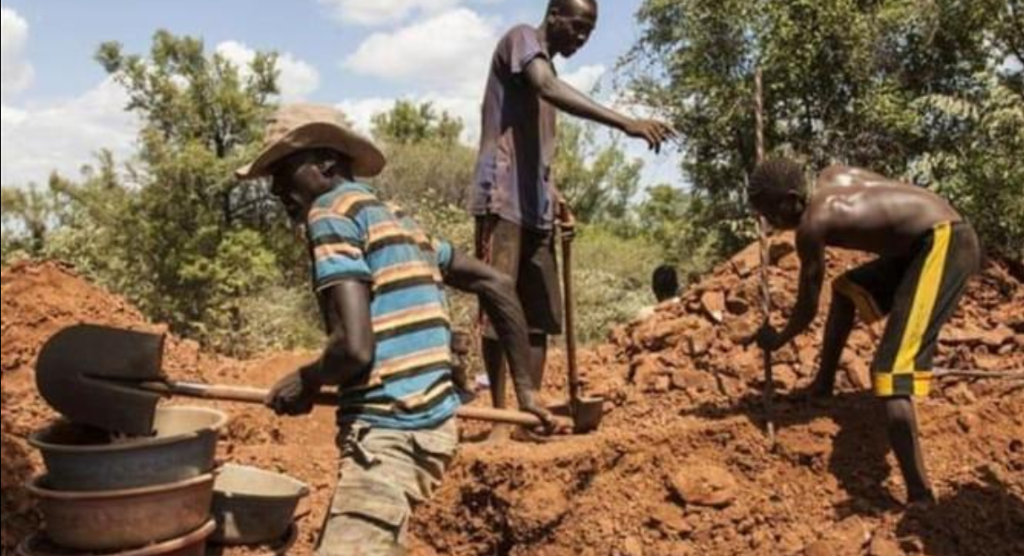
Many Burkinabè gold miners did not leave Burkina Faso by choice. Years of escalating insecurity—driven by armed attacks, territorial abandonment, and collapsing local economies—left entire communities with no alternative. The promise of work in Guinea’s gold-rich regions, particularly around Siguiri, became a lifeline for survival.
In Guinea, despite grueling conditions and minimal regulation, informal mining provided a way to send money home and support families. That fragile stability has now vanished. Government crackdowns targeting undocumented foreign miners have forced thousands across the border—many with little more than the clothes on their backs.
Returning to uncertainty: what awaits them in Burkina Faso?
The return is not a homecoming. In many cases, it’s a return to unresolved danger. Villages still under threat from armed groups, abandoned homes, and barren fields await those who manage to go back. For others, displacement leads to overcrowded transit centers or already strained urban areas—where access to food, shelter, and basic services is a daily struggle.
Without savings, job prospects, or social support, the economic reality is stark. Savings from mining in Guinea may have been spent on the journey home or depleted during transit. The absence of immediate income leaves families vulnerable to hunger, debt, and desperation.
Could poverty fuel recruitment into armed groups?
In a nation at war, the link between poverty and insecurity is dangerous. While no one can predict who may be tempted by extremist promises, the conditions are undeniably fertile ground. Young men with no income, no future, and a sense of abandonment become potential targets for recruitment. Armed groups exploit hardship, offering money, protection, or a twisted sense of belonging to those left behind by the state.
This is not inevitability—but it is a growing risk. Without urgent action, the cycle of displacement, expulsion, and vulnerability could escalate into a deeper security crisis.
Rebuilding lives: is there a way forward?
Burkina Faso cannot afford to ignore the plight of returning miners. A coordinated response is needed—one that goes beyond border control or symbolic repatriation. It must include:
- Immediate support: Food aid, cash transfers, and temporary shelter for those unable to return to their villages
- Economic reintegration: Vocational training, access to microfinance, and support for restarting small-scale agriculture or trade
- Security assessments: Clear identification of high-risk areas to prevent forced returns to danger zones
- Humanitarian partnership: Collaboration with aid organizations to deliver services in displacement zones
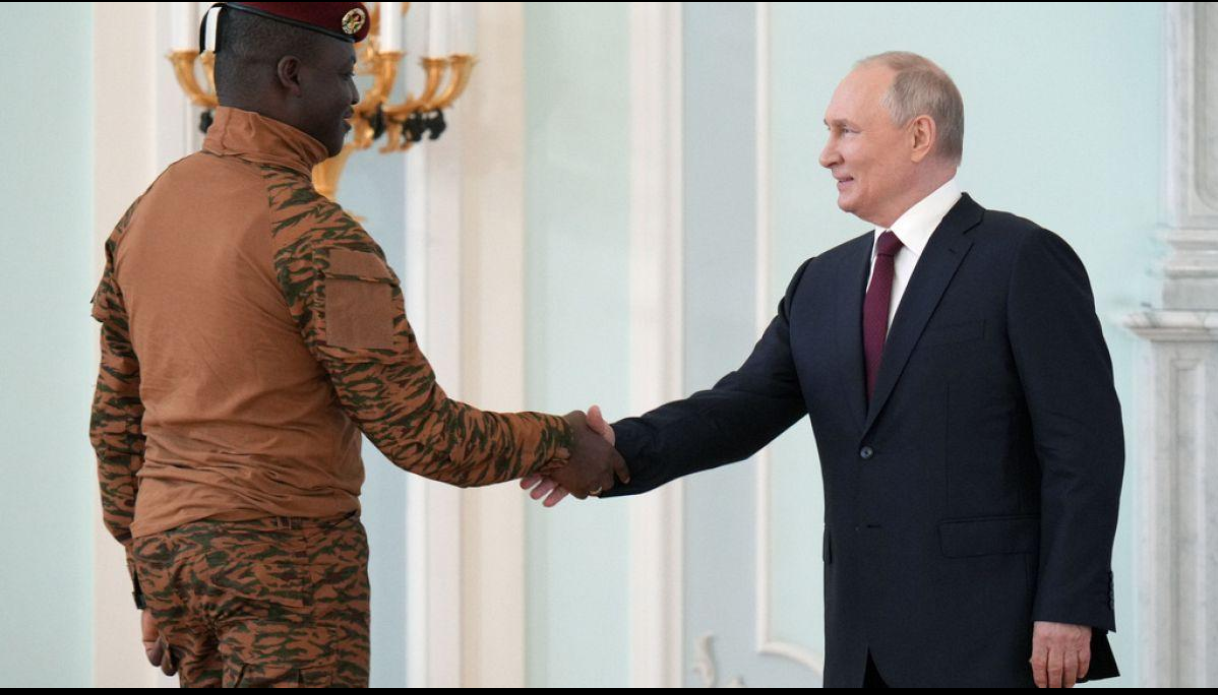
The government must also engage in diplomatic dialogue with Guinea to ensure expulsions do not violate human rights and that future migration flows are managed with dignity and transparency.
A turning point for national cohesion: will Burkina Faso step up?
The expulsion of Burkinabè miners from Guinea is not just a border issue. It’s a reflection of a nation struggling to protect and empower its people. These miners are not failures—they are survivors. Their expulsion should not mark the end of their story, but the beginning of a commitment: to rebuild systems that protect citizens, regardless of where they are forced to go.
The real question is not how many miners are returning, but how many will be left behind as the state rebuilds. The future of Burkina Faso depends not just on securing its borders, but on securing the future of every citizen—especially those who have already faced displacement, expulsion, and despair.