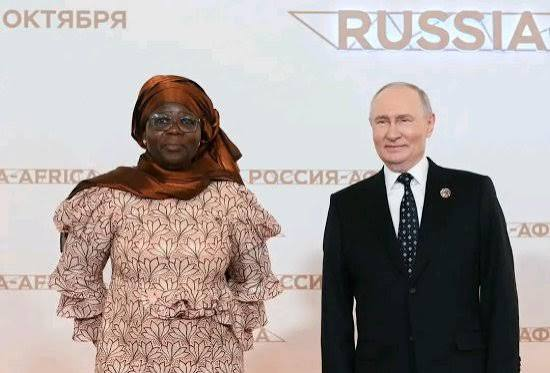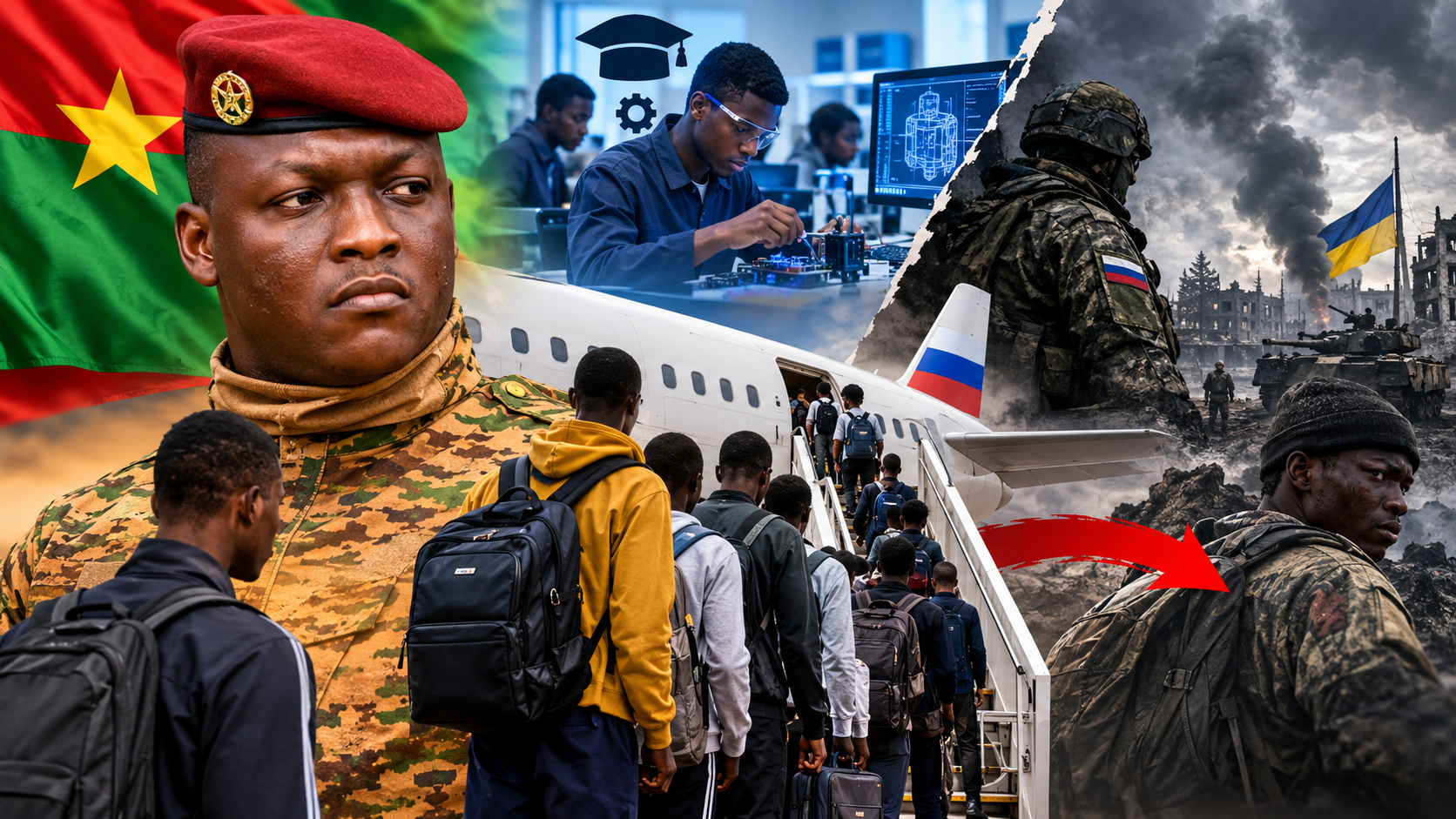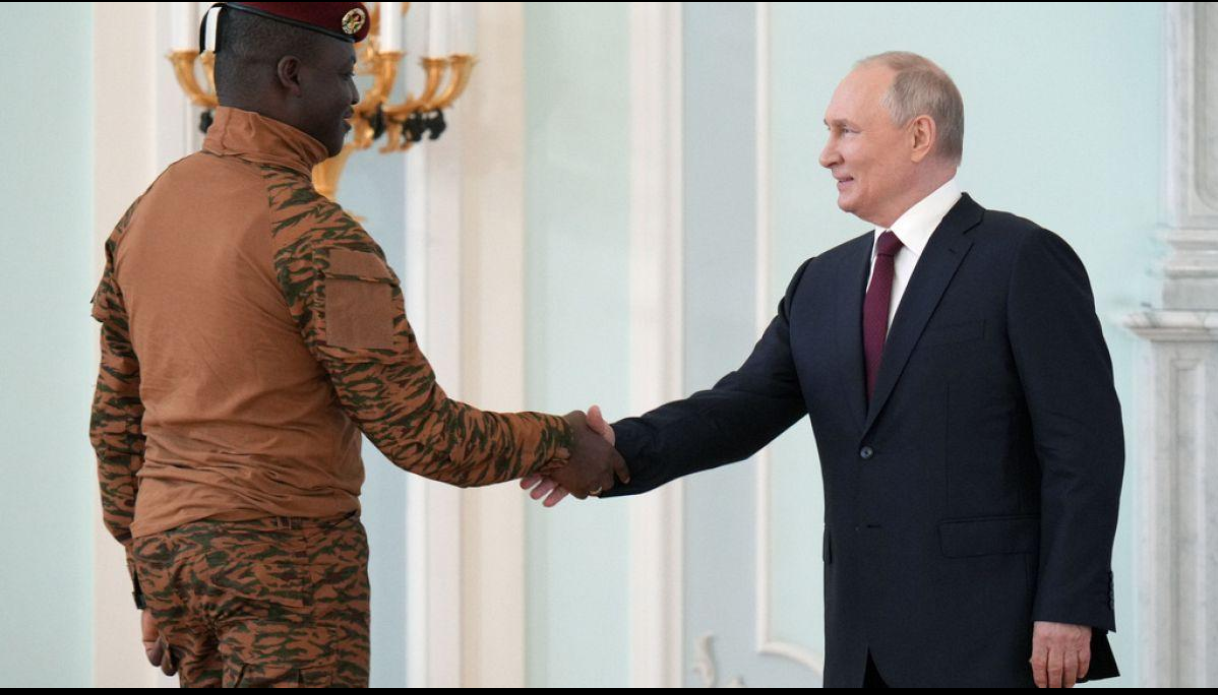
In Burkina Faso, gold is no longer just a national resource—it has become a cornerstone of political survival. Since Captain Ibrahim Traoré took power in September 2022, Ouagadougou’s strategic pivot toward Moscow has reshaped the country’s security and economic landscape. But beneath the surface of this diplomatic alliance lies a pivotal question: could the nation’s burgeoning gold reserves be the linchpin that sustains Traoré’s regime?
The Bissa Mine Saga: A Decisive Shift in Security Contracts
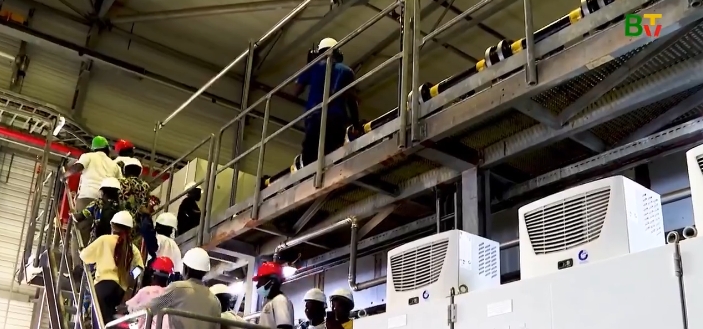
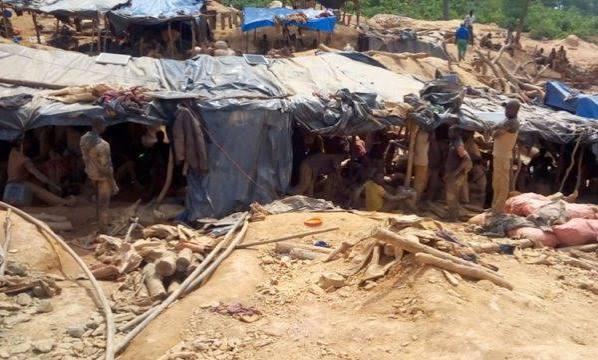
The Bissa gold mine, operated by Russia’s Nordgold, has become the epicenter of a high-stakes rivalry between Russian security firms. This competition isn’t just about contracts—it’s a reflection of how mineral wealth, political influence, and regime stability are now intertwined under Traoré’s leadership.
Leaked internal correspondence suggests that RSB-Group, an ousted Russian security firm, has been aggressively lobbying Burkinabè officials to challenge its exclusion. The company claims its rivals’ security operations have inadvertently fueled attacks on Fulani villages, raising concerns about the human cost of mining security. While these allegations require independent verification, they underscore a harsh reality: the protection of gold mines is no longer just about safeguarding assets—it’s about wielding power.
From Military Support to Political Fortification
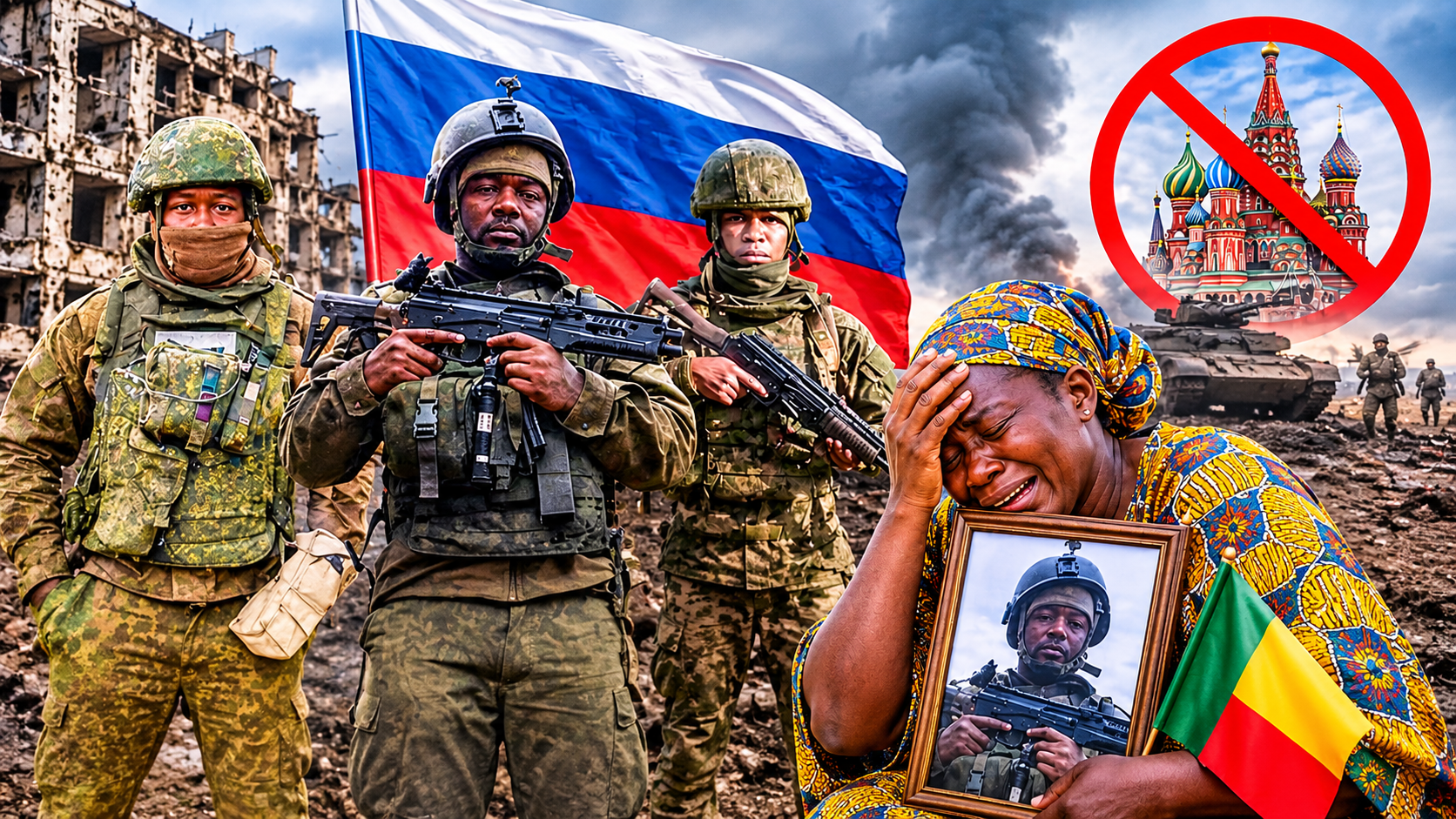
The Traoré-Putin partnership extends far beyond shared opposition to Western influence. Since a failed coup attempt in September 2023, securing the transitional leader’s hold on power has become a national priority. Reports from mid-2024 indicate the presence of Russian paramilitaries deployed not only in anti-jihadist operations but also in high-security zones around the presidential palace and intelligence hubs.
This dual mission—combating insurgency while bolstering the regime’s defenses—raises critical questions. Could Moscow’s involvement be the buffer Traoré needs to consolidate his authority in a country grappling with escalating violence?
Gold as Leverage: Russia’s Strategic Interest in Burkina Faso’s Mines
Russia’s economic stake in Burkina Faso’s gold sector is undeniable. Nordgold, majority-owned by oligarch Alexei Mordashov, controls the Bissa and Bouly mines, giving Moscow a direct financial interest in their uninterrupted operation.
In February 2023, the Burkinabè government requisitioned 300 kilograms of gold from Bissa Gold under the pretext of public necessity, signaling a new era where mineral wealth is treated as a state resource. For Russian firms, this development translates to both opportunity and risk—securing mining operations means preserving revenue streams that benefit both investors and the Burkinabè state.
The High Stakes of Mine Security
Protecting gold mines isn’t just about economics—it’s about sovereignty. In a nation where armed groups frequently target industrial sites, ensuring stability for extractive industries directly impacts government finances and investor confidence. For Russian-backed firms, gaining preferential access to security contracts can translate into deeper political influence in Ouagadougou.
Analysts at West Point’s Combating Terrorism Center point to mineral security as a potential catalyst for Russia’s initial engagement in Burkina Faso. While their findings suggest Russian forces may prioritize regime protection over direct economic extraction, the overlap between the two objectives remains impossible to ignore.
A Pact of Convenience: What’s Really at Stake?
The Bissa mine controversy exposes a fractured Russian front, where competing firms vie for influence in Burkinabè corridors of power. RSB-Group’s push to reclaim its position—even through controversial allegations—highlights how security contracts have become bargaining chips in a broader game of political survival.
For local communities, the stakes couldn’t be higher. The security of a mine should never come at the expense of human security. Yet, in fragile regions where communal tensions simmer, the actions of armed contractors can tip the balance toward instability.
The Unwritten Quid Pro Quo
There’s no public agreement linking Traoré’s personal security to gold concessions, but the circumstantial evidence is compelling. Russia provides the regime with security expertise and geopolitical backing, while Burkinabè gold underpins Nordgold’s—and by extension, Moscow’s—economic foothold in the Sahel.
Could this be the moment where Burkina Faso’s gold transforms from economic asset into a political lifeline? Or will the contradictions between security, human rights, and economic gain ultimately destabilize the regime it was meant to protect?
Conclusion: A Turning Point for Burkina Faso’s Future
The story unfolding at Bissa mine is more than a corporate dispute—it’s a microcosm of Burkina Faso’s new reality. As Ouagadougou cements its alliance with Moscow, the nation’s gold reserves are emerging as a double-edged sword: a resource that could either finance stability or exacerbate the very insecurity it seeks to combat.
In this high-stakes equation, one truth remains clear: gold is no longer just a commodity. It’s a currency of power—and Traoré’s regime is betting its future on it.