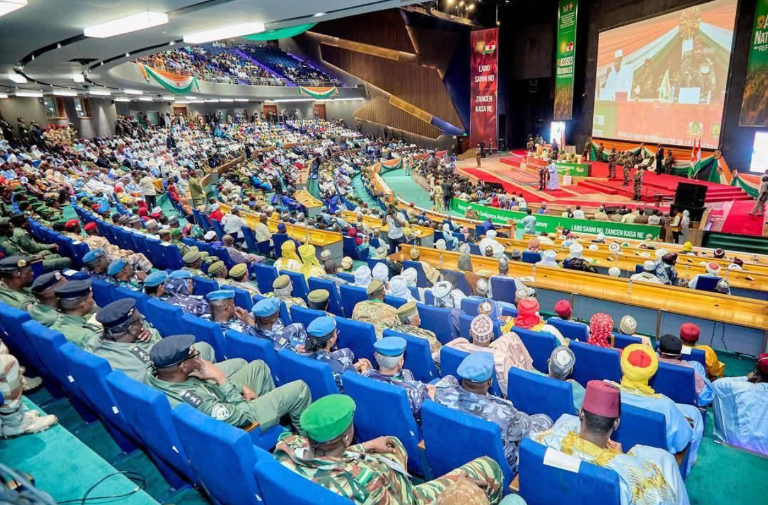
Cotonou, Benin — A historic turning point is unfolding in West Africa this week as the 12th African Think Tanks Summit (#ATTS2026) convenes in Benin’s economic hub to redefine the continent’s energy landscape. Running from October 28 to 30 at the heart of Benin’s capital, this landmark gathering is reshaping the narrative: energy access is no longer just about lighting homes—it’s about powering Africa’s economic Renaissance.
From policy debates to concrete economic drivers
The summit, organized by the African Capacity Building Foundation (ACBF), in partnership with the government of Benin and the African Union Commission, has drawn policymakers, thought leaders, development partners, and energy experts from across Africa and beyond. Their shared mission: to convert energy reforms into tangible engines of growth, industrialization, and job creation.
The core question driving the three-day event isn’t whether Africa needs more electricity—it’s how to ensure every watt of energy unlocks real economic value. As Aristide Médenou, Benin’s Minister of Economy and Finance in charge of Cooperation, emphasized in his opening address: “We are moving beyond counting connections. We must measure how electricity translates into stronger businesses, higher productivity, and better lives.”
Energy that works: bridging the last-mile divide
The discussions in Cotonou go far beyond infrastructure and electrification rates. They focus on quality, reliability, cost, and relevance—four pillars that determine whether energy becomes a catalyst or a bottleneck for African economies.
Unreliable or unaffordable electricity erodes competitiveness, destabilizes supply chains, and deters foreign and local investment. In contrast, a well-calibrated energy system—aligned with industrial, agricultural, and commercial needs—can:
- Boost firm productivity by enabling 24/7 operations
- Support agro-industrial value addition through cold storage and processing
- Enable smart urbanization via reliable public services and digital infrastructure
- Catalyze local entrepreneurship by lowering energy costs for startups
Luc Gnacadja, Mayor of Cotonou, highlighted this urban dimension, stating, “Electricity isn’t just a utility—it’s the heartbeat of our cities. From schools to markets, from hospitals to tech hubs, reliable power transforms communities overnight.”
Strong institutions = strong energy systems
Mamadou Biteye, Executive Secretary of ACBF, framed the challenge clearly: “We have the resources. We have the will. What we need now is institutional capacity—to design policies that work, regulate effectively, and deliver results that last.”
The summit is addressing the systemic gaps that often stall progress:
- Policy coherence: Aligning energy strategies with national industrial, agricultural, and trade plans
- Regulatory excellence: Building transparent frameworks that attract investment without compromising affordability
- Governance innovation: Strengthening public-private coordination across utilities, regulators, and communities
- Local ownership: Empowering cities and regions to integrate energy into urban development agendas
This institutional focus is especially critical as Africa seeks to balance financial sustainability with social inclusion. Modernizing power systems demands massive financing—yet tariffs must remain accessible to consumers and businesses alike.
Africa’s energy revolution gets a roadmap
By the close of October 30, delegates will finalize a forward-looking Action Agenda for Energy-Led Growth. This roadmap will guide African governments, regional bodies, and development partners in:
- Scaling productive energy use (industry, agriculture, services)
- Strengthening energy governance and regulatory frameworks
- Designing financing models that balance investment needs with consumer protection
- Integrating energy priorities into national industrialization and urbanization strategies
The breakthrough moment in Cotonou isn’t just about discussing energy—it’s about committing to an energy-powered economy. Every participant leaves with a mandate: to turn kilowatts into kilowatt-hours of progress. To use electricity not as a luxury, but as the lifeblood of Africa’s next economic chapter.
As the summit unfolds under Beninese skies, one truth is clear: the continent’s energy future is not a distant dream. It’s being written now—in policy rooms, at summit tables, and across the streets of Cotonou.
And this time, the plan isn’t just visionary—the outcomes will be measured.