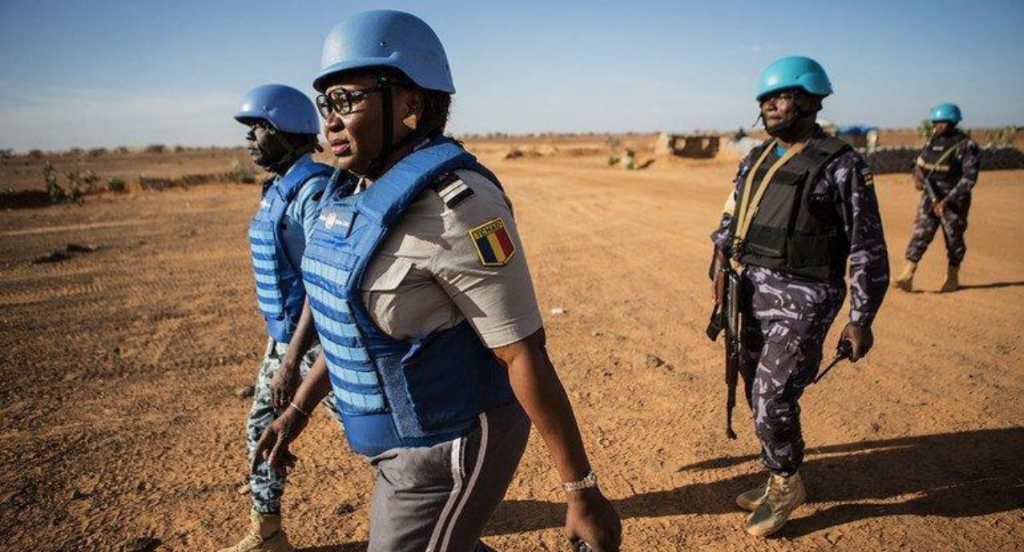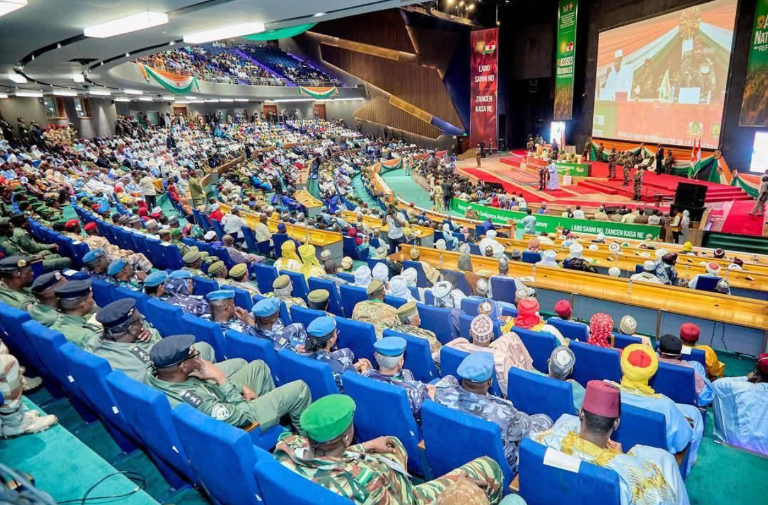
In a groundbreaking shift from its long-standing military neutrality, Algeria has made a decisive strategic move by winning parliamentary approval for its first overseas military deployment in five decades. This unprecedented initiative, targeting Niger, is sending shockwaves through a region that many analysts had written off as Russia’s exclusive sphere of influence.
Russia’s fading monopoly over Sahelian security
After Western military withdrawals left a perceived power vacuum in the Sahel, Moscow rapidly expanded its footprint in the Alliance of Sahel States. The assumption of Russia’s unchallenged dominance now appears dangerously shortsighted in light of Algeria’s sudden intervention. This Algerian deployment signals a fundamental transformation: Africa’s security landscape is evolving from a single-actor theater into a complex multipolar arena where competing visions vie for dominance.
Economic and military domino effects in Niger
Algeria’s military initiative is already triggering profound changes in Niger’s economic and security calculus. For years, Moscow had methodically expanded its influence through lucrative defense contracts involving cutting-edge air defense systems, reconnaissance drones, combat helicopters, and Wagner Group advisors. These weren’t just security arrangements—they represented financial dependencies, with multi-hundred-million-dollar contracts secured through mineral and hydrocarbon concessions.
Algeria’s military commitment fundamentally disrupts this framework:
- Breaking exclusive supply chains: Algeria’s professional military establishment presents a viable alternative to expensive Russian hardware, reducing Niger’s dependence on Moscow for core defense requirements.
- Undermining resource-for-protection deals: By providing its own security umbrella, Algeria weakens Russia’s ability to leverage Niger’s mineral wealth as payment for mercenary services, particularly critical mining and oil assets previously mortgaged to fund Wagner operations.
- Challenging maintenance hegemonies: With extensive operational experience with Russian military equipment (including Su-30 fighters, armored vehicles, and artillery systems), Algeria can offer technical support previously monopolized by Russian state-owned firms—creating new financial alternatives for Niamey.
Vital energy assets at stake for Algeria
For Algiers, this military intervention represents far more than geopolitical positioning—it’s a critical safeguard for national economic survival. Two projects sit at the heart of Algeria’s strategic concerns:
- Kafra oil field: Managed by Sonatrach, this major South Niger concession contains tens of millions of barrels. Protecting this asset is essential not only for revenue generation but also for maintaining Algeria’s strategic energy position in the Sahel.
- Trans-Saharan Gas Pipeline: This ambitious initiative aims to transport over 30 billion cubic meters of Nigerian gas annually to Europe via Niger and Algeria. Safeguarding this infrastructure requires complete control over the Sahara—a region where Wagner Group activities have allegedly strengthened non-state armed groups threatening regional stability.
By deploying troops, Algeria is effectively declaring that its critical energy infrastructure will not become collateral damage in Moscow’s regional ambitions. The message extends beyond the Kremlin to any actor attempting to establish exclusive influence over the Sahel.
From arms buyer to strategic counterbalance against Russia
For decades, Algeria ranked as Russia’s premier African arms customer. Today, it’s mobilizing its military capabilities to directly challenge Moscow’s expanding Sahelian influence. This strategic reversal isn’t accidental—it represents a calculated power maneuver that forces Niamey to reassess its international partnerships.
The underlying message is unambiguous: Algeria refuses to remain on the sidelines as Moscow systematically consolidates its control over Sahelian security through mercenary networks and exclusive defense agreements. What was once viewed as Russia’s uncontested strategic rear area is now an active battleground where traditional alliances are being fundamentally renegotiated under the pressure of direct military engagement.
Niger’s strengthened position: balancing between two partners
Niamey’s leadership now faces unprecedented strategic flexibility. Having relied heavily on Moscow for security and financial backing, Algeria’s troop deployment transforms the equation. The country gains access to a powerful new partner capable of providing not just weaponry but institutional credibility, technical expertise, and regional legitimacy.
This development significantly enhances Niger’s negotiating position. For the first time in years, the continent’s poorest nation by GDP can engage from a position of strength, potentially securing more favorable terms from both Algeria and Russia. The Sahel’s traditionally passive recipient of external security arrangements is becoming an active player in reshaping regional geopolitics.
Sahel’s shifting tectonic plates: toward multipolar competition
Algeria’s military deployment in Niger represents more than a single tactical move—it marks the beginning of a new regional era. The Sahara is rapidly transforming from a unipolar zone into a multipolar chessboard where influence is actively contested rather than passively accepted.
While Russia may still dominate diplomatic narratives in certain capitals, on-the-ground realities are shifting dramatically. Algeria’s challenge comes not just with comparable military strength but with superior regional legitimacy and compelling economic motivations. The previous illusion of Moscow’s unrivaled Sahelian dominance has dissipated. In its place emerges a stark new reality where power is measured not through declarations, but through boots stationed on the ground.