In a dramatic turn of diplomatic relations, authorities in N’Djamena have categorically rejected claims that their forces conducted a cross-border strike on Niger, calling for immediate public disclosure of the alleged evidence. The government’s strong rebuttal underscores a turning point in regional security dynamics, signaling unwavering resolve amid escalating suspicions.
Government of Chad fires back with definitive denial
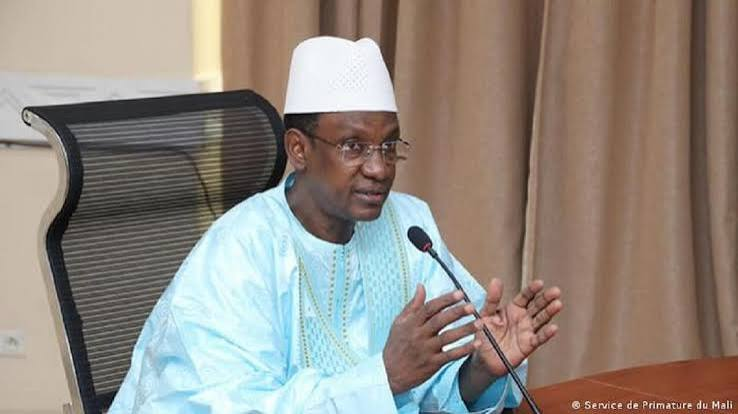
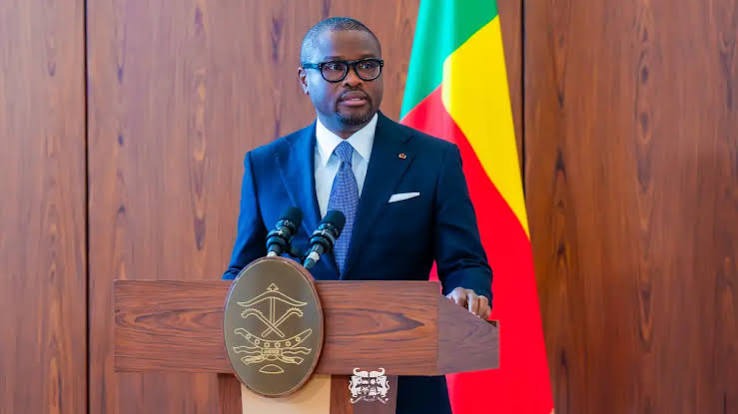
The official response from Chad’s government was delivered by government spokesman and minister Gassim Chérif Mahamat, who stated unequivocally that N’Djamena had no involvement whatsoever in any military operation against Niger. This strong denial comes in response to explosive accusations that have fueled speculation across the Sahel.
The minister emphasized that grave accusations of state-sponsored military action must be supported by verifiable evidence—not just public statements. For Chad, the credibility of any such claim hinges on transparency: allegations without proof risk poisoning bilateral trust and destabilizing a fragile security landscape.
From denial to demand: transparency as the new battleground
More than just rejecting the accusations, Chad is framing the issue as one of accountability. The government is not waiting for the storm to pass. Instead, it is demanding that Niger’s authorities publicly release the material and technical elements they claim to possess. This includes satellite imagery, flight logs, sensor data, or any other form of corroborating evidence.
The Chadian government insists that only through the sharing of concrete data can the authenticity of the accusations be meaningfully assessed. Until such evidence is presented, N’Djamena maintains that the claims remain speculative and potentially damaging to regional stability.
Why evidence matters in a high-stakes dispute
- Unverified claims can escalate tensions and erode trust between neighboring states.
- Diplomatic crises often hinge not on accusations, but on the availability of verifiable facts.
- A lack of transparency allows misinformation to spread, complicating conflict resolution.
In this case, Chad is turning the tables: if Niger holds evidence, it must share it. Otherwise, the accusations risk being seen as politically motivated or baseless.
The looming shadow of rebel movements and past warnings
Beyond the immediate denial, N’Djamena has raised a long-standing security concern: the presence of armed Chadian rebel groups operating from Nigerien territory. Government officials claim they have repeatedly warned Niamey about this issue over the past four years, but allege that their concerns were not adequately addressed.
This context adds weight to Chad’s skepticism. If Niamey is now pointing fingers, could there be a deeper motive? Or is this simply a case of misplaced blame in a region where security threats cross borders daily?
The timing of the accusations—following years of communication—raises questions about intent and timing. Chad’s leadership appears determined to address not just the strike allegations, but also the broader pattern of unchecked rebel activity they say originates from Niger.
Can diplomacy outpace suspicion in the Sahel?
The road ahead is uncertain. While Chad has drawn a clear line—denying involvement, demanding proof, and reiterating security concerns—the ball now lies in Niger’s court. Will Niamey respond with transparency? Or will the absence of verifiable evidence allow uncertainty to fester?
One thing is clear: the future of Chad-Niger relations now depends on two critical factors. First, the availability and credibility of any evidence supporting the strike allegations. Second, the willingness of both governments to engage in honest dialogue—moving beyond accusations and focusing on shared security challenges.
As the narrative unfolds, one truth emerges: in a region where trust is already fragile, unsubstantiated claims can do more harm than any military strike. The decisive action now lies with leadership—and the courage to choose facts over fear.