The rupture at goumeri w8 wasn’t just an industrial accident—it was the turning point that laid bare the fragile balance of Niger’s oil partnerships. With crude erupting, environmental fears rising, and foreign experts clashing over control, Niamey’s demand for accountability has triggered a seismic shift in the nation’s energy diplomacy.
Agadem — Oil doesn’t always flow as planned. Since the september 25 rupture at goumeri w8, the stakes have surged beyond damaged equipment and spilled hydrocarbons. This crisis in the agadem basin, operated by CNPC Niger Petroleum, has exposed a high-stakes triangle of tension between Niamey, Beijing, and Algiers—just as Niger seeks to assert greater control over its resources.
From industrial mishap to diplomatic standoff
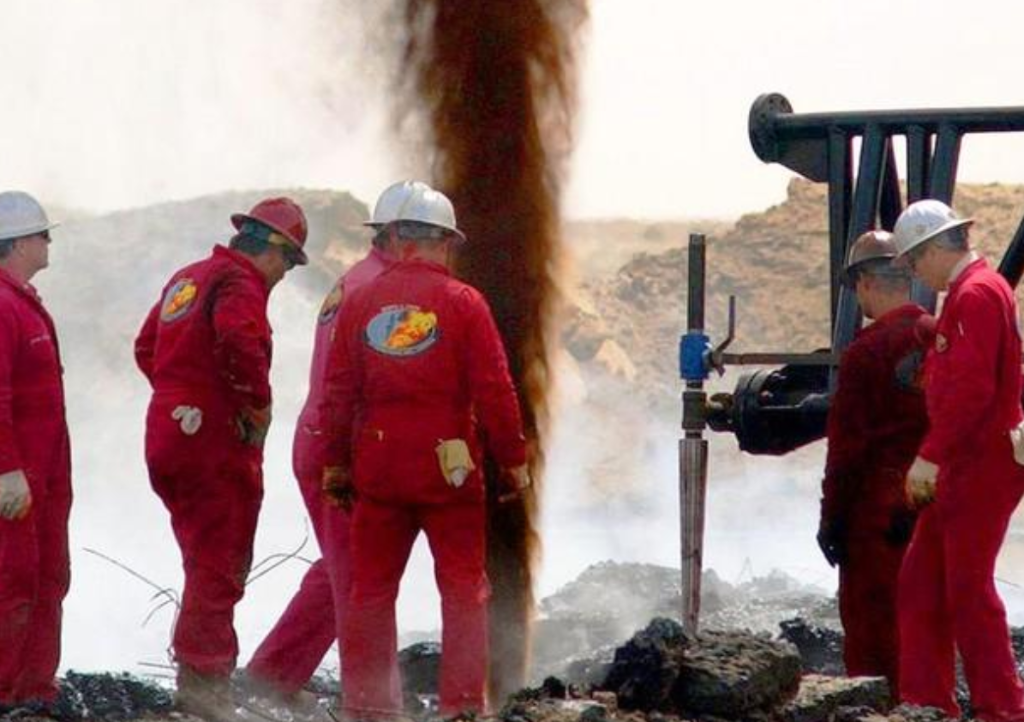
The eruption at goumeri w8 unleashed crude oil and gas under extreme pressure, damaging the platform and threatening neighboring wells like Goumeri W3 and W4. By october 12, Niger’s oil ministry classified the incident as “exceptionally severe,” with two workers hospitalized. Yet even as containment efforts advanced, the deeper issue remained unresolved: who holds authority in a crisis?
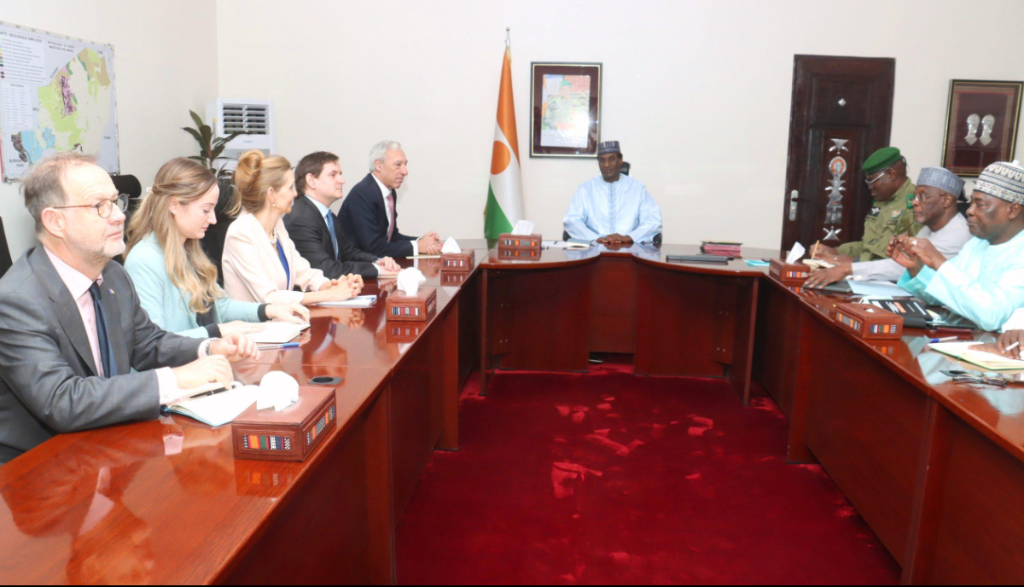
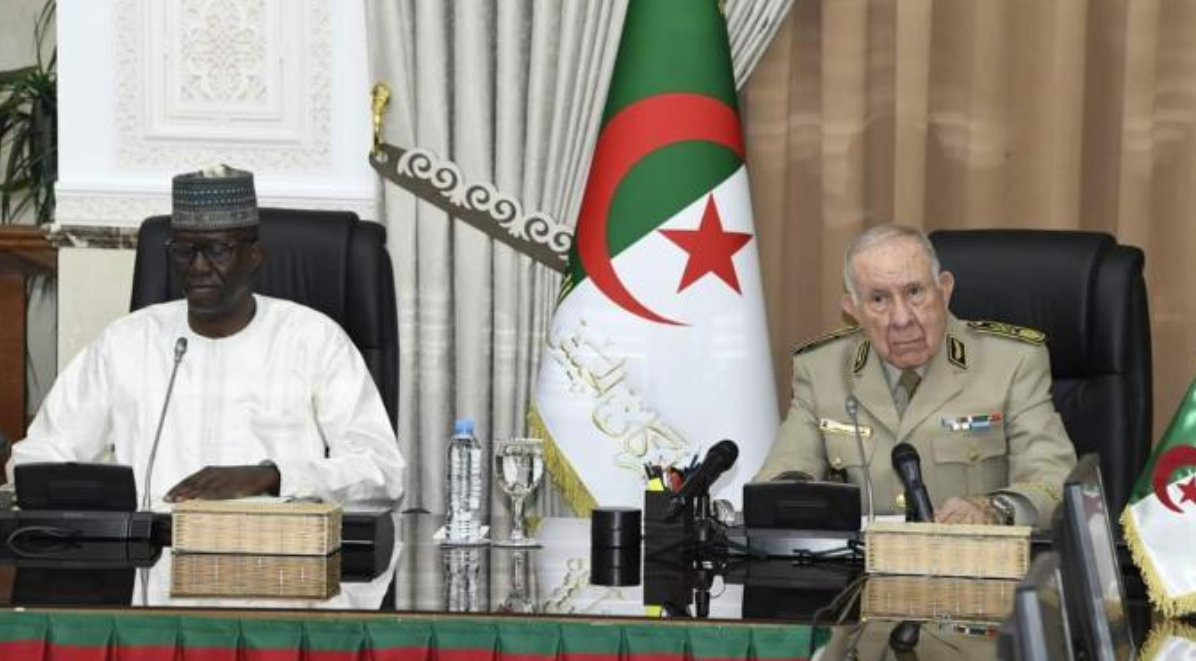
A source close to the operations revealed that while CNPC teams were already working to contain the leak, nigerian authorities summoned algérian technicians—sparking disputes over coordination and the role of the chinese operator. Without independent verification, it’s impossible to confirm whether this intervention aggravated the situation. But one question looms: in an emergency of this scale, who leads the response, validates technical decisions, and ensures seamless collaboration?
Algiers’ role: technical aid or strategic move?
By inviting algérian expertise—including sonatrach representatives—Niamey tapped into regional knowledge to tackle a complex industrial failure. On paper, this was a standard request for support. Yet the context turns this intervention into a flashpoint.
Rumors swirl about prior tensions over operational adjustments at the SORAZ refinery, where changes to hydrocarbon flow parameters allegedly raised technical concerns. While unconfirmed, these claims fuel speculation about underlying frictions. Still, the core issue remains: on a CNPC-operated site, how do externally mandated specialists integrate into the command chain without disrupting protocols?
Transparency is non-negotiable. Niamey has every right to seek the expertise it deems necessary—but urgency demands that all actions align with verifiable technical standards.
Surface containment hides deeper environmental risks
Bulldozers have erected sand barriers and containment berms to halt the oil’s spread. Yet these measures only address the visible problem. Beneath the surface, hydrocarbons may linger in soil or seep into groundwater, while vapors pose health risks to nearby communities.
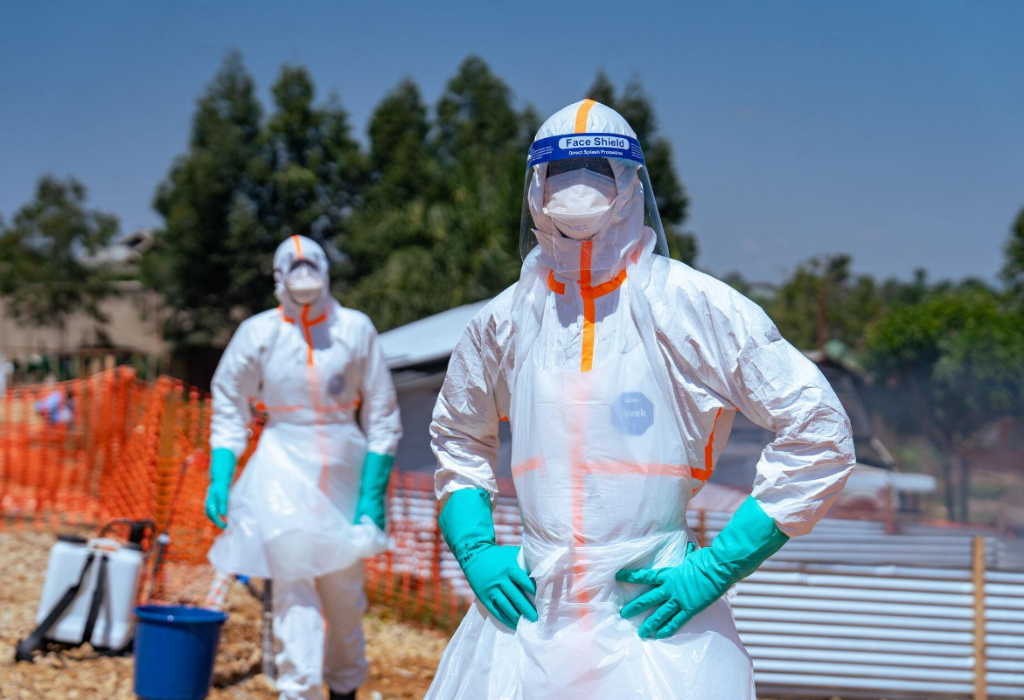
Local populations face pressing questions: are water sources safe? Is pastureland contaminated? Are exposed workers receiving medical monitoring? And who will bear the cost of remediation?
Officials claimed on october 20 that the spill was contained and that a relief well, goumeri w-8r, would be drilled between october 24 and december 26. But containment isn’t cleanup. Without independent soil and water tests, the true environmental toll remains unknown.
The $400 million pressure point
To grasp why goumeri w8 became a lightning rod, look beyond the wellhead. China’s dominance in Niger’s oil sector—from agadem’s production blocks to the Zinder refinery and export pipelines—has created deep financial and operational ties.
In april 2024, Niamey secured a $400 million advance from CNPC against future oil revenues, repayable over 12 months at 7% interest. This deal underscored Niger’s reliance on chinese financing—while highlighting the leverage Beijing holds.
With cumulative investments in the sector hitting $8.34 billion by june 2026 (including state, CNPC, and SOPAMIN contributions), every disagreement carries outsized consequences. For Niamey, the priority is ensuring oil wealth benefits its people. For Beijing, maintaining contractual stability is critical to protecting its investments.
Niamey’s ultimatum: a warning shot with global echoes
On october 13, 2026, Niger gave CNPC, WAPCO, and SORAZ 45 days to address alleged breaches: unrepatriated export earnings, unmet local hiring quotas, and other contractual shortfalls. Foreign minister Bakary Yaou Sangaré cited 3 trillion CFA francs in unreturned export revenue and 17.4 billion CFA francs in lost public revenue since april 2024.
These figures, if substantiated, could reshape partnerships. But their validation requires scrutiny of contracts, financial flows, and corporate responses. The ultimatum signals Niamey’s hardening stance—yet the clock is ticking. Will companies comply? Will negotiations bridge the gap? Or will standoffs escalate?
Beijing’s tightrope: cooperation under scrutiny
Niger’s demand for greater control over oil revenues reflects a broader push for economic sovereignty. But sovereignty isn’t just about issuing ultimatums—it’s about enforcing contracts, monitoring operations, and safeguarding communities.
CNPC remains indispensable to Niger’s oil infrastructure. Prolonged conflict could disrupt operations, erode trust, and hinder crisis resolution at goumeri w8. Yet Niamey cannot afford to abandon its demands. The path forward? Verifiable data, clear procedures, and a strategy that balances short-term leverage with long-term stability.
Algiers in the crossfire: expertise or influence?
By summoning sonatrach, Niamey sought regional expertise—but in the shadow of sino-nigerien tensions, every move is scrutinized. Was this a technical assist or a diplomatic maneuver? No public evidence suggests Alger intends to displace China in Niger’s oil sector.
Still, unanswered questions persist: who authorizes on-site decisions? Who assumes liability? How are expert recommendations integrated? Clarity on these points could prevent diplomatic speculation from overshadowing safety imperatives.
Algiers can contribute expertise. CNPC must retain operational authority within defined limits. And Niger must ensure oversight, coordination, and public interest protection.
Beyond speculation: the need for hard facts
In this crisis, suspicions abound—but answers must rely on more than anonymous claims or political interpretations. Niger’s promised independent investigation must determine:
- the exact cause of the eruption
- decision-making in the critical early hours
- responsibilities of each party
- environmental and health impacts
Only through transparent findings can trust be restored. All parties—CNPC, sonatrach, and nigerian authorities—must present evidence-based accounts. The severity of the incident demands rigor, not assumption.
The real test: sovereignty without sabotage
Goumeri w8 exposes Niger’s central dilemma: how to assert control over natural resources without jeopardizing industrial safety or partnership stability? The $400 million advance, the billions invested, the financial demands, and algérian involvement each reveal a fragment of this struggle—where economic, technical, and diplomatic interests are now inextricably linked.
Yet oil doesn’t respect geopolitics. Until the well is secured and contaminated land is remediated, the risk endures.
For Niamey, the dual imperative is clear: demand accountability from partners and ensure the crisis doesn’t leave lasting scars on its people or environment. For Beijing and Algiers, the challenge is proving their cooperation with Niger can be transparent, equitable, and results-driven.
At goumeri w8, the ultimate question isn’t which partner prevails in this standoff. It’s whether Niger can convert this turning point into a catalyst for progress—transforming its oil wealth from a source of tension into a driver of sustainable development.