Algeria and Niger have taken a decisive step toward stronger military ties, but the real impact of their newly signed defense pact remains shrouded in ambiguity. Signed in the Algerian capital on October 21, 2026, the agreement signals a major shift in how the two countries address shared security threats. Still, without clear details on its contents or implementation, experts and observers are left questioning whether this is a breakthrough or yet another symbolic gesture in a region plagued by instability.
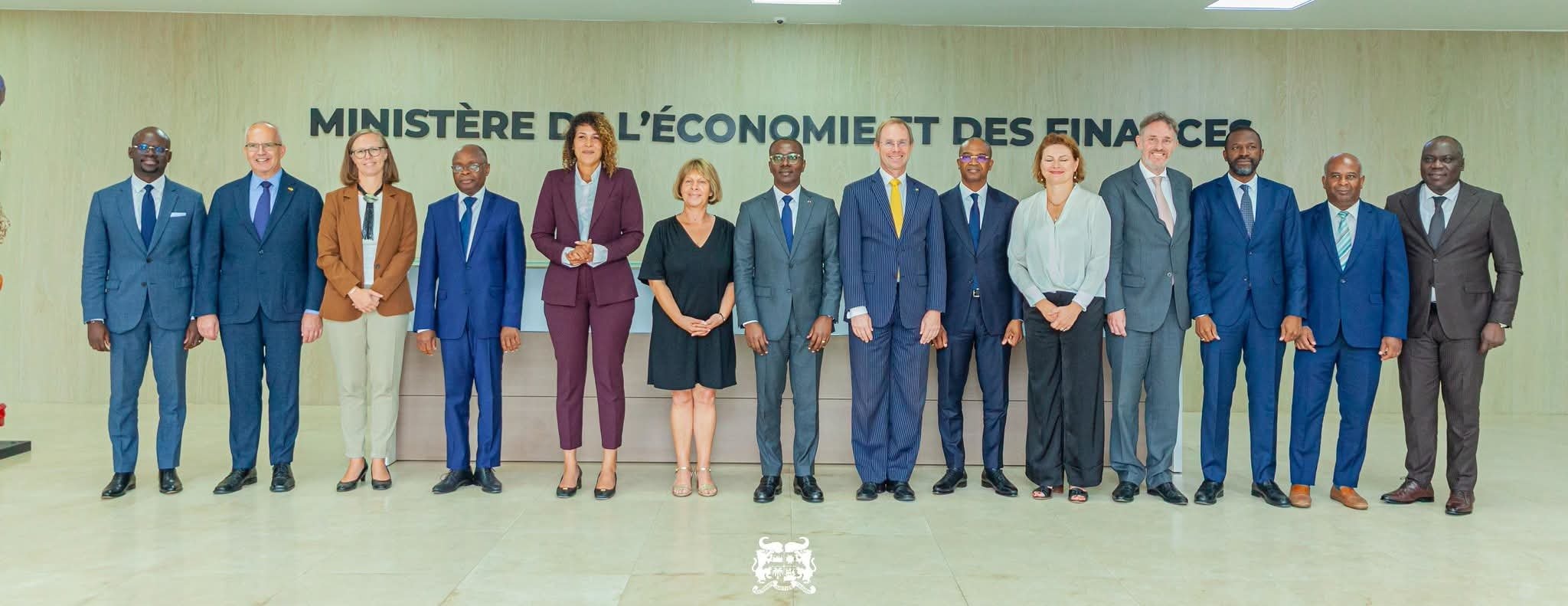
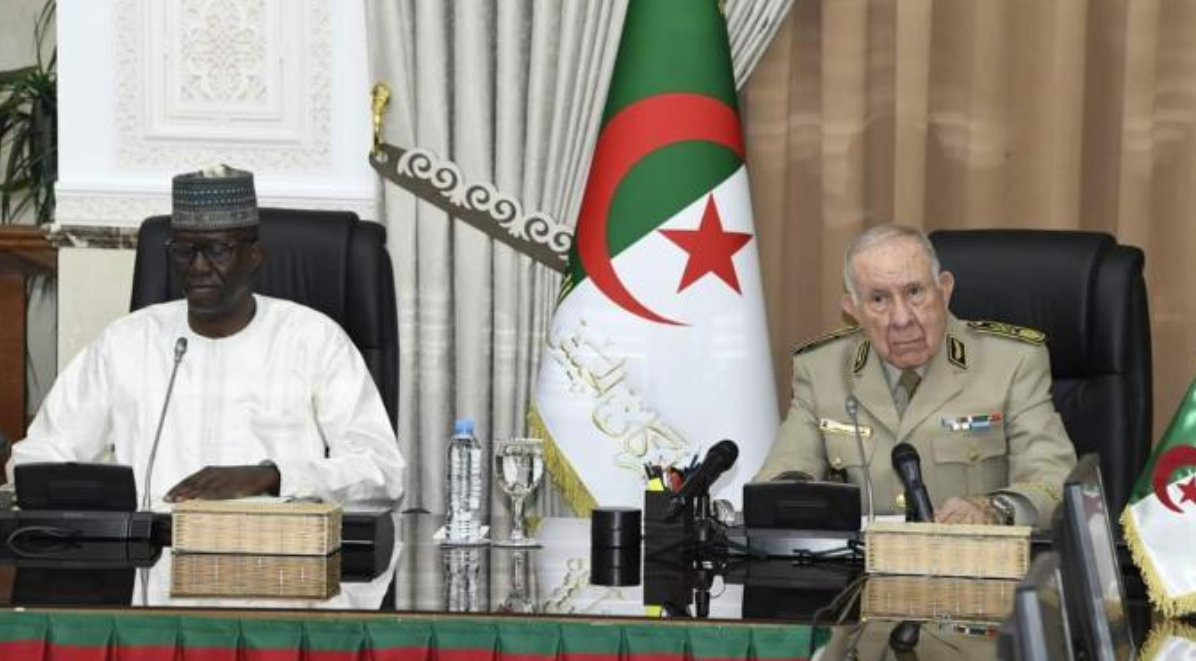
The historic meeting in Algiers brought together Nigeria’s Defense Minister, Salifou Modi, and Algeria’s top military leader, General Saïd Chanegriha. Their discussions culminated in the formal signing of a bilateral military cooperation protocol designed to strengthen collaboration across defense and security sectors. But beneath the ceremonial headlines lies a critical question: what does this deal actually entail for both nations—and for the wider Sahel region?
Why This Algeria-Niger Defense Pact Could Change the Game
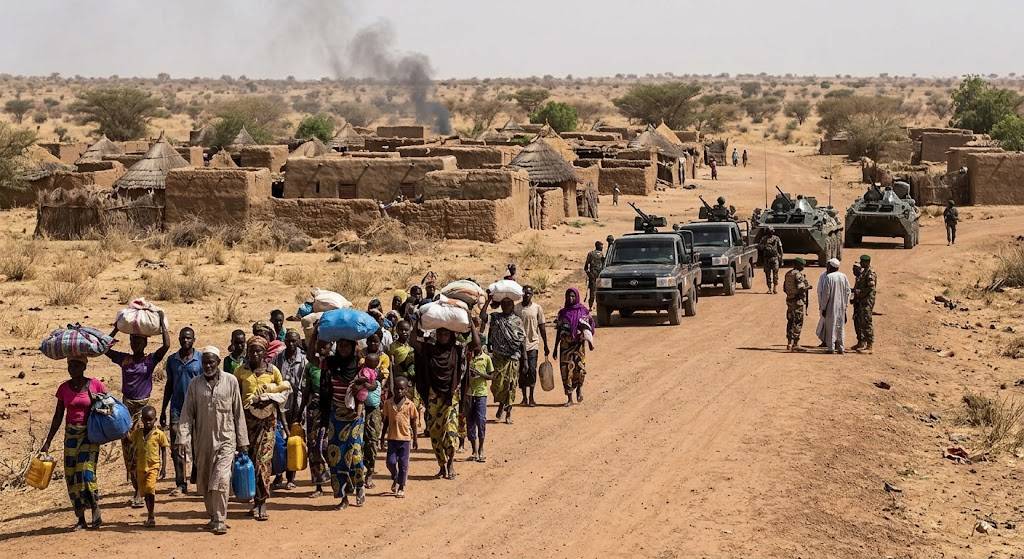
The timing of the agreement is no coincidence. Both Algeria and Niger face relentless security challenges, from armed groups operating near their shared borders to broader regional instability. For Algeria, securing its southern flank is a strategic priority. For Niger, countering violent extremism and cross-border threats has become a national imperative. By formalizing their partnership, the two countries are sending a clear message: they are ready to move beyond rhetoric and take concrete action.
What sets this pact apart is its potential to serve as a catalyst for deeper cooperation. Unlike previous agreements, which often remained on paper, this one introduces a structured framework for joint initiatives. The question now is whether it will translate into real operations on the ground—or remain another well-intentioned but vague commitment.
What the Agreement Doesn’t Reveal—and Why It Matters
While the official announcement emphasizes enhanced military and security coordination, the fine print of the protocol remains largely undisclosed. That raises concerns about transparency and accountability. What specific commitments have been made? Are there plans for joint military drills, intelligence-sharing mechanisms, or cross-border surveillance? Without these details, it’s impossible to assess whether the pact is merely symbolic or part of a larger strategy.
Some aspects of military agreements are kept confidential for legitimate security reasons. However, in this case, the lack of clarity extends beyond operational secrecy. The absence of public information about funding, timelines, or accountability measures makes it difficult to distinguish between serious commitments and diplomatic gestures.
- Budget and resources: How much funding is allocated to this initiative, and who will manage it?
- Implementation schedule: Are there defined milestones or phases for rolling out the agreement?
- Monitoring mechanisms: Will both countries establish joint committees to assess progress?
- Operational scope: Does the pact include provisions for intelligence exchange or coordinated patrols?
These uncertainties underscore a broader challenge: without clearer disclosures, the true potential of the Algeria-Niger defense pact remains uncertain.
Sahel Security in Limbo: How This Pact Fits Into a Bigger Picture
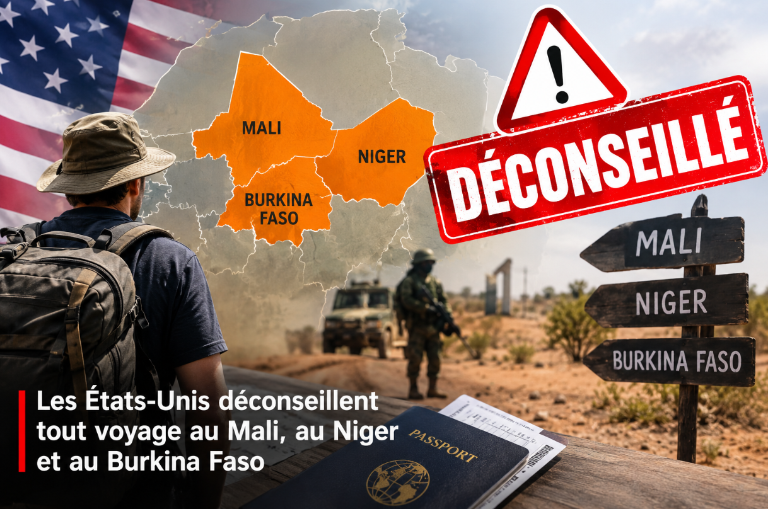
The Sahel is a region in flux. With shifting alliances and evolving threats, military cooperation agreements are under intense scrutiny. Niger, alongside Mali and Burkina Faso, forms part of the Alliance of Sahel States (AES), each pursuing its own security strategies. Algeria, meanwhile, has maintained a separate approach, prioritizing regional stability through bilateral partnerships.
In this context, the new Algeria-Niger pact could signal a new direction—or simply align with existing initiatives. While it strengthens ties between the two nations, it does not necessarily indicate a formal alliance or a break from other regional blocs. The critical factor will be how this pact interacts with other security frameworks in the Sahel.
What’s clear is that Algeria and Niger are positioning themselves to play a more active role in regional security. Whether this translates into tangible outcomes depends on the steps taken next. Will this pact lead to joint military operations? Will it influence broader security discussions across West Africa? For now, the answers remain elusive.
Diplomatic Signals: More Than Just a Military Handshake
The presence of Niger’s Defense Minister during his visit to Algiers—and the meeting with Algerian President Abdelmadjid Tebboune—highlights the political significance of this agreement. It underscores that defense cooperation is not just a technical matter but a strategic decision with far-reaching implications.
This move sends a message to other regional players, including external actors with interests in the Sahel. It signals that Algeria and Niger are willing to take ownership of their security challenges rather than relying solely on external support. But while the diplomatic optics are strong, the substance of the pact still needs to be proven.
Transparency as the First Step Toward Progress
The core issue surrounding this agreement isn’t its existence but its lack of clarity. To move from intention to action, Algeria and Niger must address the transparency gap. Publishing a summary of the pact’s objectives, implementation plans, and accountability mechanisms—while protecting sensitive operational details—would provide much-needed insight.
Such a move would allow analysts, policymakers, and the public to evaluate whether this pact is a groundbreaking initiative or another unfulfilled promise. It would also help determine if this is a milestone in Sahel security—or just another chapter in a long history of unmet commitments.
As the region continues to grapple with instability, the success of this pact may hinge less on the signing ceremony and more on the actions that follow. Only time will reveal whether Algeria and Niger have truly turned the corner—or if this is merely another step toward the same unresolved challenges.