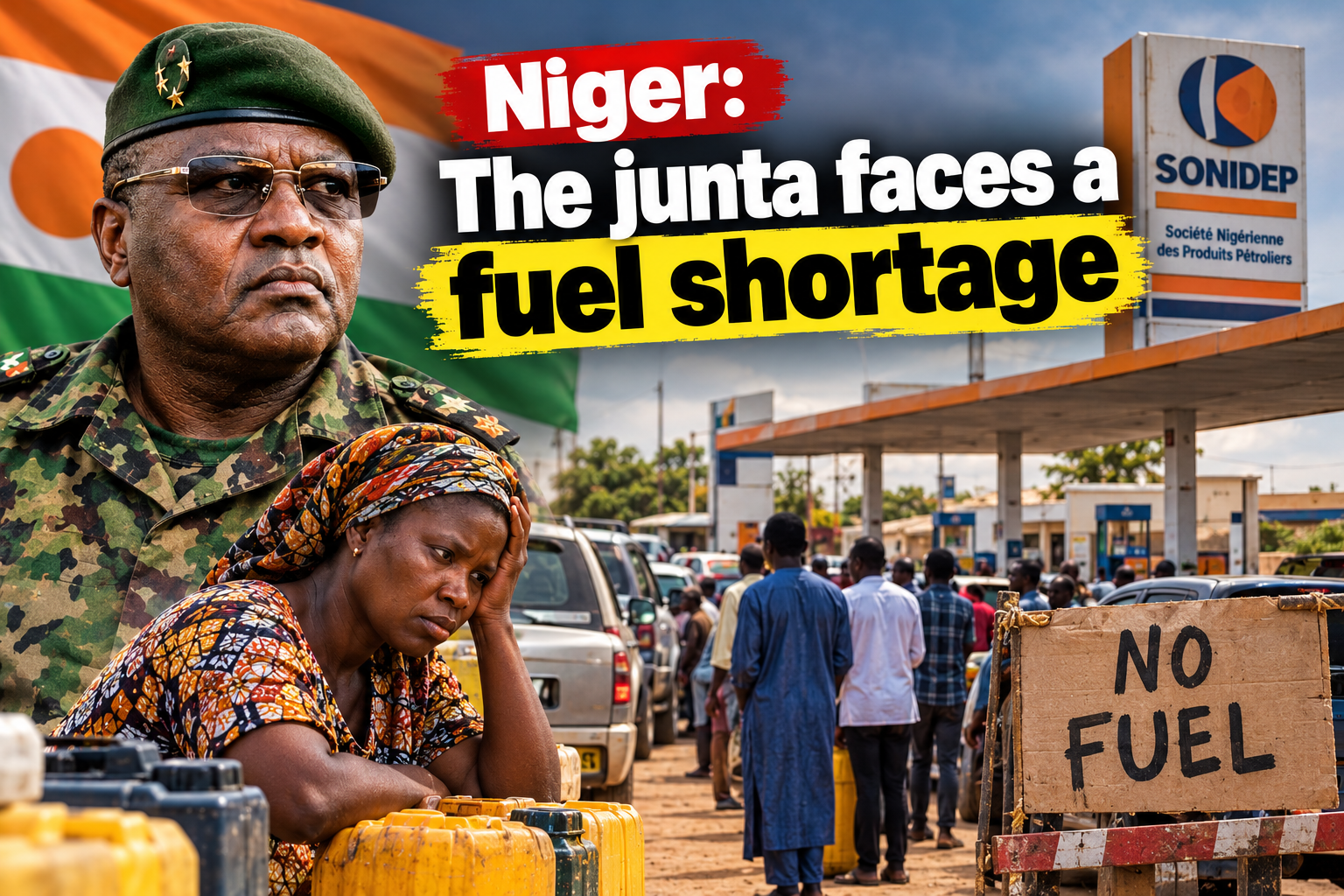
The impact of fuel shortages in Niger has reached a critical juncture, disrupting daily life in Niamey and straining an already fragile economy. For a country that produces oil, the inability to ensure a stable fuel supply raises pressing questions about energy sovereignty and governance.
From oil fields to empty pumps: the unseen breakdown
The paradox is stark: despite producing oil, Niger faces severe shortages of gasoline and diesel. This crisis, now gripping the capital, is not merely an inconvenience it has become a structural challenge threatening mobility, commerce, and public trust in the military-led authorities.
For taxi drivers, transporters, and small business owners, the lack of fuel means lost income and rising operational costs. Families, already grappling with economic hardship, now face longer commutes, higher transport fares, and uncertainty in every aspect of daily life.
Logistical hurdles and distribution bottlenecks
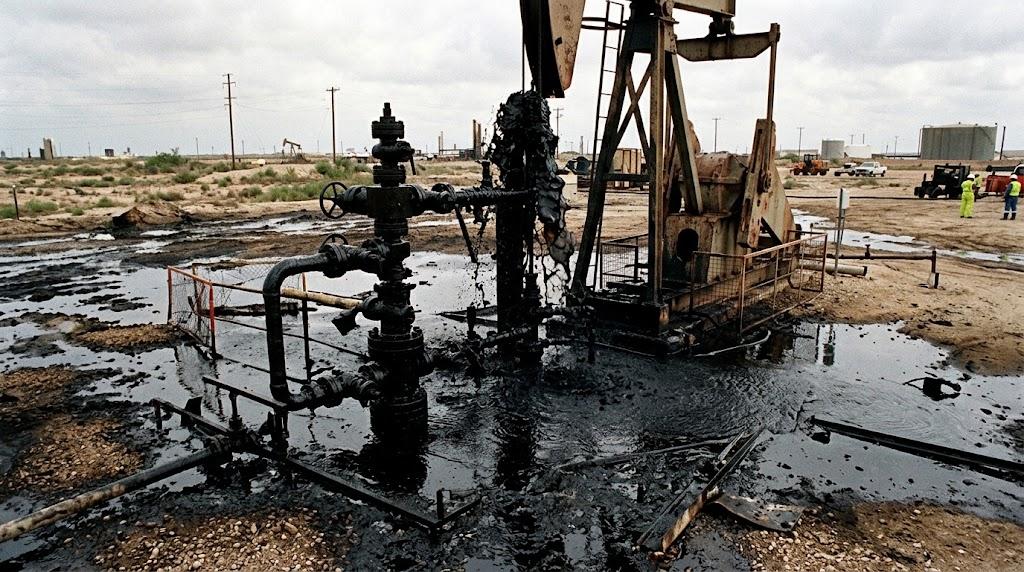
The root of the problem lies in the disconnect between oil production and fuel availability. While Niger’s oil fields generate wealth, the infrastructure for refining, storage, and distribution remains fragile. Price fluctuations, delayed shipments, or bottlenecks in the supply chain can all contribute to shortages, even when production levels are stable.
To resolve this, authorities must provide clarity on stock levels, refining capacities, and distribution timelines. Transparency is not just a political gesture it is a prerequisite for regaining public confidence.
Military governance under scrutiny: sovereignty beyond rhetoric
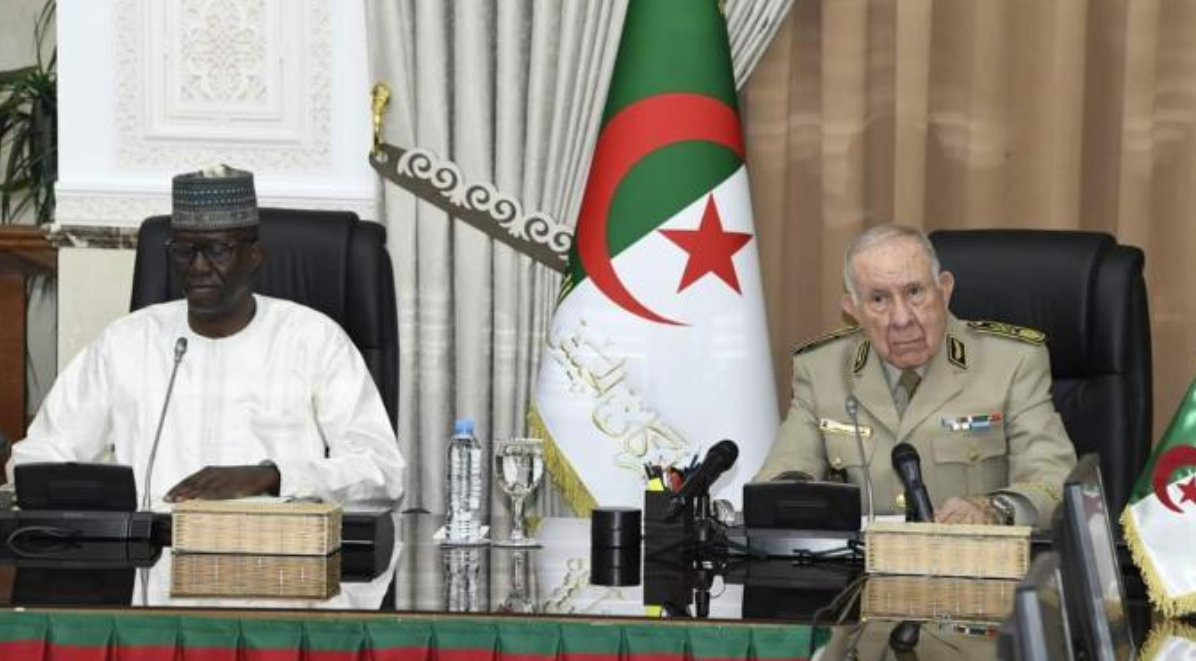
The junta, which assumed power in July 2023, has positioned energy sovereignty as a cornerstone of its legitimacy. Yet, the fuel crisis tests the limits of this promise. Citizens do not measure sovereignty by declarations alone but by tangible outcomes: reliable access to essential goods, functioning economic systems, and tangible improvements in their lives.
As frustration grows, so does the pressure on the government to demonstrate results. How can the authorities justify their economic ambitions when fuel a resource Niger produces remains inaccessible to the people who need it most?
Economic ripple effects: who bears the cost?
The consequences of fuel shortages extend far beyond gas stations. Shortages disrupt supply chains, inflate transport costs, and stifle small enterprises. For a country where informal trade and mobility are lifelines, these disruptions can deepen poverty and erode economic stability.
Workers, entrepreneurs, and households are the first to feel the strain, with everyday essentials becoming harder to afford. The longer the crisis persists, the greater the risk of social unrest and long-term economic damage.
From crisis to opportunity: breaking the cycle of dependence
Addressing the fuel shortage requires more than temporary fixes it demands structural reforms. Upgrading refining capacity, streamlining distribution networks, and investing in renewable energy alternatives could reduce dependence on imported fuels and enhance stability.
The junta faces a defining moment. It must move beyond rhetoric and deliver actionable solutions that restore public trust. For Niger, the path to true energy sovereignty begins with fixing what is broken not with promises, but with results.
By Thérèse Nguimfack — Journalist