Turning point in the Sahara: the Goumeri W8 gas leak exposes decades of industrial negligence
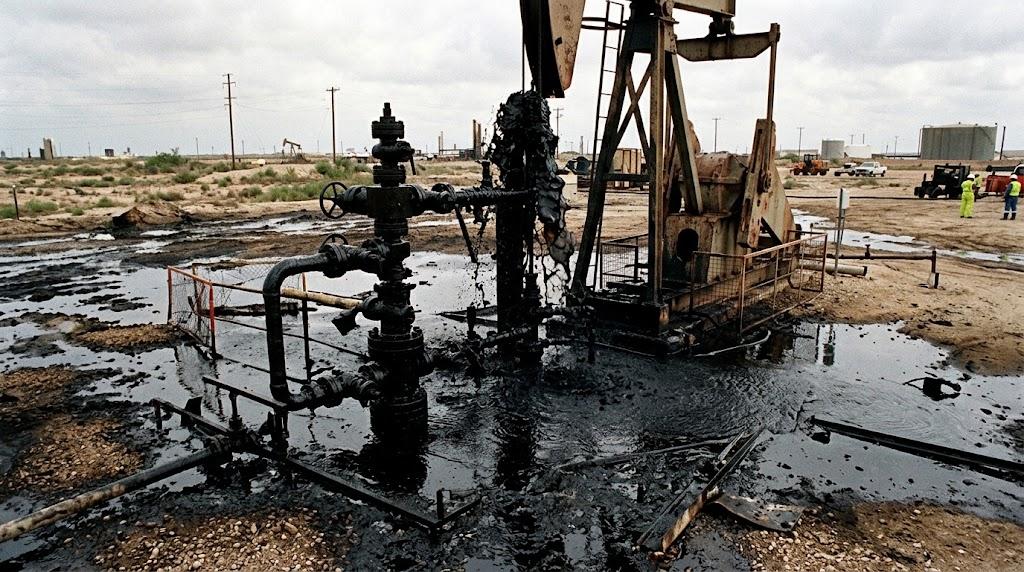
What began as a technical malfunction has spiralled into an environmental catastrophe of global significance. On September 25, 2026, a catastrophic blowout at the Goumeri W8 well—located deep in Niger’s Agadem oil block—unleashed a relentless gush of crude oil and toxic gases into the Sahara. For seventeen days, the silence from both industry and government allowed this disaster to grow unchecked.
By the time authorities finally acknowledged the emergency on October 12, over 17,000 tonnes of methane had already seeped into the atmosphere—a greenhouse gas with over 80 times the warming potential of carbon dioxide. The damage is done, but the question remains: who will be held accountable?
The 17-day blackout: a conspiracy of silence and industrial neglect
In the critical hours following the blowout, there was no public statement, no emergency response, and no transparency from CNPC (China National Petroleum Corporation), the Chinese state-owned operator of the well. Instead of immediate action, the company withdrew behind a wall of secrecy, failing to disclose the volume of hydrocarbons released or the extent of environmental contamination.
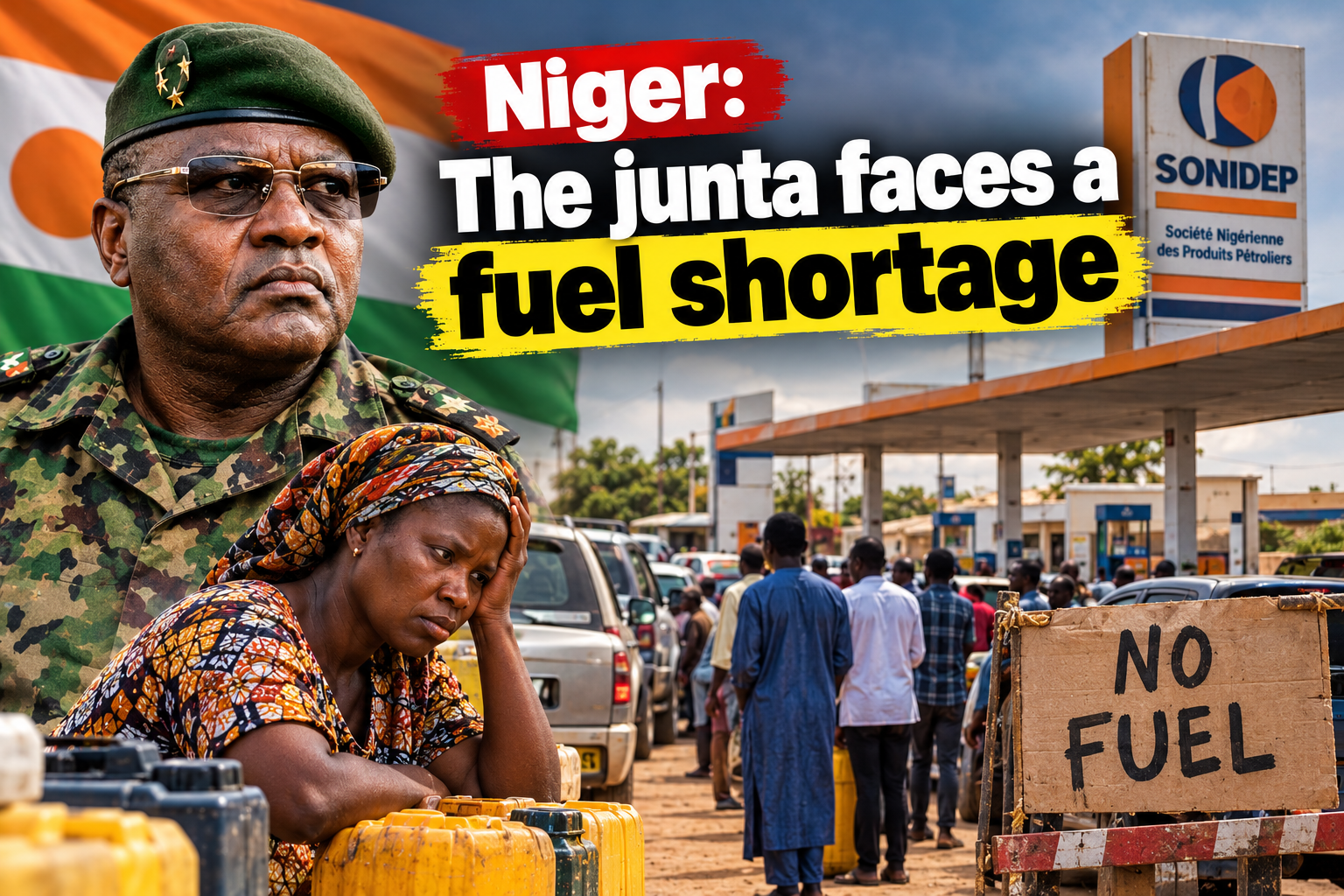
Niger’s government, for its part, remained equally silent for nearly three weeks. Only when satellite data from the European Copernicus programme confirmed the scale of the disaster did officials admit to an “exceptionally severe environmental incident.” Yet even then, key details—particularly the staggering methane emissions—were downplayed or omitted entirely.
This coordinated omerta is not an accident. It reflects a toxic pattern in which multinational oil companies operating in Africa prioritize profit over safety, and governments—desperate to meet aggressive oil production targets—turn a blind eye to violations of environmental standards.
False assurances and mounting evidence: why the methane leak refuses to slow
Despite official claims that the situation was “partially under control,” satellite observations tell a different story. The methane plume has not weakened since the blowout began. In fact, Copernicus data shows that the well has been releasing more than 40 tonnes of methane per hour—a rate that has turned the Sahara into a ticking climate bomb.
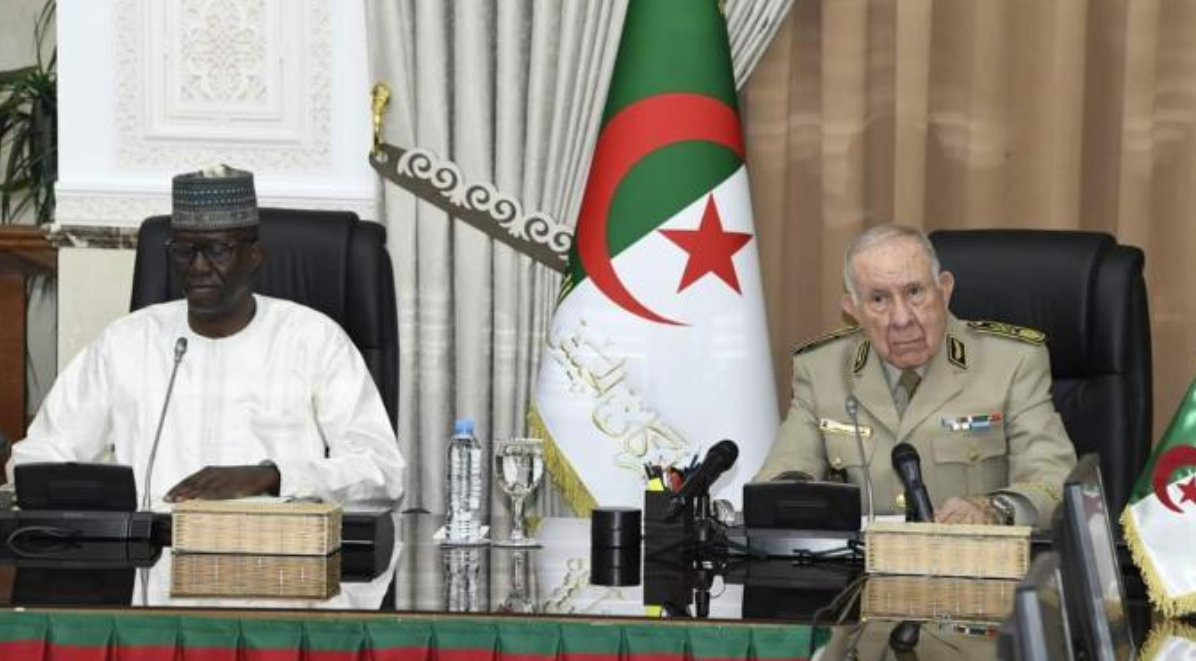
Meanwhile, the government’s belated intervention reveals a deeper truth: Niger lacks the technical and operational capacity to manage such a crisis. After weeks of fumbling, authorities were forced to call in experts from Algeria’s Sonatrach to drill a relief well—a desperate measure that underscores the country’s dependence on foreign assistance and its failure to invest in local expertise.
The human cost: two lives lost and a community in peril
Behind the abstract numbers and satellite images lies a human tragedy. Two workers were severely injured in the initial explosion, victims of an industry that values barrels over lives. Their suffering is a stark reminder of the real-world consequences of unchecked oil extraction.
But the danger extends far beyond the well site. The methane cloud now drifts silently across the desert, threatening to exacerbate respiratory illnesses, contaminate local water sources, and accelerate climate change. The Sahara, a region already vulnerable to desertification, is being pushed to its breaking point.
From Agadem to the world: how Niger’s oil ambition threatens the planet
This disaster was not inevitable—it was engineered. To meet its goal of producing 90,000 barrels per day for export via the Benin pipeline, Niger has pursued an aggressive oil expansion strategy, sidelining safety protocols and environmental safeguards. The result? A preventable catastrophe that has turned the desert into an open-air toxic waste site.
CNPC, like many multinational oil corporations, operates in a regulatory void where accountability is weak and penalties are non-existent. While profits flow to shareholders overseas, the health of local communities and the stability of the planet pay the price.
The Goumeri W8 blowout is more than an industrial accident—it is a wake-up call. It exposes the myth of “responsible” oil extraction in Africa and forces us to confront a brutal truth: the world cannot afford to treat the Sahara as a sacrifice zone.
What happens next? Accountability delayed is justice denied
The road to recovery begins with transparency. Niger’s government must release full data on the spill, including exact volumes of methane released and a clear assessment of health and environmental impacts. CNPC must be held financially and legally responsible for the damage it has caused.
But this crisis also demands structural change. Africa’s oil-dependent nations must rethink their energy strategies, investing in renewable alternatives and rejecting extractivist models that prioritize short-term gains over long-term survival. The Sahara is not a sacrifice zone—and neither is the planet.