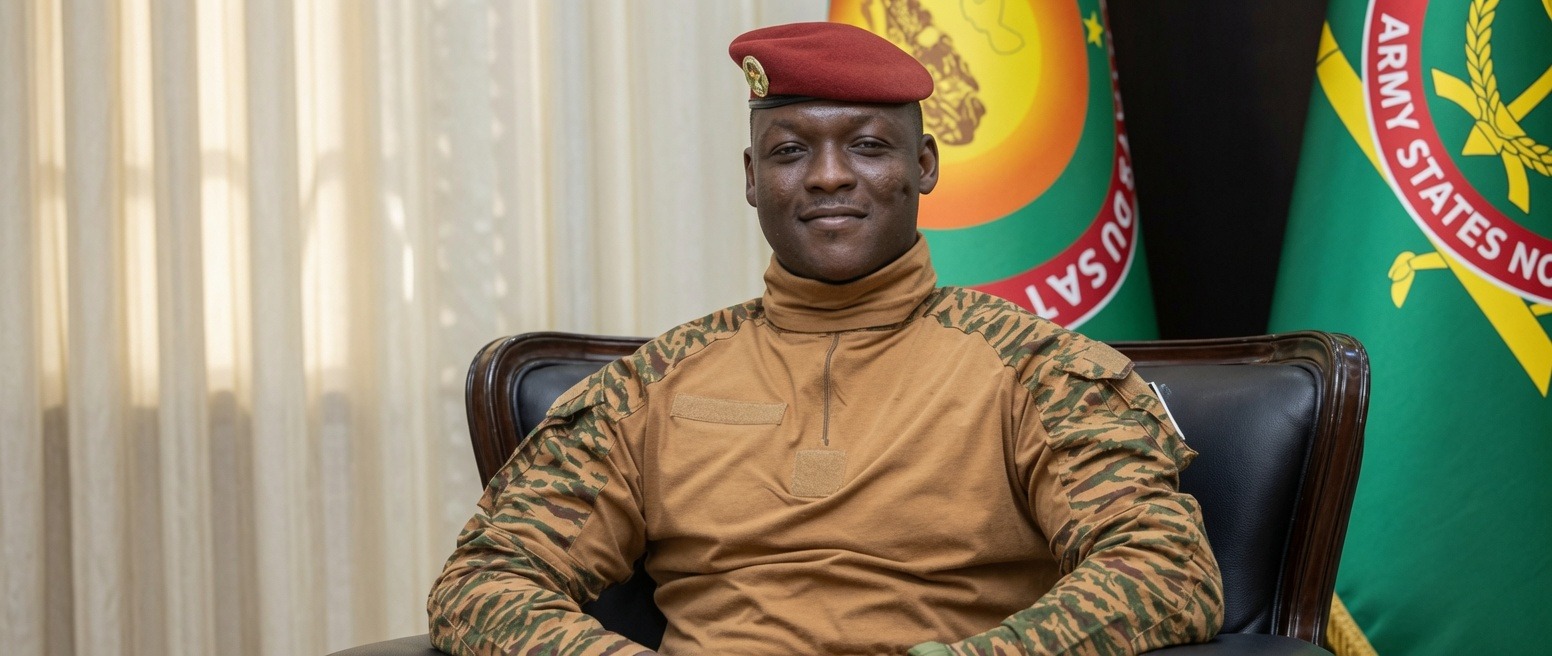
In a dramatic shift away from its struggling partnership with Russia, Burkina Faso has launched urgent diplomatic overtures toward Turkey to bolster its flailing security framework. The turning point came during the inaugural Bilateral Political Consultations in Ankara on October 20, 2026, where Burkinabè officials made a fervent case for a rapid defense and security pact with Ankara.
The high-stakes gamble follows years of unmet promises from Moscow, as the Burkinabè junta now confronts a harsh truth: the Russian alliance has failed to deliver the decisive military advantage anticipated when the partnership was forged. With insurgent violence escalating and territorial control slipping, Ouagadougou is racing to secure alternative backing before the crisis spirals further out of control.
From Moscow’s promised victory to Ankara’s conditional support
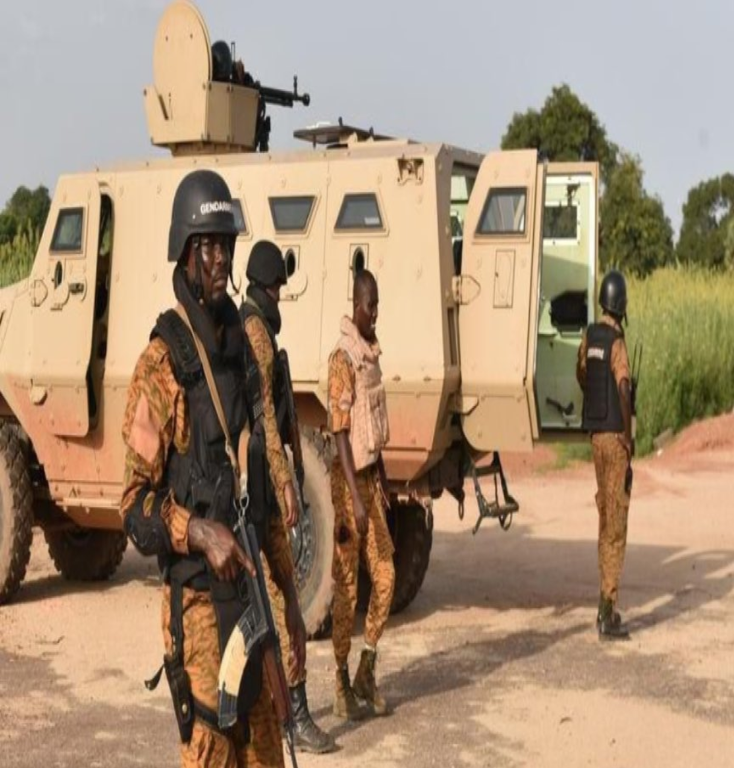
The initial pivot toward Russia in 2023 was marketed as a game-changer—promising swift territorial recovery and a crushing blow to jihadist factions. Yet, the reality has starkly contrasted these lofty ambitions. Despite the influx of Russian paramilitary instructors and an array of military hardware, terrorist attacks have surged, key regions remain under siege, and civilian casualties continue to mount. The once-heralded Russian expertise has proven insufficient against the complex, decentralized threats plaguing the Sahel.
Faced with this impasse, Burkina Faso’s transitional authorities have abandoned their earlier sovereign rhetoric, acknowledging that no single partner—no matter how vocal their assurances—can single-handedly reverse the tide of insecurity. The push for Turkish involvement signals not just a search for new capabilities but a quiet admission of defeat in the Kremlin’s once-sacred war strategy.
Ankara’s leverage in Burkina Faso’s hour of need
Led by Ambassador Hermann Yirigouin Toé, Burkina Faso’s delegation did not hide its urgency during the Ankara talks. The discourse was less about strategic partnership and more about securing tangible military assistance, with Ankara’s combat-proven drones emerging as a prime area of interest. For a regime struggling to regain public trust, the appeal to Turkey reflects a desperate bid for external credibility—one that the junta hopes will translate into real battlefield gains.
Turkey’s rise as a preferred defense supplier in Africa stems from its practical approach to security challenges and the adaptability of its arsenal to regional conflicts. Ankara’s UAVs, already deployed effectively in neighboring theaters, offer Burkina Faso a potential lifeline: a chance to monitor insurgent movements, conduct precision strikes, and disrupt supply lines. Yet, this assistance will not come without conditions, as Ankara is likely to demand political concessions in return.
Why Burkina Faso’s sovereignty-first approach backfired
The junta’s initial refusal to engage with traditional Western partners in favor of an exclusivist alliance with Russia has proven costly. By rejecting multi-pronged security collaborations, Burkina Faso boxed itself into a corner where options were limited to either Russian support or total isolation. The failure to stabilize the country under Moscow’s tutelage has left Ouagadougou with little recourse but to seek Ankara’s aid—despite Ankara’s own history of pragmatic realpolitik in Africa.
This strategic miscalculation underscores a harsh lesson: ideology alone cannot secure borders. The Burkina Faso experience serves as a cautionary tale for other Sahel nations teetering between geopolitical posturing and the harsh demands of counterinsurgency warfare.
What’s next for Burkina Faso’s security gamble?
The coming months will determine whether Turkey’s involvement can reverse Burkina Faso’s downward spiral. While Ankara’s hardware and expertise may provide short-term relief, long-term stability will require addressing root causes of the conflict—governance deficits, economic despair, and regional jihadist alliances. Without a comprehensive approach, Burkina Faso risks trading one failing strategy for another, merely redirecting its dependency from one foreign patron to the next.
One thing is clear: the era of fait accompli alliances is over. In the unforgiving landscape of the Sahel, Burkina Faso’s leaders have finally acknowledged that no single partner, no matter how powerful, can replace the need for sustainable, inclusive security solutions.