Prime Minister Giorgia Meloni’s government takes bold action amid escalating urban violence
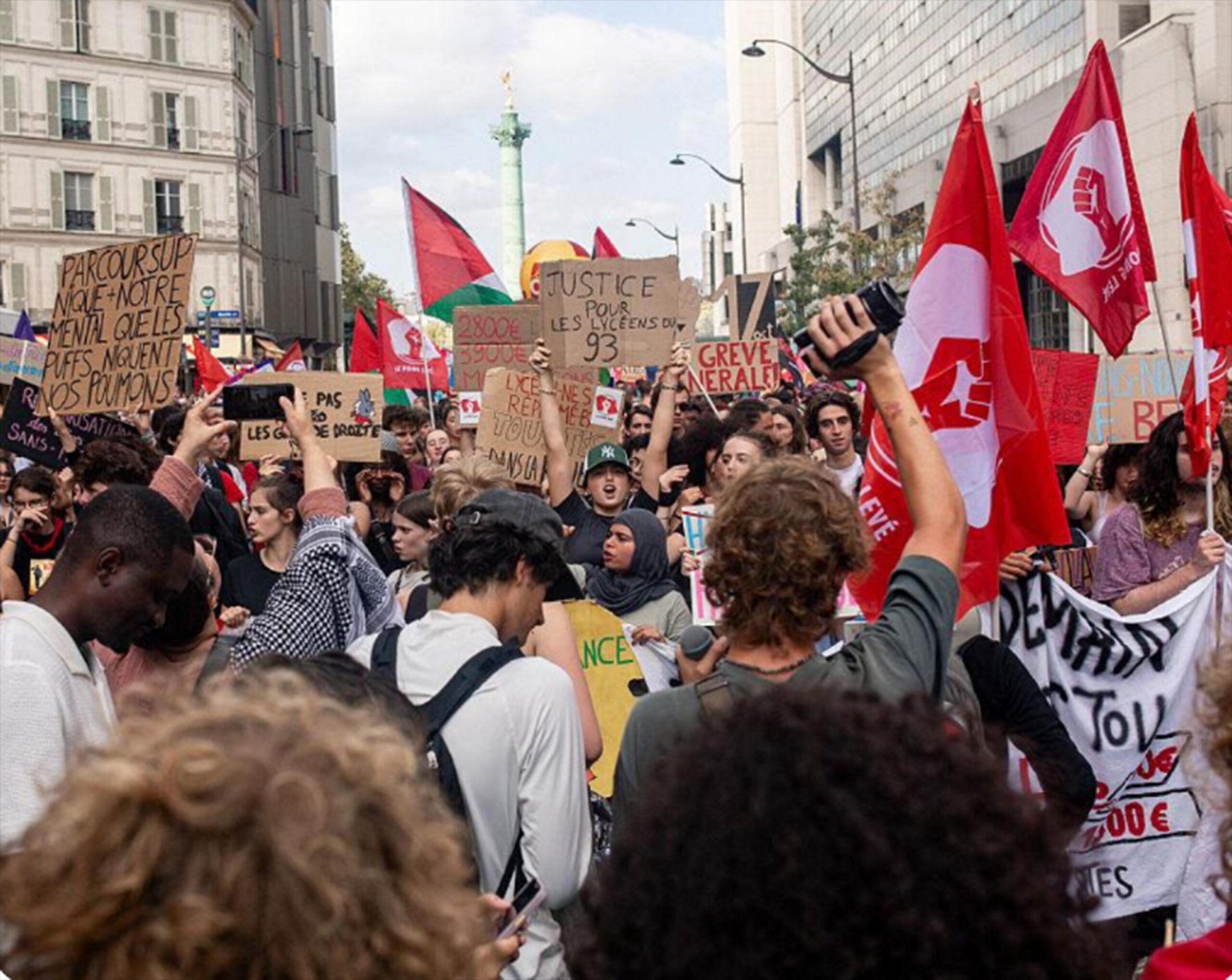
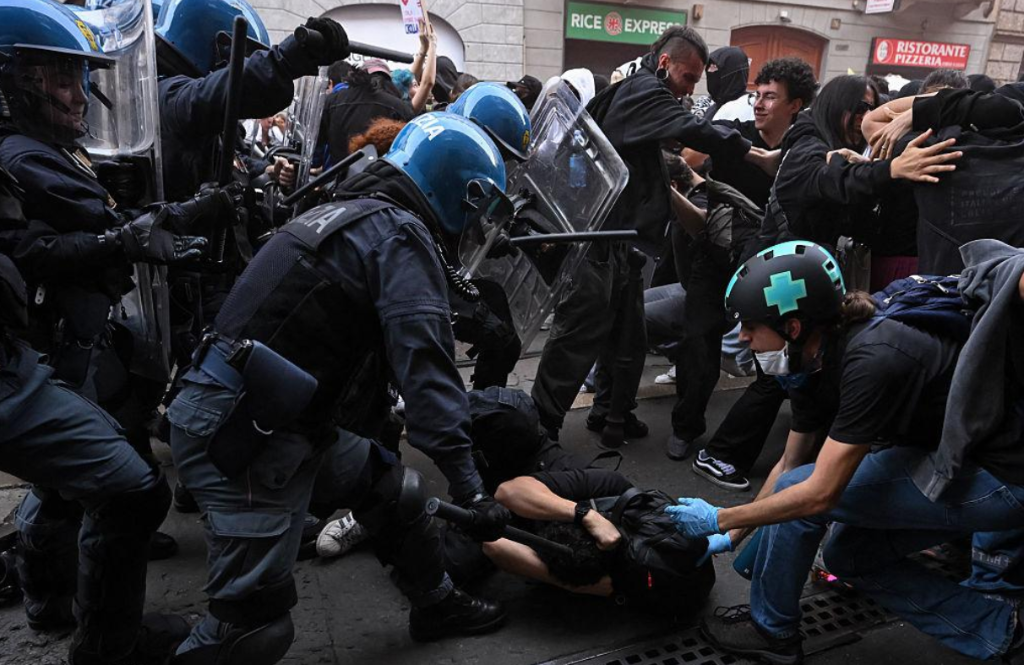
In a decisive turn to address the surge in urban violence gripping Italy, Prime Minister Giorgia Meloni’s government has approved a sweeping new security decree, marking a pivotal moment in the nation’s approach to law and order. The move follows a weekend of intense unrest in Milan and other northern cities, where riots, looting, and clashes with police left a trail of destruction. From Milan to Turin, the country now stands at a turning point, where decisive action meets a growing debate over public safety versus individual freedoms.
Why Italy is tightening its grip on urban violence
The new decree, approved by the Council of Ministers on October 20, 2026, introduces harsher penalties for collective violence, financial accountability for parents of juvenile offenders, and expanded police powers. The government argues that the escalation of violence—including organized attacks, vandalism, and assaults on law enforcement—demands a stronger response. But the measures go beyond mere punishment, targeting the root causes of unrest while sparking wider discussions about justice and responsibility.
Giorgia Meloni has been unequivocal in her stance: “Violence has no place in our society,” she declared, drawing a clear line between the right to protest and the criminal acts that have marred recent demonstrations. The decree reflects her administration’s determination to restore order, but at what cost?
Stricter penalties for collective violence: a deterrent with teeth
New legal consequences for organized unrest
The decree introduces a specific offense for participating in violent collective actions. Individuals involved in groups of five or more who endanger public safety now face up to five years in prison and fines of up to €20,000. Penalties escalate for those who conceal their identities or cause injuries, sending a strong message that organized violence will not be tolerated. The government is also cracking down on those who orchestrate such events, whether in person or online.
According to the Minister of Justice, Carlo Nordio, promoting or organizing violent gatherings could result in prison sentences ranging from four to twelve years. “We are targeting not just the perpetrators on the ground, but the voices behind the chaos,” he stated. The move is designed to dismantle the networks that fuel unrest, whether through digital platforms or physical coordination.
Holding families accountable: a controversial step forward
Financial and legal responsibility for parents
The decree extends its reach to the families of juvenile offenders. Parents of minors over 14 involved in violence may now be held financially liable for damages caused by their children, including looting and destruction. Authorities will seek compensation for property losses, aiming to shift the burden of responsibility from the state to the family unit.
Additionally, the government has eased the path to prosecution for adolescents aged 14 to 17, expanding the use of preventive detention when minors are deemed a threat. The goal? To deter repeat offenses and ensure that juveniles face consequences for their actions while giving authorities tools to intervene before violence escalates.
Yet, this approach raises ethical questions: Can families truly be held accountable for the actions of their children? How will judges balance justice with proportionality?
Milan as the frontline: military reinforcement and public order
500 Additional troops deployed to restore calm
Milan, the epicenter of the recent violence, has become a testing ground for the government’s new security strategy. In a bid to restore order, 500 military personnel have been deployed to the city under Operation *Strade Sicure* (*Safe Streets*), joining police forces to monitor high-risk areas. The move underscores the government’s commitment to visible deterrence and rapid response in urban centers.
The unrest that swept through Milan’s streets was not just about vandalism—it reflected deeper frustrations over economic hardship, soaring energy prices, and rising living costs. While the government insists that violence cannot be justified by economic grievances, critics argue that a purely punitive approach fails to address the underlying issues fueling public anger.
Security vs. freedom: where does Italy draw the line?
A debate that refuses to fade
This decree is the latest in a series of security measures introduced since Meloni took office in 2022, sparking heated debates over the balance between public safety and civil liberties. Concerns have been raised about the expansion of police powers, the detention of minors, and the risk of disproportionate penalties. Critics, including some police unions, warn that these measures could erode democratic freedoms in the name of order.
The government, however, has walked back some of the most contentious proposals—such as granting military personnel broader policing powers in Milan—amid pushback from legal and institutional circles. The decree is now in effect, but its long-term fate hinges on parliamentary approval within the next 60 days.
What lies ahead: effectiveness and long-term impact
Will the crackdown bring lasting change?
The government’s tough stance raises critical questions about its long-term effectiveness. Will harsher penalties deter future violence, or will they fuel further unrest? Can financial penalties for parents truly alter behavior, or do they risk penalizing already struggling families? And most importantly, can Italy’s democracy withstand the pressure of a security-first approach without compromising its core values?
As the country grapples with these challenges, one thing is clear: Italy has reached a turning point. The success of this policy will hinge not just on its immediate impact on public order, but on whether it can address the root causes of urban violence while maintaining the delicate balance between security and freedom.
For now, the streets of Milan and other cities will remain under intensified surveillance—a visible symbol of the government’s determination. But the real test will come when the dust settles, and the nation assesses whether this decisive crackdown has truly restored peace or merely ignited a new chapter of unrest.