Cameroun’s Anglophone Crisis Hits Critical Juncture: Lawyer’s Unyielding Call for Negotiation
The Cameroonian government faces its sternest test yet as human rights lawyer Felix Agbor Balla escalates his campaign for dialogue, warning that continued refusal to engage could push the nation past its tipping point. In a bold departure from his prior cautious approach, Balla now frames negotiation not as concession but as strategic necessity—one that could either stabilize or further destabilize the embattled Northwest and Southwest regions.
From Legal Battles to Political Pressure: Balla’s Strategic Pivot
For years, Felix Agbor Balla has waged legal and advocacy campaigns to address the grievances fueling Cameroon’s Anglophone crisis. His organization, the Centre for Human Rights and Democracy in Africa (CHRDA), documented systematic abuses and pressed for accountability. Yet despite mounting evidence of military overreach and civilian suffering, Yaoundé remained steadfast in its refusal to open formal channels with separatist leaders.
Now, Balla’s rhetoric has sharpened. He argues that the government’s insistence on military solutions has not only failed to quell unrest but actively deepened the humanitarian emergency. With villages torched, schools shuttered, and hundreds of thousands displaced, the crisis has entered its most dangerous phase—a turning point where continued inaction risks irreversible consequences for national unity.
Humanitarian Collapse and Economic Strain: The Cost of Delay
The Anglophone regions—once economic engines through agriculture, tourism, and education—now reel under severe decline. Markets lie dormant, health facilities operate under extreme duress, and a generation of children faces a lost future. Aid agencies report food shortages affecting over 1.3 million people, while trade routes remain choked by blockades and insecurity.
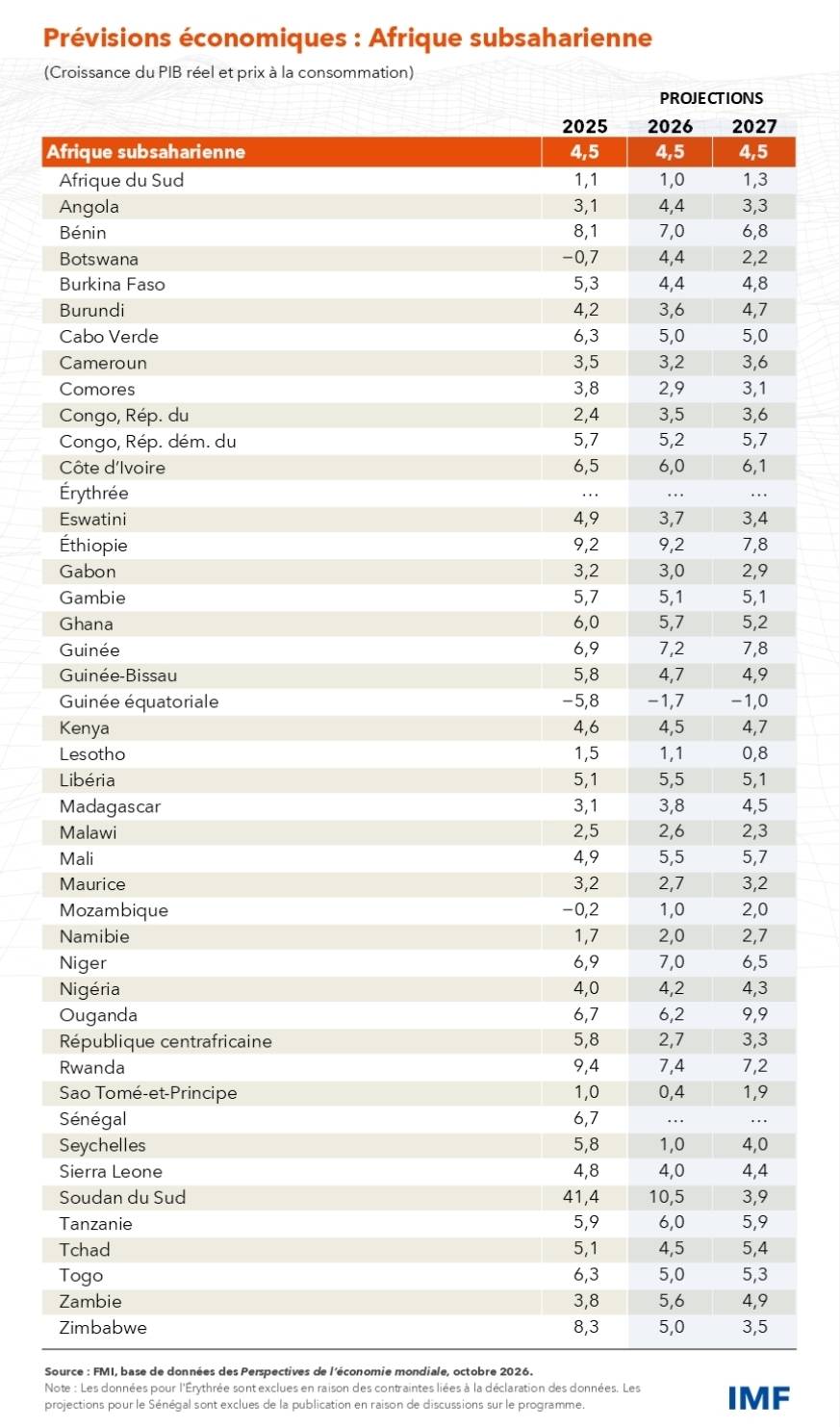
The economic toll is equally severe. Cameroon’s GDP growth has slowed from 4.1% in 2016 to an estimated 3.2% in 2024, with the Anglophone zones contributing disproportionately to the downturn. Businesses, both local and foreign, have scaled back operations, citing unstable conditions and unreliable infrastructure. The International Monetary Fund has warned of long-term scars if the crisis persists without resolution.
Why Dialogue Is No Longer Optional
Balla’s insistence on dialogue reflects a growing consensus among civil society, regional blocs, and some international observers: this conflict cannot be resolved through force alone. Separatist factions, though fractured, remain entrenched, and their rhetoric has hardened with each military operation. Meanwhile, the government’s repeated military crackdowns have eroded trust and fueled recruitment into armed groups.
In a recent statement, Balla declared, “Dialogue is not a sign of weakness—it is the only tool strong enough to prevent total fragmentation.” He points to similar resolution models, such as the Good Friday Agreement in Northern Ireland, which used structured negotiations to end decades of conflict. Yet such comparisons are met with skepticism in Yaoundé, where officials continue to dismiss separatist figures as “terrorists” unworthy of engagement.
What the Government Fears—and What It Must Accept
The regime’s reluctance to negotiate stems from multiple fears: loss of control, international criticism, and the precedent of ceding to regional demands. Yet Balla counters that the real danger lies in perpetuating a stalemate that benefits only extremists on both sides. “A dialogue under international auspices—mediated by the African Union or UN—could isolate spoilers and create space for compromise,” he argues.
He calls for a multi-tiered process: immediate humanitarian ceasefires, prisoner exchanges, and a roadmap toward inclusive constitutional reforms. “The government must recognize that the status quo is unsustainable,” Balla asserts. “Every day without dialogue is a day closer to irreversible damage.”
Civil Society Mobilizes: From Silence to Solidarity
The call for dialogue has gained unexpected momentum from an alliance of church leaders, trade unions, and youth activists. In late 2024, a coalition including the Catholic Church and the Cameroon Bar Association issued a joint statement urging Yaoundé to “end the cycle of violence and begin talks in good faith.” Their pressure, coupled with Balla’s advocacy, has shifted the narrative from military suppression to urgent negotiation.
Public opinion is also turning. Polls indicate that over 60% of Cameroonians now favor dialogue over continued confrontation—a sharp rise from just 35% in 2020. The shift reflects growing exhaustion with war and a desire for normalcy, especially in urban centers like Douala and Yaoundé, where tensions remain high but direct violence is lower.
Can Cameroon Turn the Tide?
The path ahead is fraught but not impossible. Successful models—from Colombia’s peace process to South Africa’s Truth and Reconciliation Commission—show that even intractable conflicts can yield to structured negotiation. What Cameroon lacks is not resources or political will, but the courage to begin.
As Balla warns, “History will judge us not by how long we fought, but by how soon we chose to stop.” With the crisis now in its tenth year, the time for decisive action is not tomorrow—it is today.