From regional underdog to growth champion: Benin’s decisive turnaround
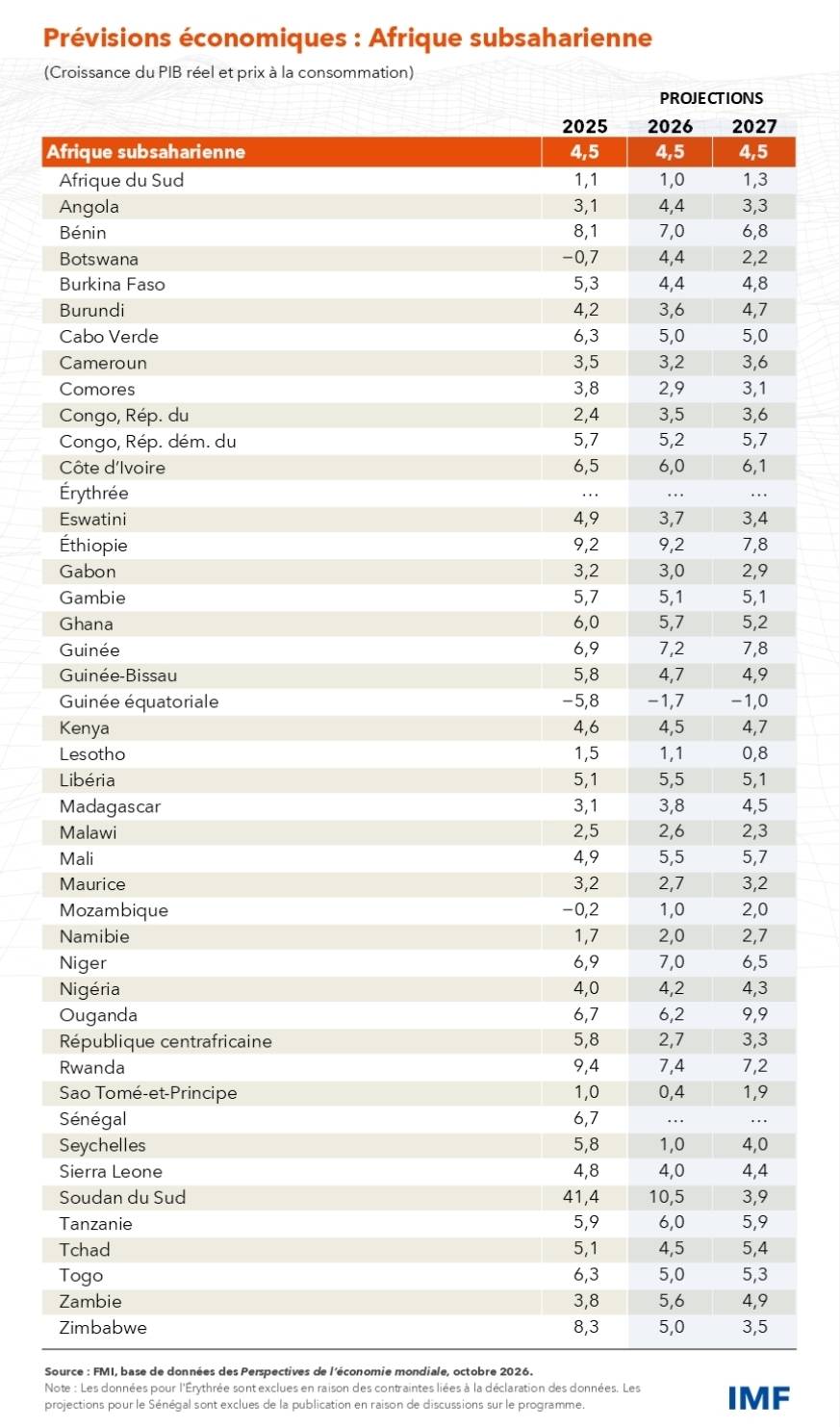
West Africa has long been characterized by uneven economic performances, but Benin is bucking the trend with remarkable momentum. The country’s projected economic growth of 6.8% in 2027 marks not just a continuation, but a decisive turning point one that sets it apart as the region’s fastest-growing major economy. As other nations grapple with sluggish recovery and external pressures, Benin’s trajectory signals a strategic shift toward sustainable expansion and global competitiveness.
Beyond the numbers: what drives Benin’s sustained performance?
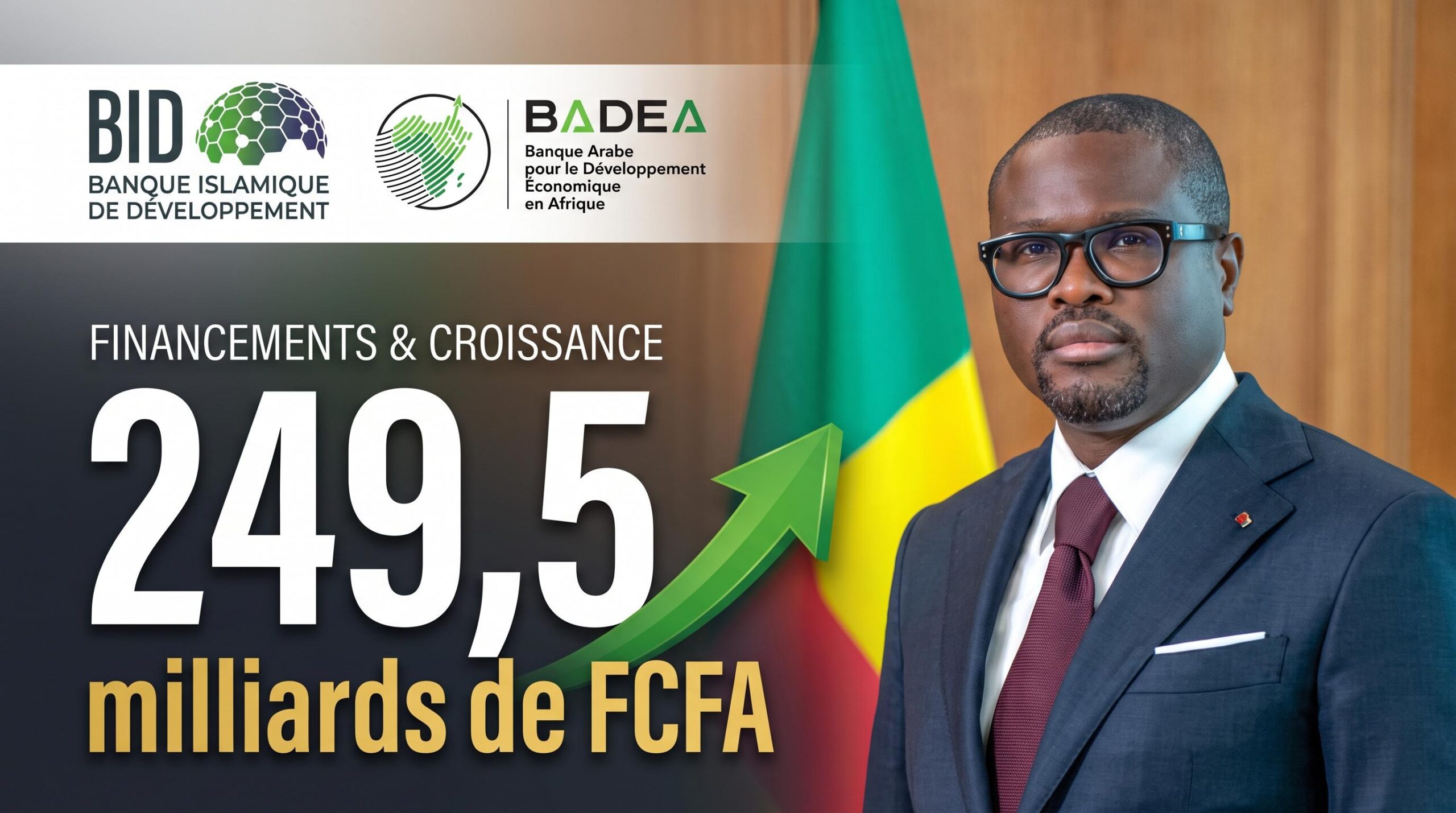
The International Monetary Fund’s latest projections confirm Benin’s exceptional growth: after an 8.1% expansion in 2025, the economy is expected to grow by 7% in 2026 and 6.8% in 2027. These figures stand far above the regional average of 4.5% for Sub-Saharan Africa, placing Benin among the continent’s top three performers and the only West African nation in that elite group.
This performance is not accidental. Behind the numbers lies a deliberate strategy of economic modernization, infrastructure investment, and policy continuity. Agriculture reforms, the expansion of port facilities, and increased regional trade have all contributed to strengthening the backbone of the economy. Meanwhile, public-private partnerships continue to inject vitality into key sectors such as energy, transport and digital services.
Export diversification and industrialization take center stage
The pillars of Benin’s growth story extend beyond traditional trade. The country has significantly expanded its non-oil exports, particularly in cotton, cashew nuts, and textiles sectors that are not only labor-intensive but also resilient to global price volatility. Simultaneously, light manufacturing and agro-processing industries are gaining ground, creating new opportunities for youth employment and value addition.
A key factor in this transformation has been the modernization of the Port of Cotonou, which now serves as a pivotal logistics hub for landlocked neighbors. Efficient customs processes and enhanced connectivity have reduced transit times and costs, enabling Benin to capture a larger share of regional trade flows.
The human equation: growth that reaches beyond GDP
While GDP growth grabs headlines, its true measure lies in its impact on people. Benin’s leadership has repeatedly emphasized that economic expansion must translate into tangible improvements: higher wages, better services, and equitable access to opportunities. Yet challenges remain.
High unemployment especially among young graduates poses a significant risk. Despite strong macroeconomic gains, underemployment persists, and informal labor still dominates. Expanding vocational training programs and fostering entrepreneurship are critical steps to ensure that growth is inclusive and sustainable.
Inflation control also remains a focus. While price increases have stabilized, ensuring affordable access to food and essential goods is vital, particularly in rural areas. Agricultural productivity improvements and food security initiatives are central to addressing this gap.
Regional ripple effect: can Benin’s model inspire reform?
Benin’s sustained rise is not merely a national success it’s a regional catalyst. As the only West African economy among Africa’s top three fastest-growing, it sets a compelling example for neighboring countries mired in slower growth or fiscal constraints.
The lessons are clear: continuity in economic policy, investment in infrastructure, and strategic diversification can yield real dividends. Countries like Ghana, Nigeria, and Côte d’Ivoire are watching closely, analyzing whether Benin’s approach rooted in public-private collaboration and sectoral innovation can be adapted to their own contexts.
Still, imitation alone won’t suffice. What sets Benin apart is not just its growth rate, but the coherence of its development vision. The government has aligned national resources with long-term goals: reducing poverty from 40% to 32% by 2027, improving access to electricity, and expanding rural infrastructure. These targets are ambitious, but they reflect a leadership committed to turning growth into prosperity for all.
Looking ahead: sustaining the momentum
The road ahead demands vigilance. External shocks fluctuating commodity prices, global trade tensions, and climate variability pose constant threats. Benin’s ability to maintain its growth trajectory will depend on its resilience in the face of these challenges.
Investment in renewable energy and climate-smart agriculture is no longer optional; it’s essential. Strengthening regional integration through the African Continental Free Trade Area (AfCFTA) offers a path to deeper market access and industrial collaboration. Meanwhile, fiscal discipline and transparency remain non-negotiable to maintain investor confidence.
As Benin prepares to host regional economic forums in 2027, the spotlight is on its ability to translate today’s growth into tomorrow’s stability and shared wellbeing. If successful, it may not only redefine its own future but that of West Africa as a whole.
By Thérèse Nguimfack — Journalist