Breaking new ground in Sahel security cooperation
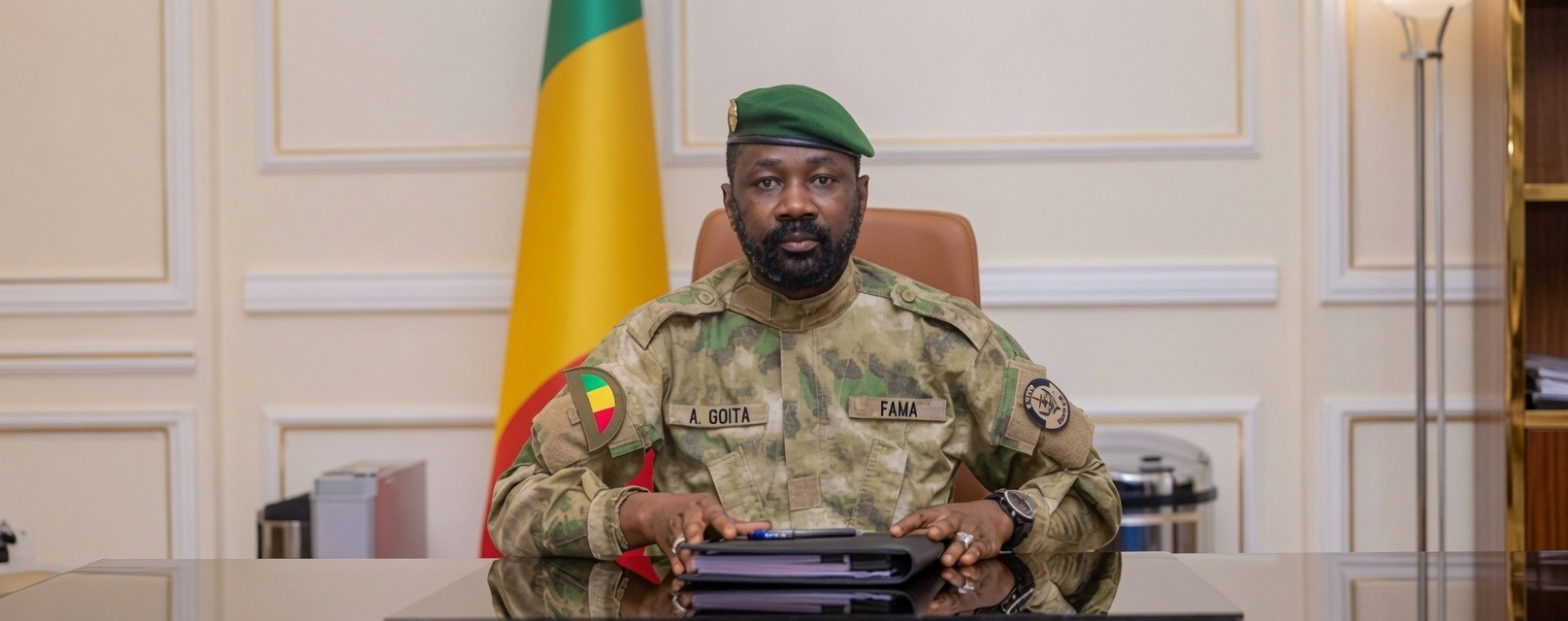
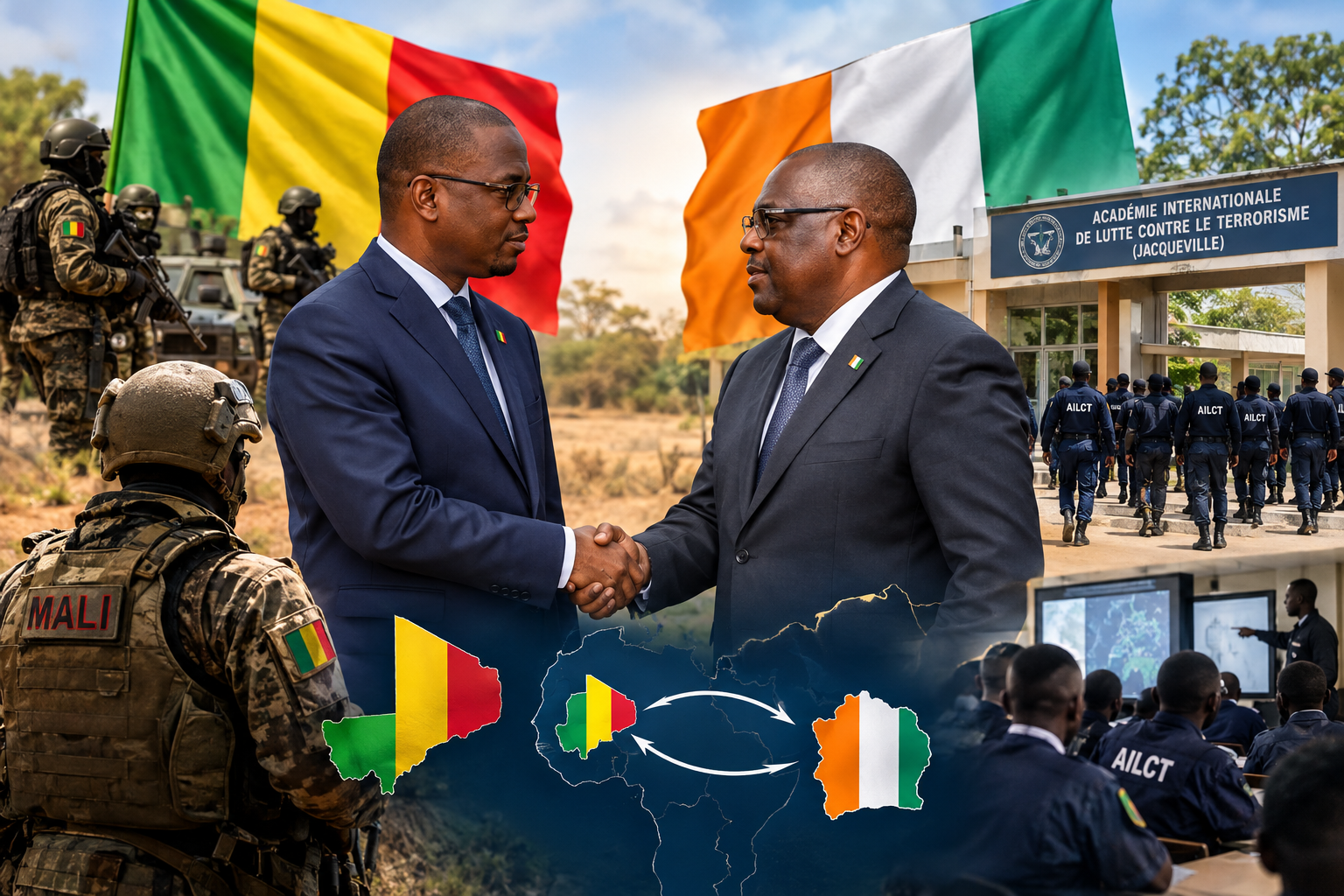
In a decisive move signaling a shift in Mali’s security strategy, Director General Modibo Koné of Mali’s National State Security Agency (ANSE) has formally invited Ivory Coast’s intelligence chief Vassiriki Traoré for high-level talks in Bamako. Scheduled for October 15, 2026, this meeting marks a pivotal moment in regional counterterrorism efforts, emphasizing collaboration as a critical factor in addressing escalating threats across West Africa.
From dialogue to action: unlocking Ivory Coast’s counterterrorism toolkit
The invitation reflects Bamako’s growing recognition that defeating militant groups demands more than military force it requires robust intelligence networks, proactive threat prevention, and coordinated interagency responses. Ivory Coast has earned regional acclaim for building such capabilities, having weathered and contained multiple terror attacks over the past decade.
At the heart of this model lies the International Counterterrorism Academy (AILCT) in Jacqueville, inaugurated in June 2021. This state-of-the-art facility serves as a regional training hub, equipping security personnel with advanced skills in threat assessment, operational coordination, and tactical execution. While AILCT focuses on long-term capability building, its curriculum also includes practical modules on real-time intelligence integration and crisis response areas Mali’s forces could urgently leverage.
Key areas of potential cooperation include:
Joint intelligence-sharing protocols to improve early threat detection
Specialized training programs for Malian special forces units
Standardized operational frameworks for cross-border incident response
Judicial and legislative best practices for prosecuting terror suspects
Security without borders: why Mali can’t go it alone
Mali’s ongoing struggle against armed factions has underlined a harsh reality: terror networks operate fluidly across porous borders, exploiting gaps in surveillance and cooperation. Ivory Coast’s recent success in preventing multiple attacks despite being geographically close to high-risk zones offers valuable lessons in perimeter security and community-based intelligence gathering.
The upcoming Bamako talks are expected to center on two critical imperatives: accelerating intelligence fusion between Malian and Ivorian security apparatuses, and adapting Ivory Coast’s urban security models to Mali’s northern cities and border regions. This isn’t about surrendering sovereignty it’s about securing it through partnership.
Balancing national strategy with regional wisdom
Mali has historically prioritized territorial recovery, yet persistent insecurity in the center and north reveals the limits of unilateral action. The timing of this engagement is significant: as Sahel-wide counterterrorism efforts face mounting skepticism, Bamako appears ready to explore new avenues of cooperation with neighbors who’ve demonstrated measurable success in preventing attacks.
That said, the true test will come not in discussions, but in implementation. Will Mali integrate Ivory Coast’s training protocols into its national curriculum? Will joint intelligence units be permanently embedded along shared borders? Answers to these questions will determine whether this meeting heralds a durable shift or remains a symbolic gesture.
One thing is clear: in an era where terror groups exploit division, Mali’s future security may well depend on its ability to learn from neighbors not as an admission of weakness, but as a strategic necessity.
What’s next: turning collaboration into results
The October summit could lay the foundation for several concrete outcomes:
A joint task force to coordinate border monitoring and information exchange
Pilot training exchanges for Malian officers at AILCT’s Jacqueville facility
A technical working group to evaluate Mali’s existing intelligence architecture against Ivory Coast’s proven models
Public-private partnerships to enhance community intelligence networks in northern Mali
The challenge ahead is substantial, but the opportunity is real. Mali stands at a crossroads: it can continue down a familiar path with uncertain prospects, or use this momentum to integrate regional best practices into a more resilient counterterrorism strategy. The decisions made in the coming weeks will reveal whether Bamako is ready to turn this pivotal moment into lasting momentum.
By François Mvondo — Journalist