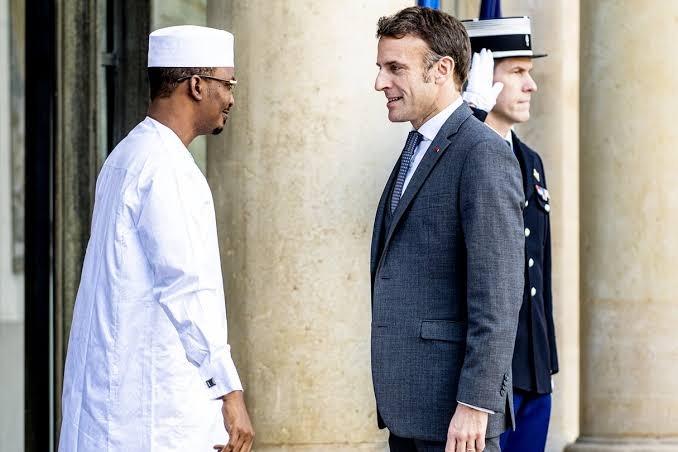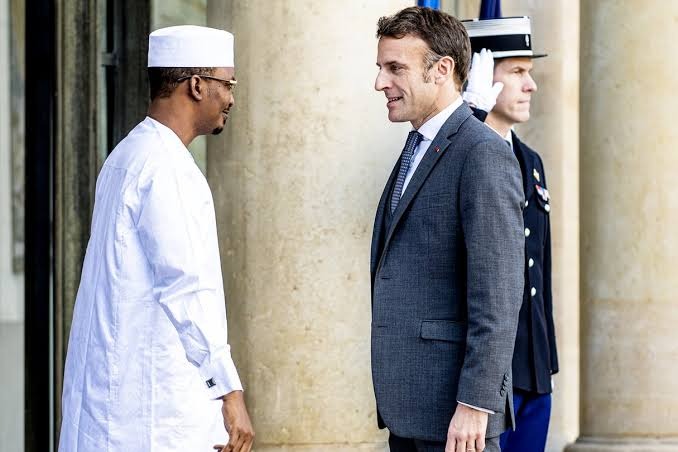
When Emmanuel Macron and Mahamat Idriss Déby sat down at the Élysée Palace on 13 October 2026, the handshake that followed did more than reopen a channel between Paris and N’Djamena. It set off a fresh wave of debate about France’s place in the Sahel, stirred unease in Niamey, and left observers asking a simple question: what happens now? The declaration of intent on defense cooperation signed by the two defense ministers marks a deliberate attempt to rebuild a partnership that had been formally dismantled less than two years earlier.
From withdrawal to re-engagement: how the ground shifted
The story begins with a rupture. In November 2024, Chad’s authorities announced they were ending the military cooperation agreement with France. French troops pulled out, installations were handed back, and by early 2025 the permanent French military presence in Chad — long the anchor of Paris’s operations across Africa — was gone.
That exit did not happen in isolation. French forces had already left Mali, Burkina Faso and Niger, stripping Paris of its traditional footprint across the Sahel and effectively ending a model built on standing military bases. The 13 October declaration is the clearest signal yet that Paris has accepted that reality and is trying a different formula.
What the declaration actually contains
The framework focuses on training, expertise, industry and technology. Rather than deploying troops, France would help strengthen the operational capacity of Chad’s armed forces directly — a shift from presence to partnership.
Chad’s geographic position explains much of the interest. It borders war-torn Sudan, sits close to Libya and forms part of the Lake Chad basin, making border surveillance, counter-insurgency and military capacity-building priorities with clear regional consequences. Crucially, the arrangement is described as strictly bilateral, shaped around needs defined by Chadian authorities.
Niamey’s shadow over the deal
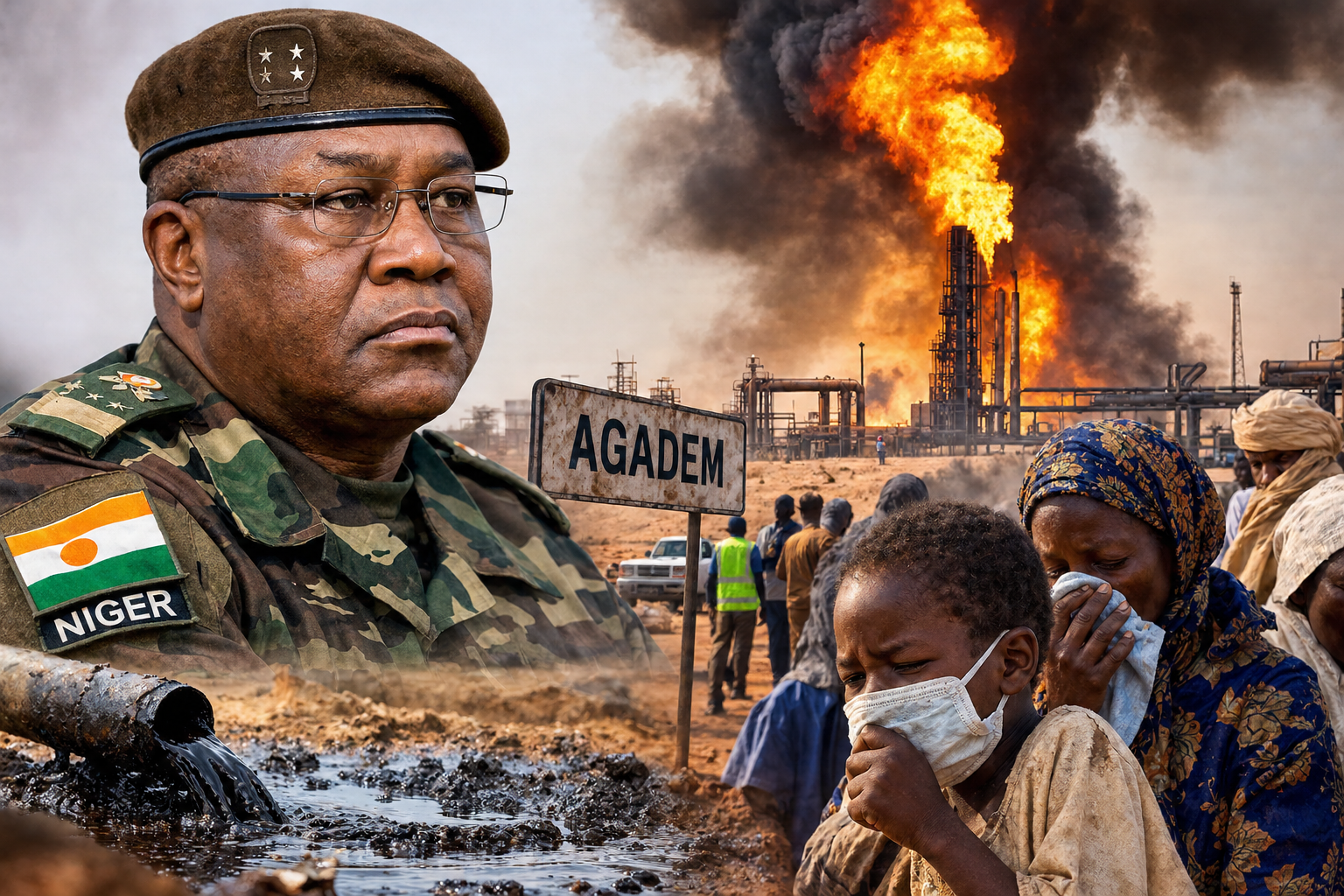
The timing is delicate. In the night of 28–29 August 2026, what was described as an orchestrated destabilization attempt unfolded in Niamey, centering on Air Base 101. Niger’s government accused France and several foreign actors — Chad among them — of involvement. Paris rejected the allegations outright.
Because Chad and Niger share borders and regional security concerns, the rapprochement between Paris and N’Djamena has drawn close attention from Nigerien authorities. The declaration explicitly frames itself as a bilateral matter between France and Chad, but in a region where military presence is politically charged and governments guard their strategic autonomy closely, even a bilateral text carries wider implications.
Beyond defense: an economic dimension
The Élysée meeting was not only about security. Both presidents committed to expanding economic and cultural ties, with benefits intended for businesses and ordinary citizens alike. Key sectors include infrastructure, energy, health, transport and education.
The goal is to move past a relationship historically dominated by military questions and put investment and trade at the center. For Chad, the pressure points are familiar: development, jobs and public services remain urgent priorities, while conflicts in neighboring countries strain stability and resources. Security cooperation is therefore presented as one part of a broader effort to address population needs.
Reactions and what comes next
For Macron, the repositioning is about rebuilding the relationship with Chad in a renewed form. For Déby, it is about strengthening his country’s capabilities while retaining full control over its strategic choices.
The declaration is a political milestone, but it will be judged on follow-through: training programs, expertise transfers, technological cooperation and operational support. After the military withdrawals and the tensions that preceded them, Paris and N’Djamena are starting from a new baseline — one that tries to balance both states’ interests, meet regional security demands and withstand the diplomatic frictions running through the Sahel.
Whether this recalibrated partnership becomes a durable model or another temporary arrangement will depend on delivery. For now, the debate it has sparked — in N’Djamena, in Niamey and well beyond — shows that France’s search for a new role in the Sahel is far from settled.