As Africa Corps replaces Wagner in Mali, public scrutiny intensifies over whether the transition has truly altered the trajectory of civilian harm. Reports highlight persistent abuses, including killings, torture and enforced disappearances—raising urgent questions about accountability and the future of security operations in the region.
The alleged crimes continue despite structural changes
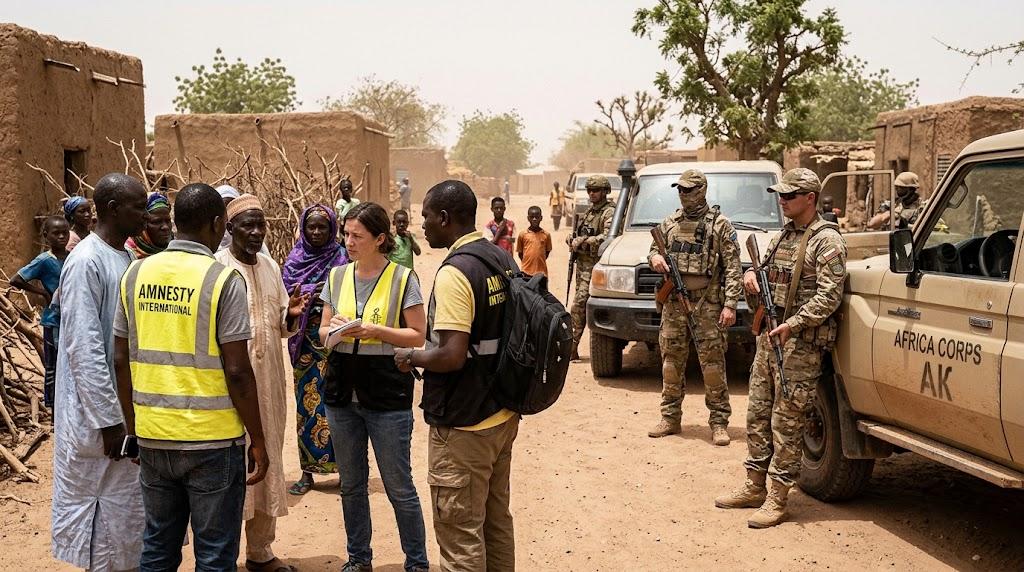
Investigations reveal a troubling pattern of alleged human rights violations in Mali, even after Wagner’s reported withdrawal. Amnesty International’s findings indicate that operations involving government forces and foreign personnel—now under Africa Corps—have continued to result in civilian casualties, arbitrary detentions and alleged acts of torture.
Between June 2023 and December 2025, at least 34 civilians were reportedly killed in seven localities along the Mali-Mauritania border during joint military actions. Survivors and witnesses describe incidents that may amount to extrajudicial executions, including executions of detained individuals and attacks on fleeing civilians. Drone strikes, too, have been linked to civilian deaths, with incidents in Ejdeir and Tangata raising serious concerns about targeting protocols and accountability.
Torture and enforced disappearances: a documented reality
Testimonies gathered by human rights monitors describe harrowing accounts of torture and ill-treatment in detention facilities and during military operations. Survivors report methods such as suspension by the arms, waterboarding, electric shocks and beatings with iron bars and rifle butts. Sexual violence has also been documented.
At least five individuals are believed to have died as a result of torture or poor detention conditions, while others remain detained without access to legal counsel or family contact. In some cases, personnel linked to previous Wagner operations were reportedly involved in abuses alongside Malian soldiers, with some reportedly participating in interrogations without intervening to stop the violence.
A pattern of impunity deepens the crisis
Despite the gravity of these allegations, no judicial proceedings have been initiated against government forces since 2023 for abuses targeting civilians. This lack of accountability not only perpetuates fear and silence but also obstructs efforts to bring perpetrators to justice and prevent further harm.
Amnesty International has called on the Malian authorities to establish independent investigations, hold those responsible accountable and ensure victims’ access to justice. Transparency in agreements with Africa Corps and oversight of military operations are also demanded to restore public trust and protect civilian lives.
Targeted communities bear the brunt of insecurity
Certain ethnic groups—including Fulani, Arab and Tuareg communities—face heightened vulnerability due to suspected ties to armed groups. Reports detail targeted killings, looting of livestock, destruction of homes and systemic harassment under the pretext of counterterrorism. These actions exacerbate food insecurity and displacement, compounding the challenges faced by rural populations already struggling with conflict and economic instability.
International humanitarian law prohibits collective punishment and violence based on community affiliation. Protecting civilians must remain a priority, regardless of operational goals.
Africa Corps: A shift in name, but not in conduct?
Africa Corps, reportedly under Moscow’s direct command, began deploying in Mali in early 2025, officially taking over Wagner’s role by mid-2026. Yet recent incidents continue to raise concerns about the conduct of operations.
In a July 2026 operation in Bombori, approximately 80 Fulani men were reportedly detained, beaten and interrogated regarding suspected ties to armed groups. Six individuals attempting to flee were allegedly shot, and three more were executed. These events fuel questions about the rules of engagement, oversight mechanisms and shared responsibility between Malian and foreign forces.
What lies ahead for Mali’s security landscape?
The transition from Wagner to Africa Corps was framed as a step toward stabilizing Mali. However, mounting evidence suggests a troubling continuity in abusive practices. Without genuine accountability, the cycle of violence risks persisting, undermining both security and human rights imperatives.
Amnesty International’s findings underscore a critical juncture: will Mali’s security approach prioritize civilian protection and justice, or will impunity continue to define the cost of counterterrorism?