The recent surge in displaced populations in Mali has ignited a fierce public debate, with over 322,584 refugees and asylum seekers now registered—marking a critical turning point in the Sahel’s humanitarian crisis. As authorities scramble to address the growing needs, questions loom over the country’s ability to sustain its response while navigating deepening regional instability.
Behind the numbers: a crisis that transcends borders
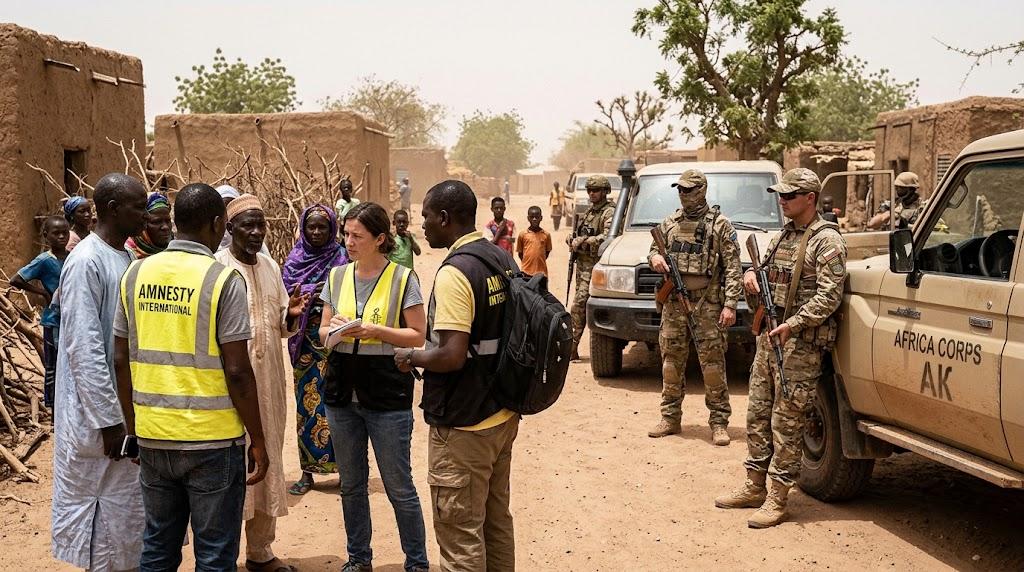
The latest figures reveal a staggering reality: 322,584 refugees and asylum seekers, 414,524 internally displaced persons, 90,648 returnees, and 343,091 Malians still living as refugees abroad. Between August and September alone, the number of asylum seekers in Mali rose by 5,396, while internal displacement remained relatively stable—a stark contrast to the relentless outward flow of people fleeing violence across the Sahel.
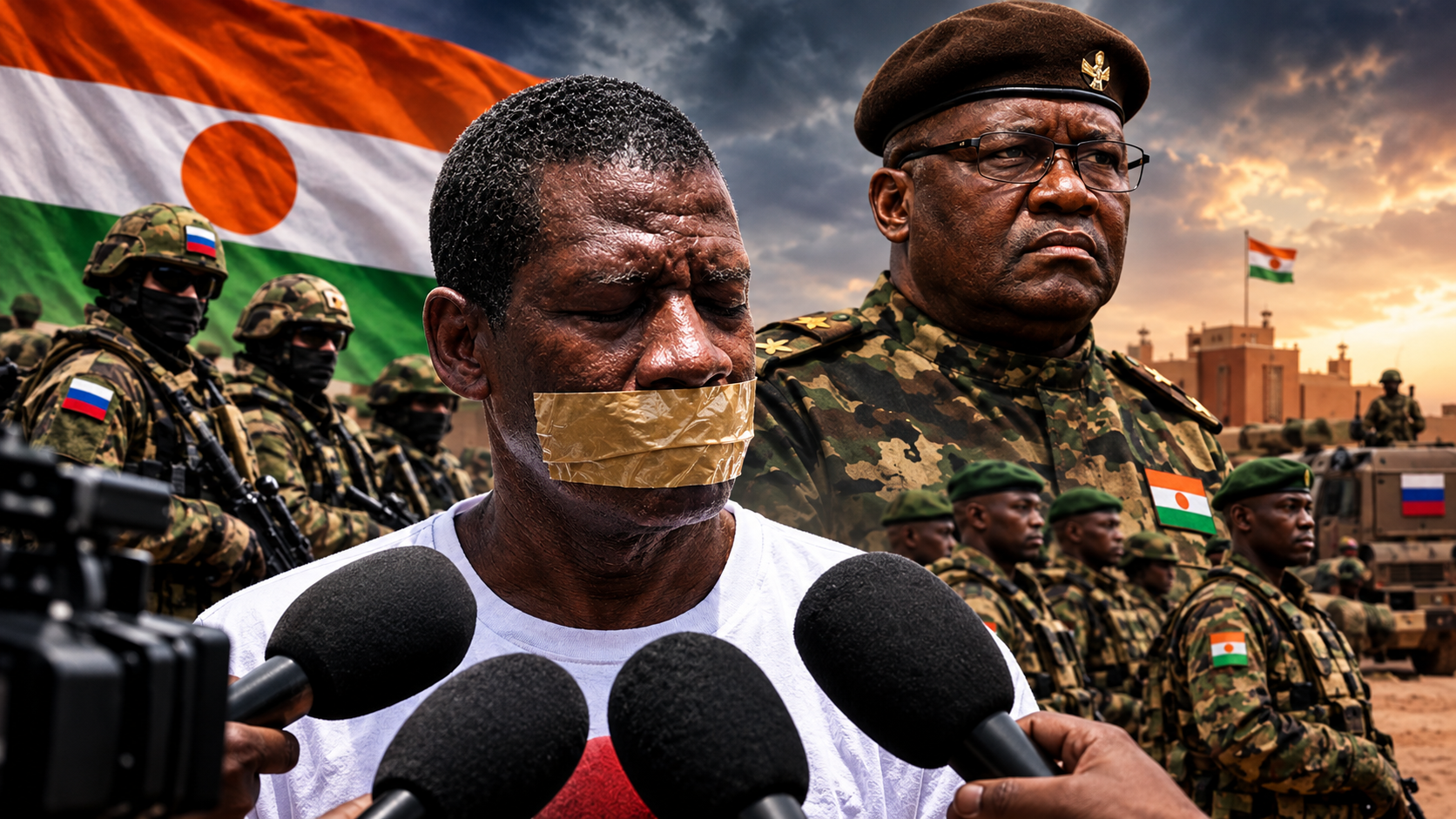
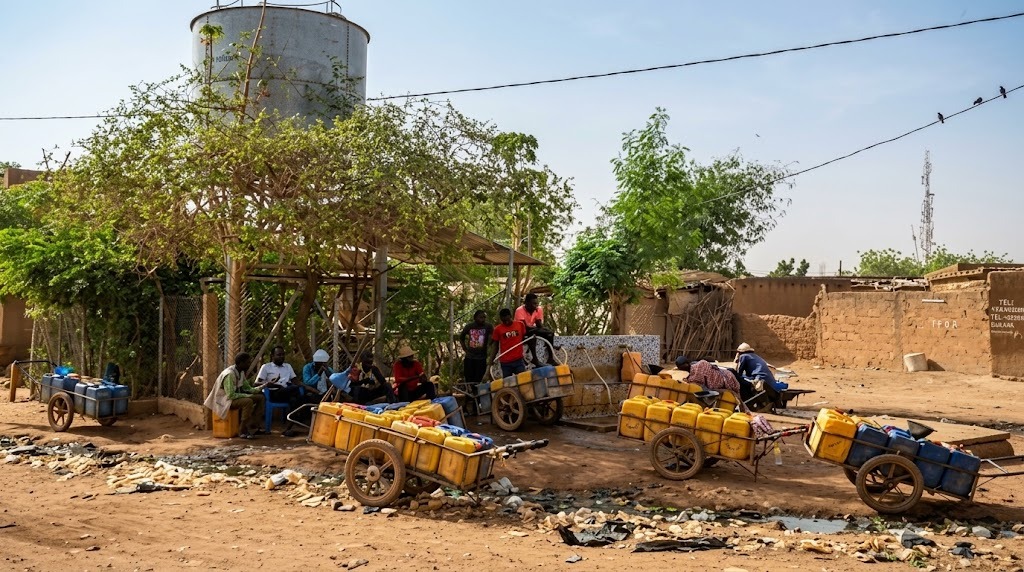
The situation is particularly acute in central regions like Koro, where nearly 86,000 Burkinabè refugees have sought shelter. When viewed alongside neighboring Niger and Burkina Faso, the total number of displaced people in the tri-border region exceeds 4 million, with over 818,000 classified as refugees or asylum seekers. These figures underscore a crisis that knows no borders, with displacement and return often hinging on the fragile hope of security and stability.
Public reaction and the pressure on national policies
As the numbers swell, so too does the debate over Mali’s long-term strategy. The government, represented at a high-level UNHCR meeting in Geneva, has doubled down on its commitment to voluntary repatriation and the integration of returnees. Yet critics argue that the scale of the crisis demands more than rhetoric—urgent, coordinated action is needed to prevent a collapse in social services and economic resilience.
Key initiatives, such as the 2024 adoption of a statelessness law and the establishment of a specialized national commission, have been highlighted as steps forward. However, the lack of detail on the lived conditions of displaced populations—whether refugees or returnees—leaves many wondering if these measures are enough. The public discourse is increasingly focused on accountability: Can Mali’s systems handle the strain, or will the crisis deepen divides and fuel further instability?
What comes next? The humanitarian equation in motion
With no immediate end to regional violence in sight, the fate of displaced Malians remains uncertain. Authorities emphasize voluntary returns and legal protections, but the road to recovery is fraught with challenges. For communities already stretched thin, the question is not just about numbers—but about survival.
As the international community watches, the pressure mounts on Mali to balance immediate relief with sustainable solutions. Will the country’s response rise to the occasion, or will the crisis reshape perceptions of its capacity to manage one of Africa’s most pressing humanitarian challenges?