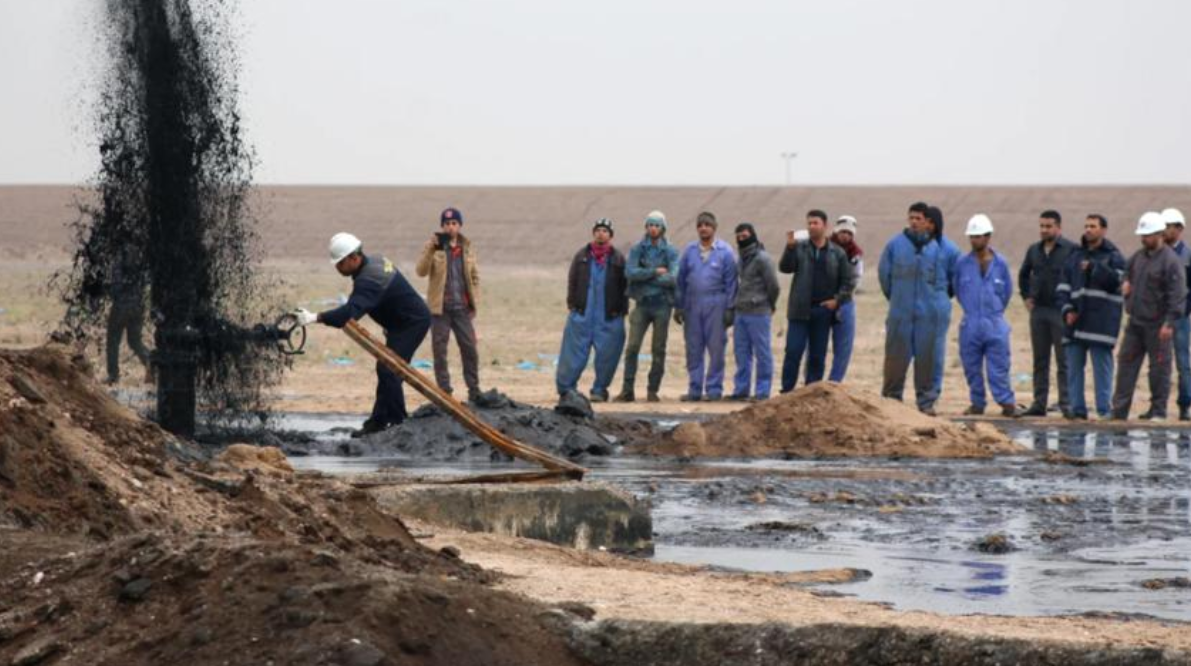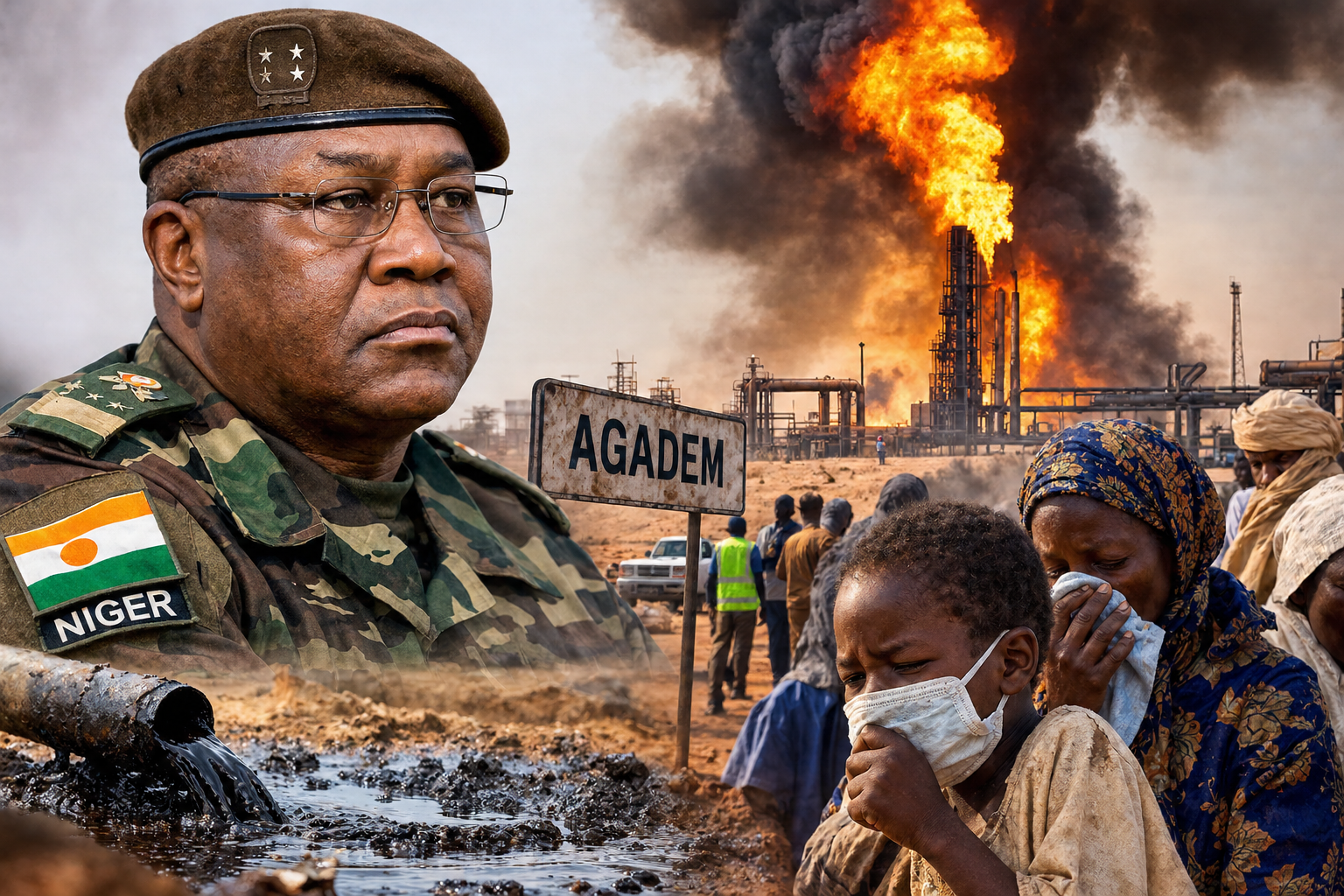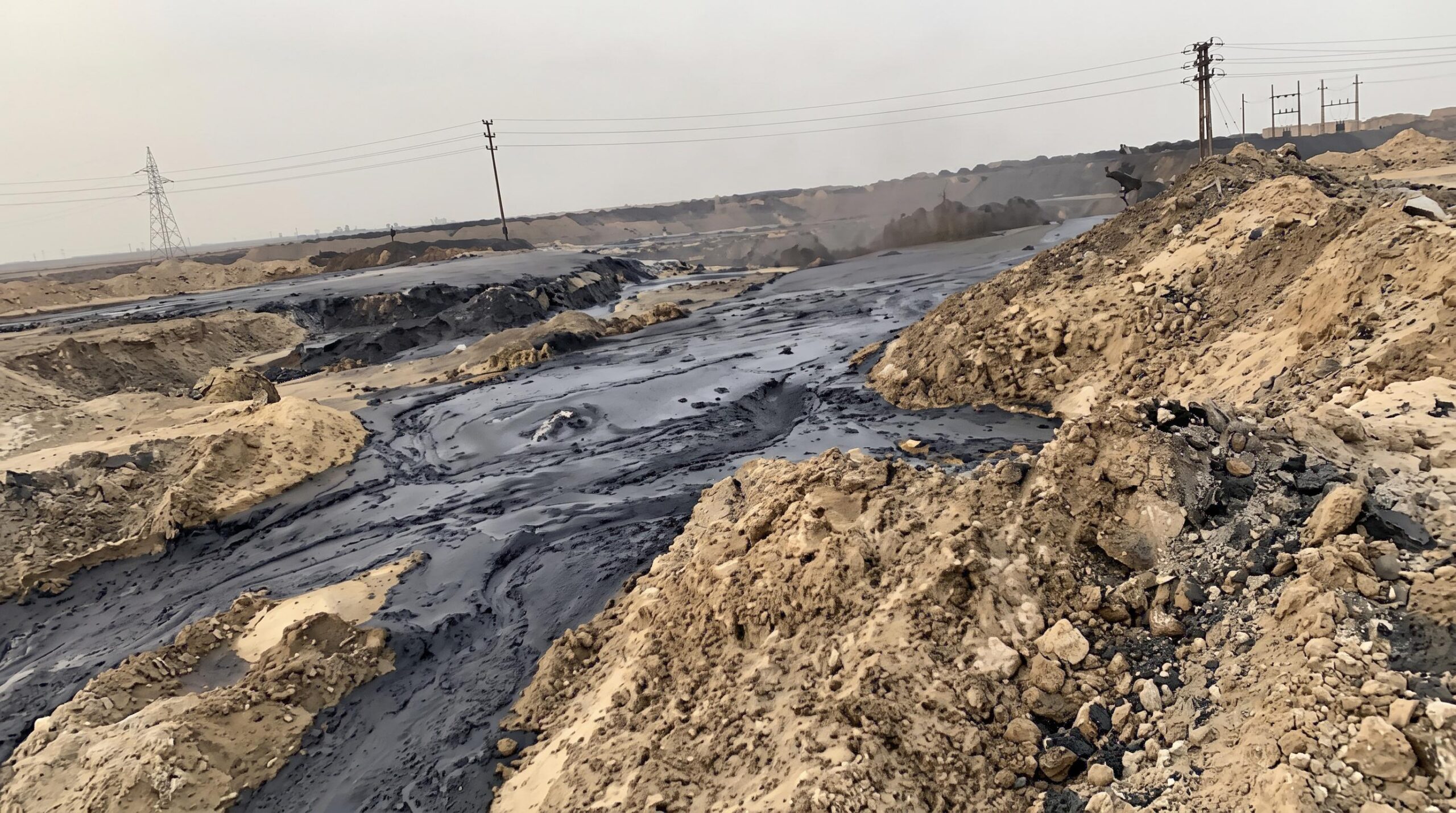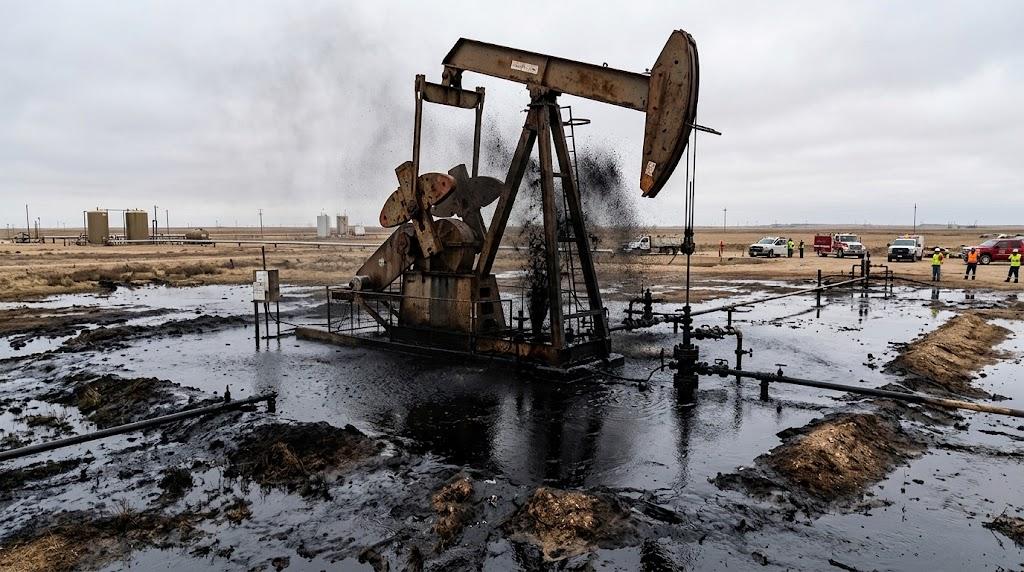
The Nigerien government’s delayed acknowledgment of the Goumeri W-8 oil disaster has intensified public scrutiny over its capacity to manage critical energy infrastructure. Nearly three weeks after crude oil and gas began spewing uncontrollably from the well — operated by CNPC Niger Petroleum on the Agadem block — authorities confirmed the severity of the incident on October 12, 2026. The eruption, now reaching over 10 meters in height, has contaminated adjacent wells and hospitalized two workers, raising urgent questions about environmental safety and national energy autonomy.
From denial to urgency: how the crisis unfolded
Despite initial silence from Niamey, civil society groups, including the Nigerian Environmental Action Group (GREN), had been sounding alarms since September 25, warning of potential soil and groundwater contamination. While emergency dikes and retention basins were hastily constructed to contain the spill, authorities still have not released official estimates of oil loss or the full scope of environmental damage. The delayed response has fueled criticism that state agencies lack the technical expertise and infrastructure to respond to large-scale oil blowouts.
Sovereignty on paper, gaps on the ground
While Nigerien officials emphasize a push for greater control over natural resources — including mandating that 80% of CNPC’s staff be local — the Goumeri W-8 blowout reveals the stark reality: skilled personnel to manage a compromised wellhead are in short supply. This has prompted a pivot in strategy. After weeks of internal deliberation, Niamey has formally requested assistance from Algeria, leveraging the country’s decades-long expertise in managing Saharan oil crises and working closely with Sonatrach, the Algerian state energy company.
A regional pivot: energy ties with Algeria gain momentum
This request comes amid a broader strengthening of diplomatic and energy relations between Niger and Algeria, which began intensifying earlier in 2026. Beyond technical support and an independent audit to assess CNPC’s operational responsibility, Algeria is already involved in the Kafra permit and plays a key role in transporting Agadem crude for export. No definitive timeline for plugging the well has been announced, leaving communities and environmental groups in limbo.
What comes next: accountability, recovery, and control
With public debate growing over the government’s ability to secure its energy future, the crisis at Goumeri W-8 is reshaping national discourse. Questions now center on long-term solutions: Who bears ultimate responsibility for the disaster? Can local expertise be developed rapidly enough? And how will this incident influence future oil contracts and regulatory oversight? As the spill’s ecological and economic consequences unfold, the government faces increasing pressure to act — not just to stop the leak, but to restore confidence in its energy sovereignty.