Violent confrontations erupt in Miski’s mining zone
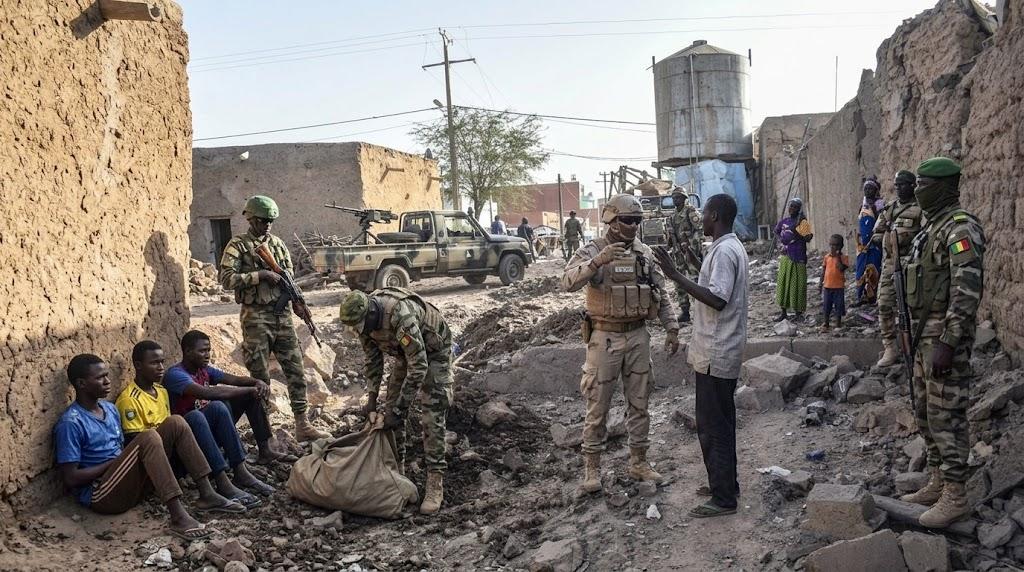
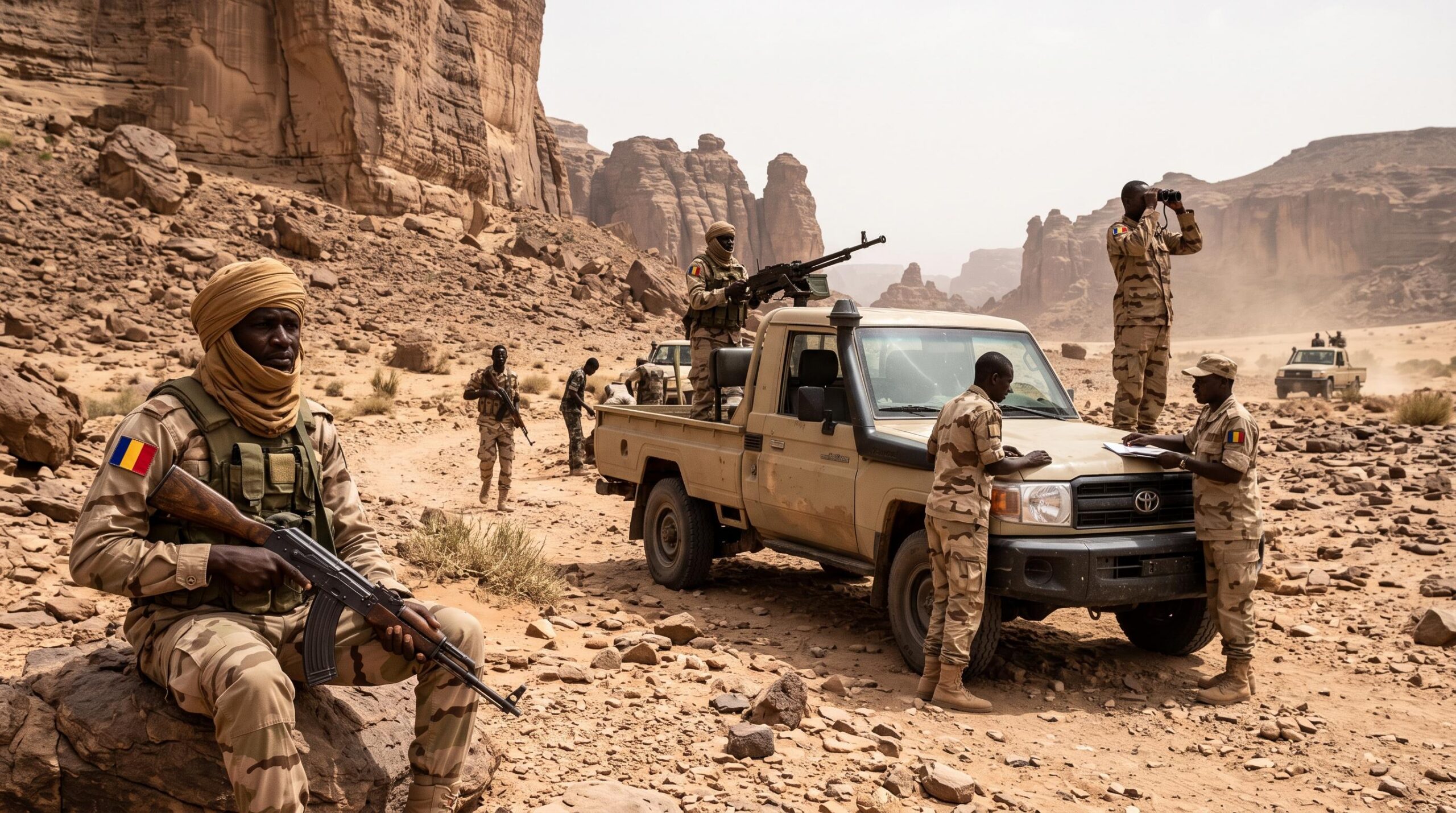
In a sudden escalation, heavy gunfire rocked the gold-rich district of Miski in north-east Chad’s Tibesti region on October 14, 2026. The clash between military mining units and local self-defense militias resulted in two fatalities and nine injuries among security personnel. The incident marks a critical juncture in the ongoing dispute over mineral resource control.
Uncertain origins of the deadly outbreak
While the firefight’s intensity cannot be disputed, its precise initiation remains shrouded in complexity. Authorities allege the attack originated from the self-defense committee’s positions in the Awa mining sector, though no independent verification has yet confirmed these claims. The military command has issued an ultimatum demanding immediate disarmament, threatening severe consequences for any refusal to comply with peace commitments.
Local militia rejects military narrative
The self-defense organization swiftly countered official statements, condemning the military’s heavy-weapon deployment as provocative acts. They allege systematic violations of the April 2025 peace accord through illegal resource extraction and disputed troop presence on local lands. This narrative suggests deeper systemic issues fueling the violence than mere security breaches.
Peace agreement under mounting pressure
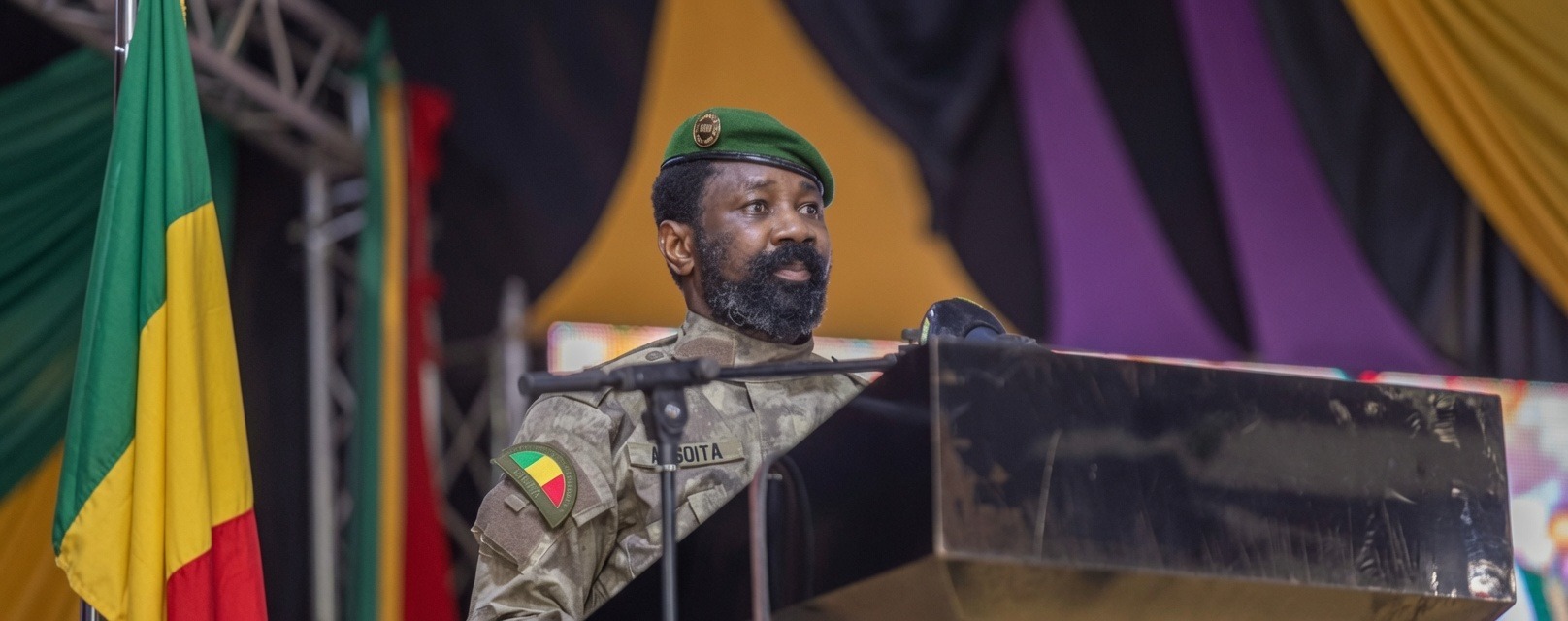
The October 14 confrontation exposes critical fractures in the Tibesti stabilization process. Regional mediators who brokered the 2025 peace deal face renewed challenges as both parties accuse each other of systematic violations. The vice-prime minister’s October 3 visit to Miski appears to have done little to resolve underlying tensions concerning gold field control and civilian security.
Immediate threats to local economy and security
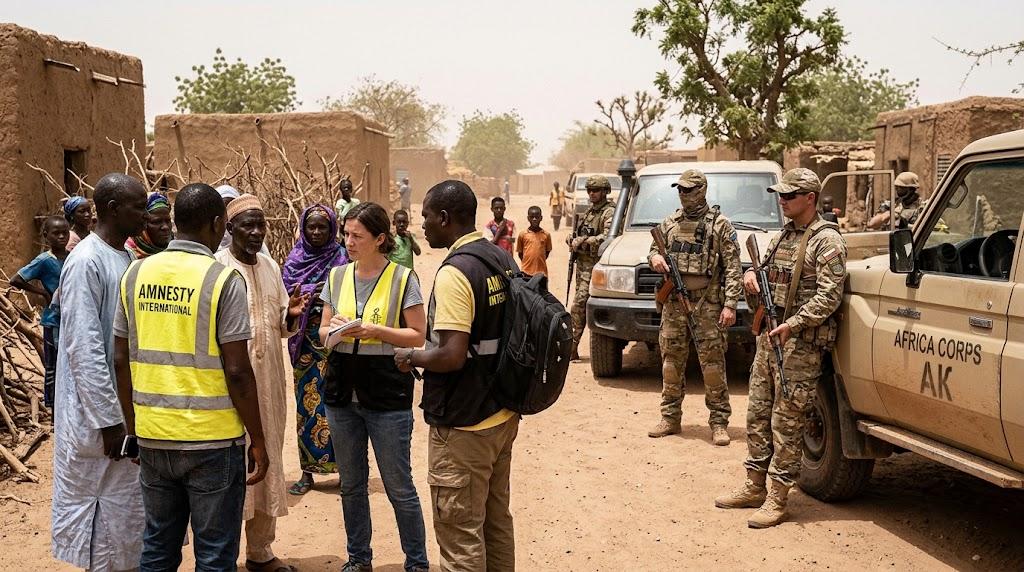
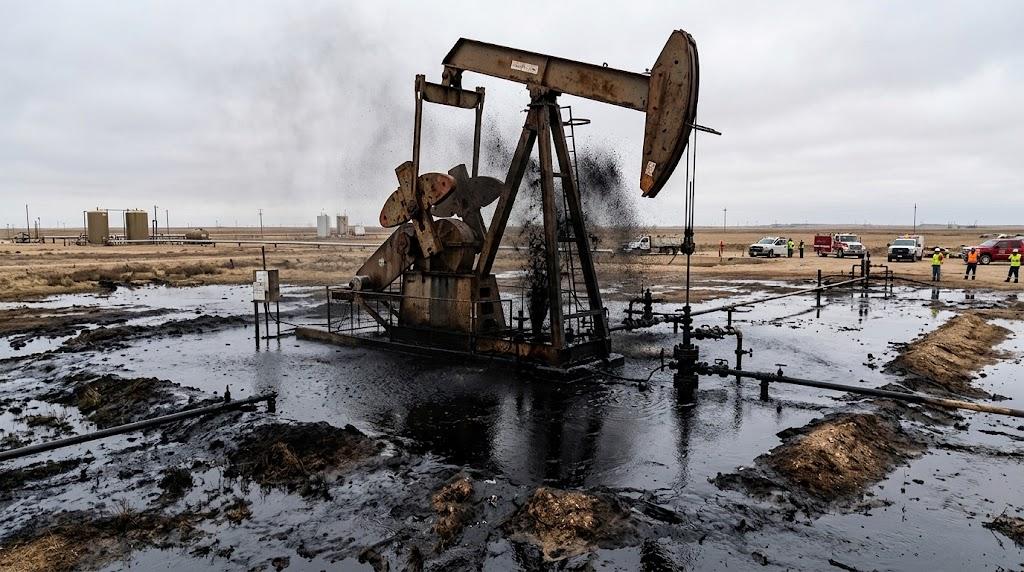
Without independent assessment, civilian casualties remain unverified, but the crisis threatens to destabilize the region’s fragile gold mining economy. Miski’s residents now face uncertain futures as armed groups and security forces compete for territorial and economic dominance. The situation demands urgent diplomatic intervention to prevent further deterioration of already precarious conditions.
Critical juncture for regional stability
This escalation comes at a pivotal moment when Chad’s northern regions face interconnected security and economic challenges. The Tibesti conflict threatens to spiral beyond local boundaries, potentially impacting neighboring Sahel countries already contending with similar resource-driven violence. International observers warn that failed mediation could trigger broader humanitarian and security crises across central Africa.