Turning point for Niger: junta’s 5 billion dollar ultimatum shakes China oil partnership
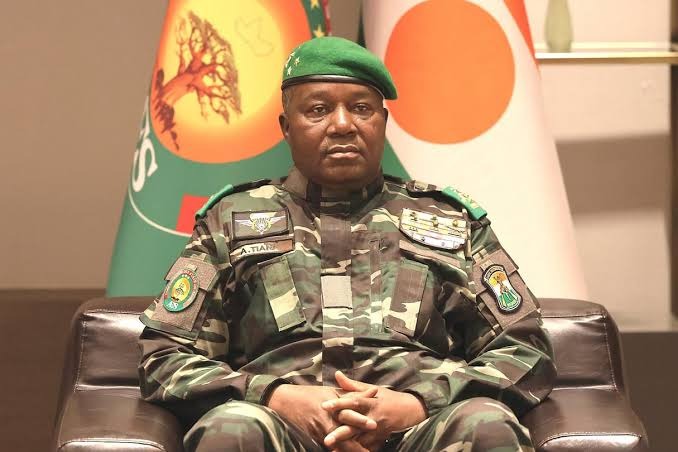
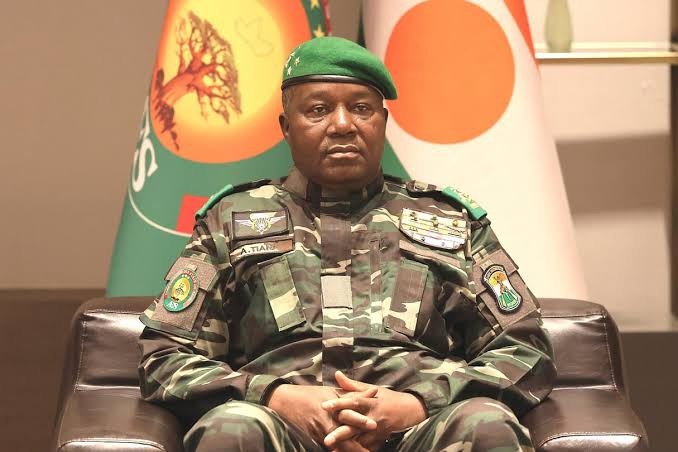
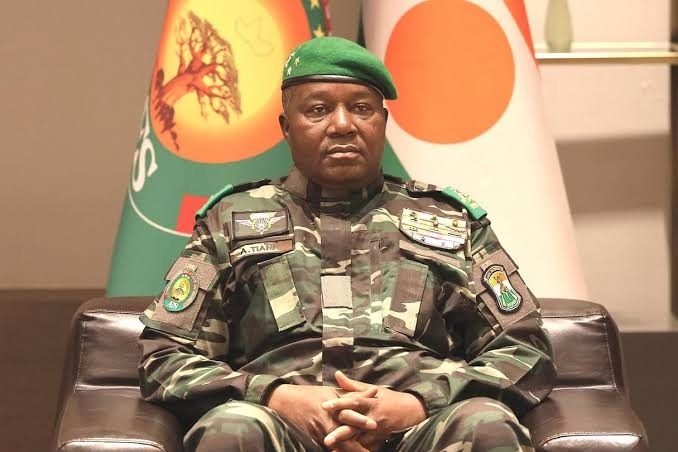
The military-led government in Niger, led by General Abdourahamane Tiani, is taking a high-risk gamble in a desperate bid to salvage the country’s collapsing economy. In a bold and controversial move, Niamey has issued an ultimatum to its largest foreign investor, China National Petroleum Corporation (CNPC), demanding a staggering 5 billion dollars under the guise of alleged delays in oil revenue repatriation. This high-stakes strategy, widely seen as a form of economic blackmail, marks a pivotal moment in Niger’s relations with Beijing and could redefine the nation’s financial future.
Economic crisis fuels aggressive financial demands
Niger, already grappling with severe financial strain, has intensified its financial demands as it faces a widening budget deficit. The military regime, facing mounting pressure from international donors and a depleted national treasury, has turned to CNPC as a target for its desperate financial recovery plan. The ultimatum, set against a backdrop of economic turmoil, underscores the regime’s willingness to take drastic measures to address its crumbling fiscal situation. While the junta claims CNPC has failed to repatriate sufficient oil revenues—just 105 billion FCFA over two years—the reality is far more complex, with Niamey already benefiting from a 400 million dollar loan from China in 2024, repayable from oil earnings.
A seven-point ultimatum designed to squeeze CNPC
The military regime has crafted a series of punitive demands, each designed to exert maximum pressure on CNPC and assert control over its operations in Niger. This seven-point ultimatum includes:
- Forced liquidity injections: Immediate repatriation of massive sums in local currency under an unrealistic schedule.
- Local employment quotas: Mandatory hiring targets disconnected from technical realities, including a 90% local workforce requirement.
- Control over the WAPCO pipeline: Rejection of an external audit of the Niger-Benin pipeline (valued at 2.3 billion dollars) to impose unilateral tariff revisions.
- Takeover of SORAZ refinery: Gradual removal of Chinese management from the refinery’s governance structure.
- Reserve reassessment: Unilateral reevaluation of the Agadem oil fields to renegotiate tax shares upward.
- Forced reinvestment: Pressure to inject an additional 1 billion dollars into exploration projects (Dinga Deep and Abolo-Yogou).
- Administration infiltration: Placement of junta-appointed officials within CNPC’s decision-making bodies.
From intimidation to isolation: the high cost of brinkmanship
Niger’s aggressive tactics against CNPC are not an isolated incident but part of a broader pattern of intimidation. Earlier this year, Chinese executives were summarily expelled from the country within 48 hours, and repeated attempts at financial pressure have created a climate of uncertainty. If the 45-day ultimatum is not met, the regime risks accelerating the withdrawal of Chinese capital, further isolating Niger economically and deepening its financial crisis. This high-stakes maneuver risks turning a desperate financial play into a strategic blunder with long-term consequences for the nation’s stability and development.
Will Niger’s gamble backfire?
Niger’s military regime is walking a tightrope with its ultimatum to CNPC. While the junta may secure short-term financial gains, the move risks alienating its most critical foreign investor and destabilizing the oil sector. As the deadline looms, the regime faces a stark choice: back down and preserve its economic ties with China or push forward and risk deeper isolation. With the country already on the brink of economic collapse, this gamble could either be a turning point or the final nail in the coffin of Niger’s financial recovery.