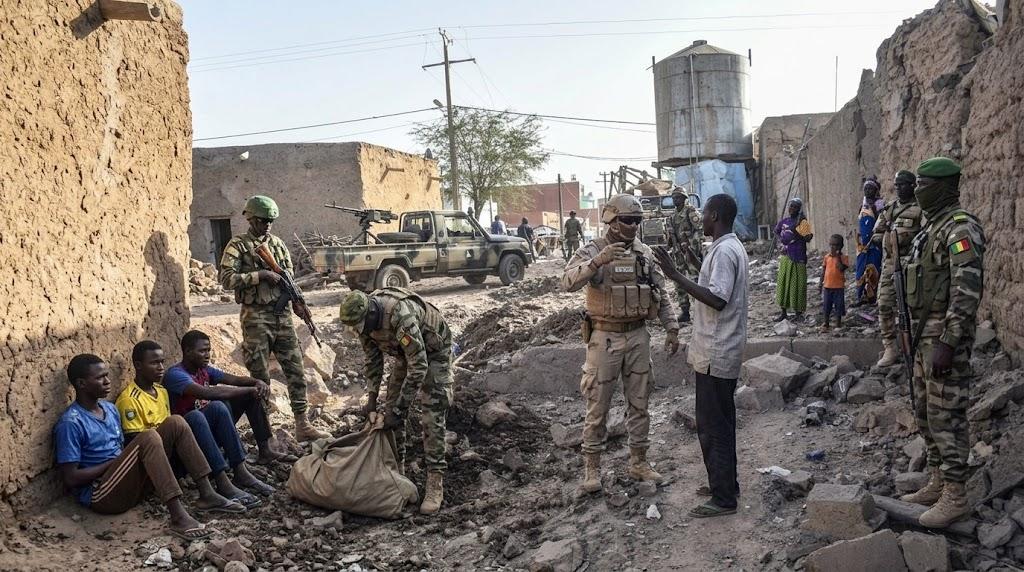
From Tragedy to Reckoning: Mali’s Military Confronts Its Darkest Hour
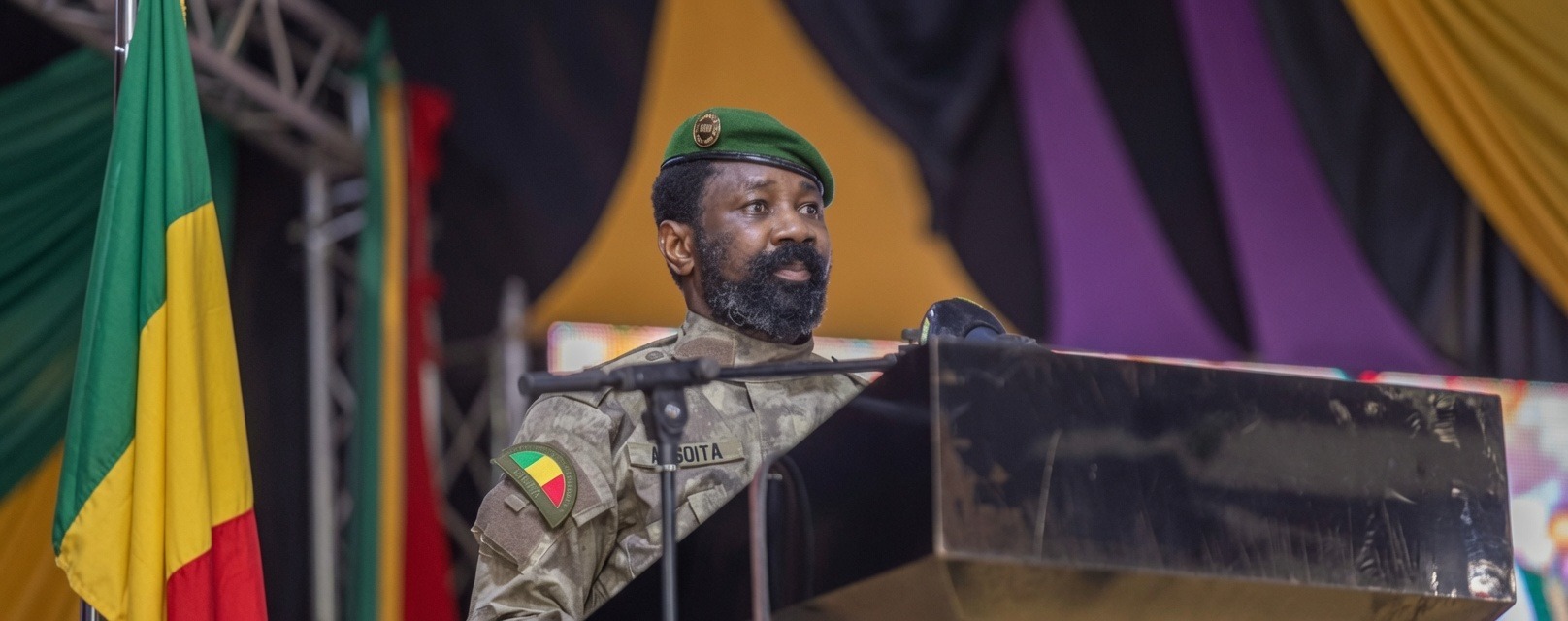
The Malian military has acknowledged a “tragic incident” involving civilian casualties in a military operation zone, but key details remain shrouded in secrecy. The announcement, made on October 14, 2026, follows reports of devastating airstrikes in Zanakoro, where multiple international observers and local testimonies have confirmed at least eight deaths, including women and children.
The military’s acknowledgement arrives at a critical juncture. For years, human rights groups have documented a pattern of alleged abuses by Malian forces and their Russian-backed partners, raising urgent questions about civilian protection in conflict zones. Yet, the communiqué offers no clarity on the incident’s location, timing, victim count, or the events leading up to the tragedy.
Zanakoro: Where Ceremony Turned to Catastrophe
In the heart of the Ségou region, the village of Zanakoro became the epicenter of a controversy that has gripped the nation. Local accounts describe how a joyous community gathering—a child’s baptism—was shattered by successive airstrikes. Survivors recount homes reduced to rubble, families fleeing into the wilderness, and a death toll that may yet climb higher.
Eyewitnesses, including relatives of the victims, describe at least eight fatalities: a pregnant woman, three young girls under ten, and others caught in the indiscriminate barrage. While the military’s statement does not explicitly link this tragedy to Zanakoro, the coincidence fuels speculation—and demands accountability.
A Pattern of Violence: The Shadow of Africa Corps
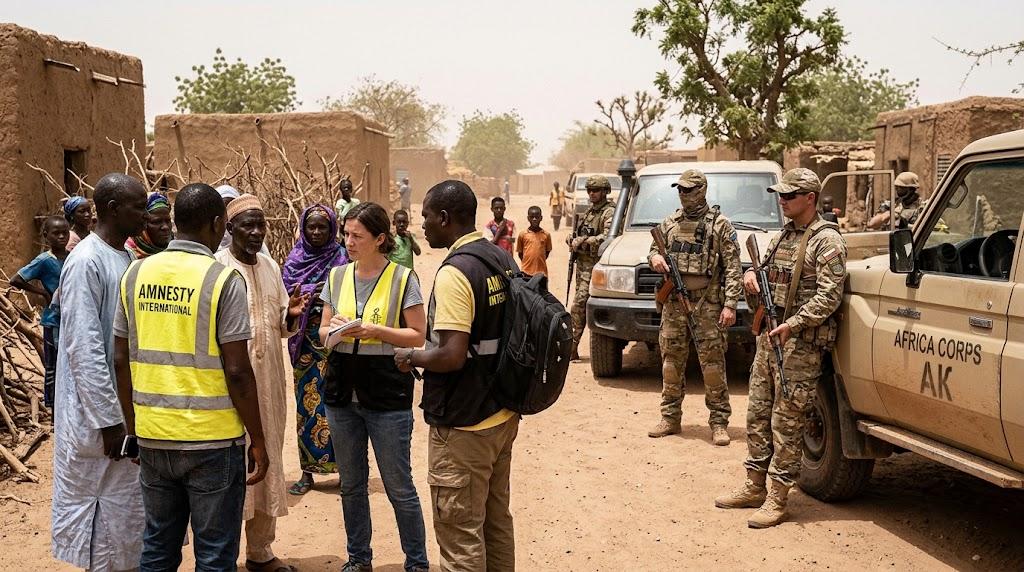
The transition from Wagner Group to Africa Corps has done little to quell concerns over civilian harm. Reports from independent human rights organizations paint a grim picture of continued abuses, including executions, torture, and forced disappearances, particularly targeting Fulani, Tuareg, and Arab communities.
A September 2026 report by Amnesty International documented seven incidents between June 2023 and December 2025, in which 34 civilians were allegedly killed by joint Malian-Russian operations. The findings suggest a systematic failure to distinguish between combatants and non-combatants—a violation of international humanitarian law.
Recent incidents linked to Africa Corps further underscore these concerns. In Kyrnia (Mopti region), eight civilians, including three children, were killed in June 2026 during an airstrike that Human Rights Watch deemed indiscriminate. The absence of clear military targets raised serious questions about the operation’s legality.
The Legal and Moral Imperative: When Security Trumps Humanity
Mali’s fight against jihadist groups like the Group for the Support of Islam and Muslims (JNIM) is undeniably vital. Yet, the protection of civilians must remain non-negotiable. International law demands that military operations adhere to principles of distinction, proportionality, and precaution—requirements that seem increasingly disregarded.
When civilians are harmed, the burden of proof shifts to the authorities. They must disclose:
- The exact location and date of the incident;
- The identities and number of casualties;
- Whether the victims were civilians;
- The steps taken to prevent harm and investigate breaches.
Without transparency, the military’s acknowledgment of a “tragic incident” risks becoming an empty gesture—one that deepens public distrust rather than fostering reconciliation.
From Silence to Justice: What Must Change Now
The families of Zanakoro’s victims deserve more than a vague communiqué. They deserve answers: Why were these strikes launched? Were adequate precautions taken? Who is responsible?
The Mali military’s silence is not an anomaly—it reflects a broader crisis. For years, human rights defenders have warned that unchecked military operations erode public trust and fuel cycles of violence. To break this cycle, accountability must take precedence over opacity.
This is not merely a question of optics; it is a legal and moral obligation. The victims of Zanakoro, Kyrnia, and countless other sites call for justice. Their suffering will persist until the institutions meant to protect them finally step into the light.
Will Mali’s military seize this turning point to restore credibility—or will the shadows of impunity continue to grow?