From budget line to breaking point: why more spending isn’t delivering safety
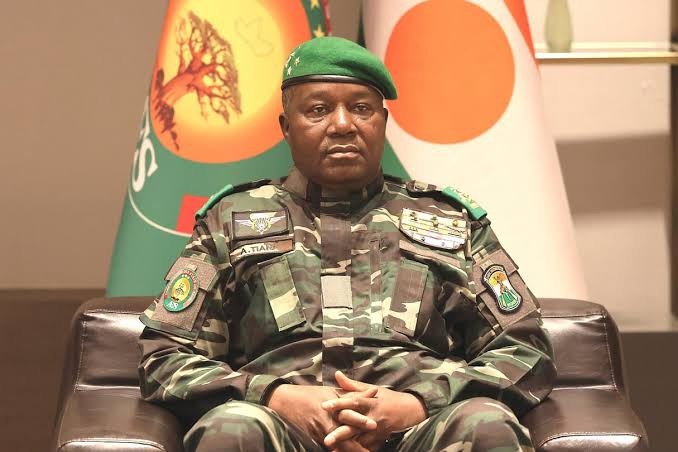
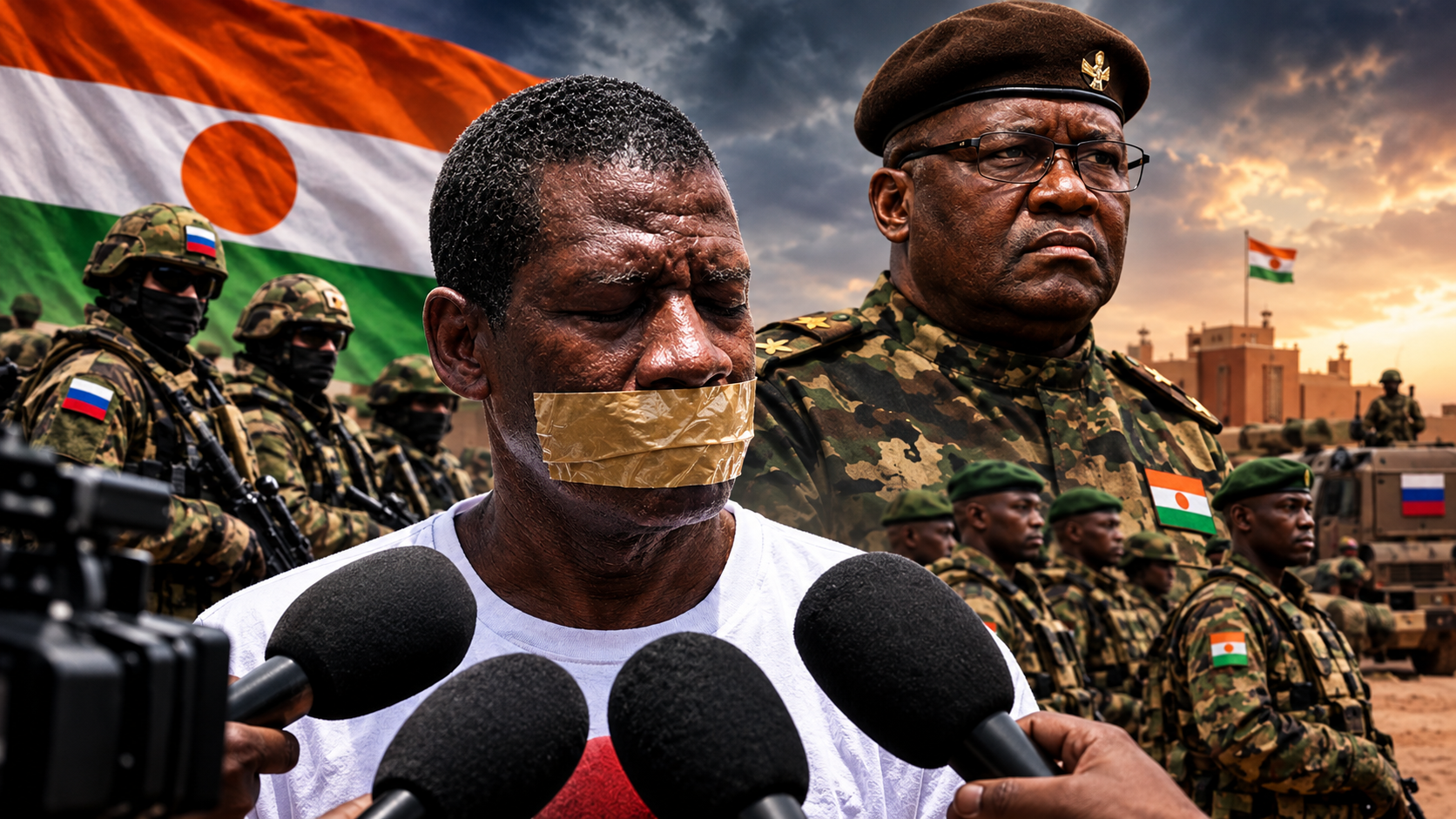
Niger is doubling down on its security spending blitz, but with every billion poured into defense, a troubling question looms larger: are these massive outlays actually making Nigeriens safer? In 2024, defense and security allocations neared 960 billion CFA francs—nearly 2.2% of GDP—while the 2026 mid-year supplement alone injected another 58.3 billion CFA francs into frontline operations. Yet behind these eye-popping numbers lies a growing disconnect between financial commitment and tangible protection on the ground.
Breaking the cost spiral before it breaks the economy
The defense surge is reshaping Niger’s public finances, starving essential services while funding drones, armored vehicles, and airlift capabilities. International military allocations alone have held steady between $435 million and $464 million annually (260–280 billion CFA), a historic high that raises urgent questions about long-term economic sustainability. The Fonds de Solidarité pour la Sauvegarde de la Patrie (FSSP) alone has mobilized over 58.8 billion CFA for advanced equipment, but the absence of clear, published oversight casts doubt over whether these expenditures yield proportional benefits in stability.
The hidden cost of crisis-driven spending
Rushed infusions of cash may keep troops equipped and raids active, but they often bypass structural flaws in strategy. In rural theaters where asymmetric threats dominate, heavy mechanization and surveillance platforms may do little to address root causes: the vacuum of governance, collapsed infrastructure, and collapsed trust in state presence. Without transparent performance benchmarks, every billion spent risks becoming a black box—absorbing resources without delivering measurable safety gains for citizens.
Guns versus governance: the dangerous trade-off in state spending
Niger’s 2025 budget revision—shrunk from 3.03 trillion to 2.75 trillion CFA francs—exposes the strain on public finances. As defense soaks up a disproportionate share, sectors critical to social cohesion—healthcare, education, and road networks—are squeezed. The result? Abandoned border regions where schools shutter, clinics close, and civil servants refuse postings become recruitment hubs for armed groups. Investing in defense without restoring civilian institutions doesn’t break the cycle of insurgency—it deepens it.
Turning the tide: transparency and measurable returns
The path forward demands more than bigger budgets—it requires better governance. Publicly audited spending, parliamentary oversight, and granular reporting on outcomes (road security, reopened schools, restored state services) can transform opaque expenditures into accountable defense. Secrecy justified by ‘operational confidentiality’ cannot justify perpetual opacity. Niger’s next fiscal chapter must pivot from volume to value—proving that every franc spent delivers not just firepower, but lasting peace.