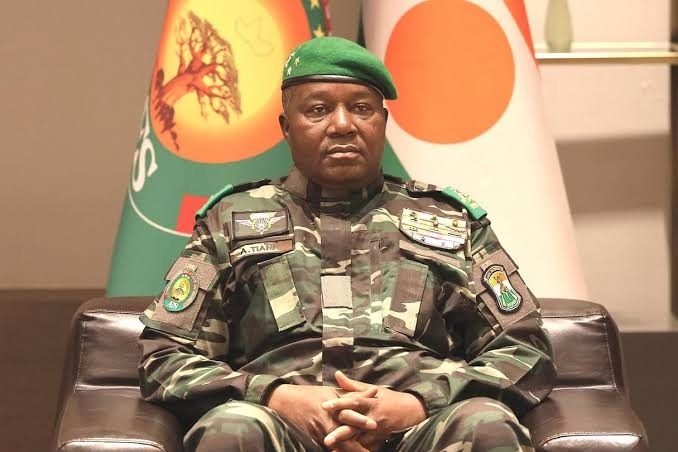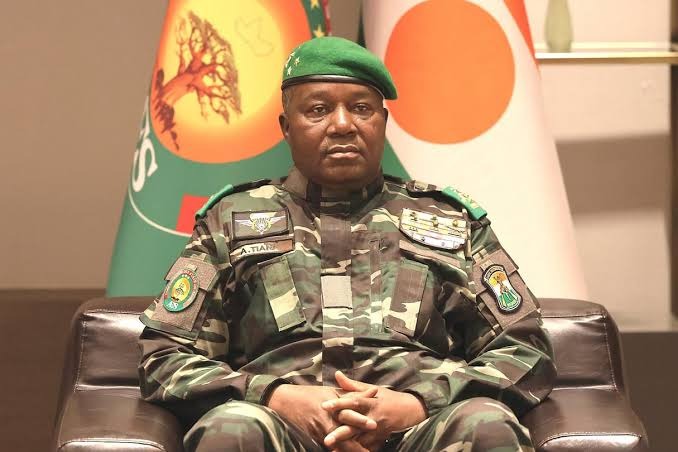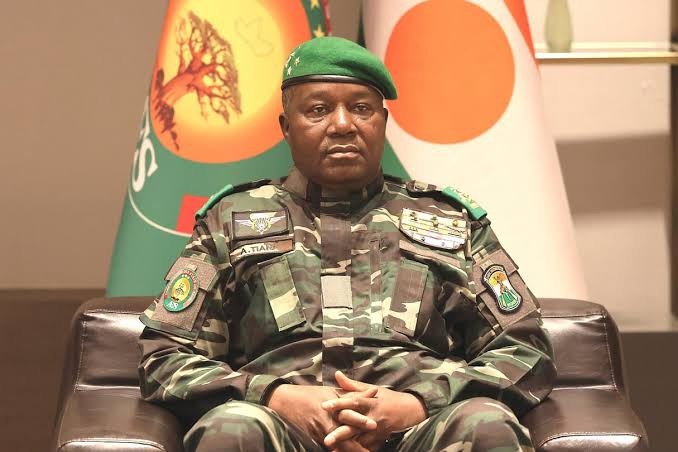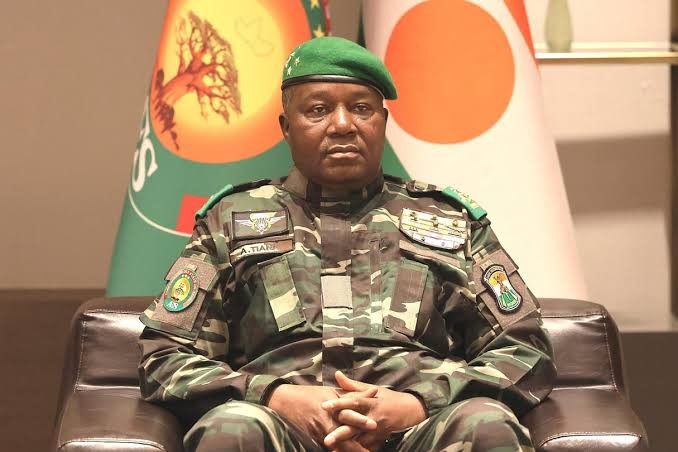
The Nigerien military junta’s sudden reversal on fuel prices marks more than just a policy shift—it signals a critical loss of authority for the National Council for the Safeguarding of the Homeland (CNSP), led by General Abdourahamane Tiani. Since seizing power in July 2023, this move represents the junta’s first major compromise, undermining what was once perceived as an unyielding political stance. Rather than demonstrating strength, the decision reveals a regime scrambling for stability amid growing internal and external pressures.
From rigidity to retreat: why the fuel price freeze?
The CNSP’s abrupt abandonment of its original fuel price policy wasn’t a well-calculated decision—it was a forced reaction to mounting socio-economic unrest. Public protests, sparked by rising living costs, forced the junta to backtrack on its earlier refusal to subsidise fuel. This concession, though framed as a populist gesture, underscores the junta’s inability to sustain its initial economic directives and reveals deep divisions within its ranks. Economic advisors advocating for market-based solutions now find themselves sidelined by a leadership prioritising short-term political survival over long-term stability.
Internal fractures and the illusion of unity
The fuel price freeze has exposed the fragility of the CNSP’s internal cohesion. While General Tiani projects a facade of control, the decision to reverse course has alienated key technocrats within the transitional government. These individuals, who had previously pushed for market liberalisation, now face a stark reality: their recommendations carry little weight against the junta’s survival-driven agenda. This rift highlights a regime struggling to balance public expectations with economic necessities, ultimately revealing a leadership more concerned with maintaining power than addressing the nation’s structural challenges.
What the fuel price freeze signals for Niger’s future
The CNSP’s abrupt about-face on fuel prices could foreshadow more concessions in the future. If the junta continues to prioritise political expediency over sound governance, Niger risks deeper economic instability and eroding public trust. The fuel price freeze, while temporarily easing social tensions, does little to address the underlying issues—power shortages, food insecurity, and a fragile economy. Instead of reinforcing the regime’s authority, this move may further weaken its position, leaving citizens and investors alike questioning the junta’s long-term viability.