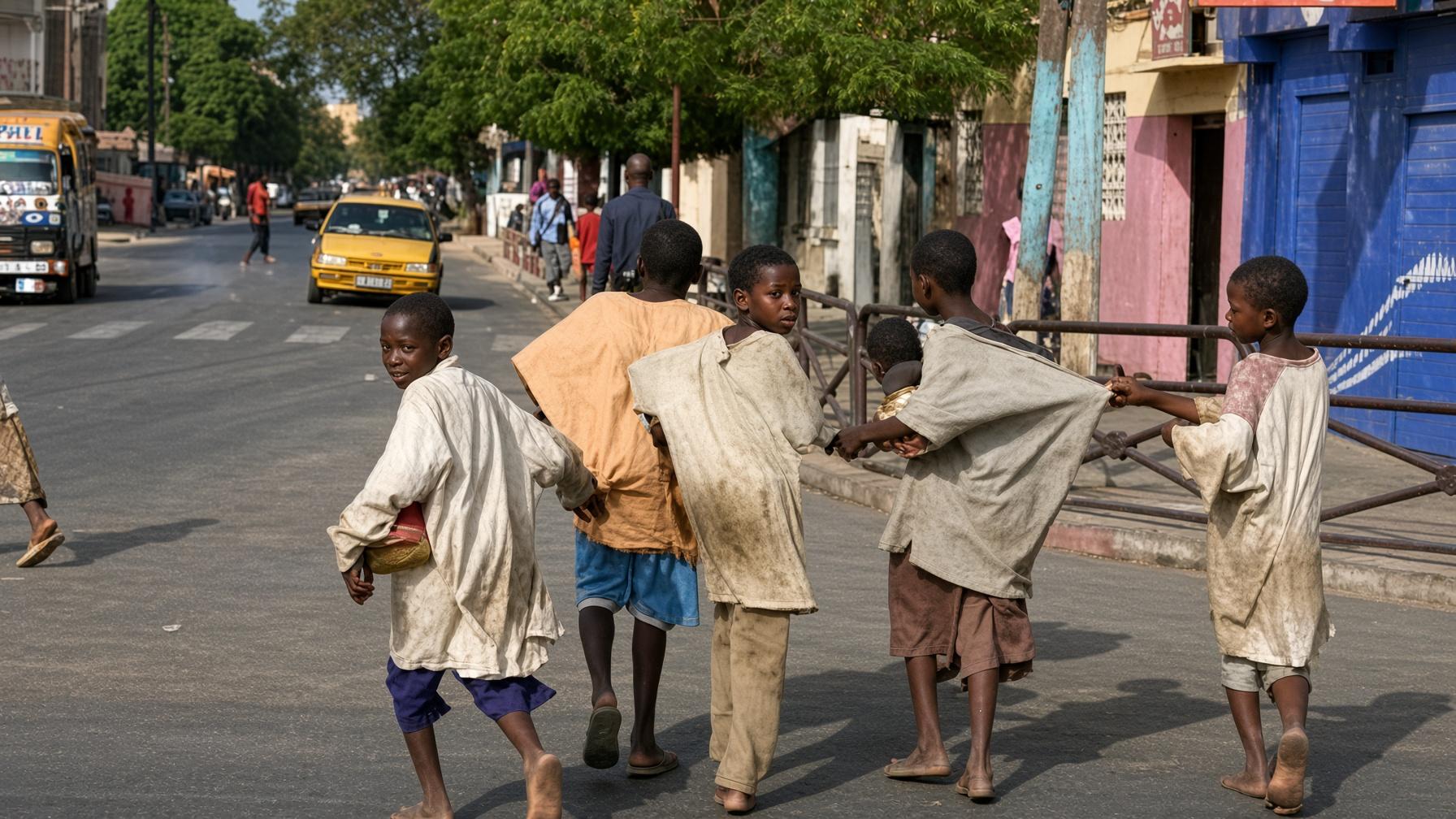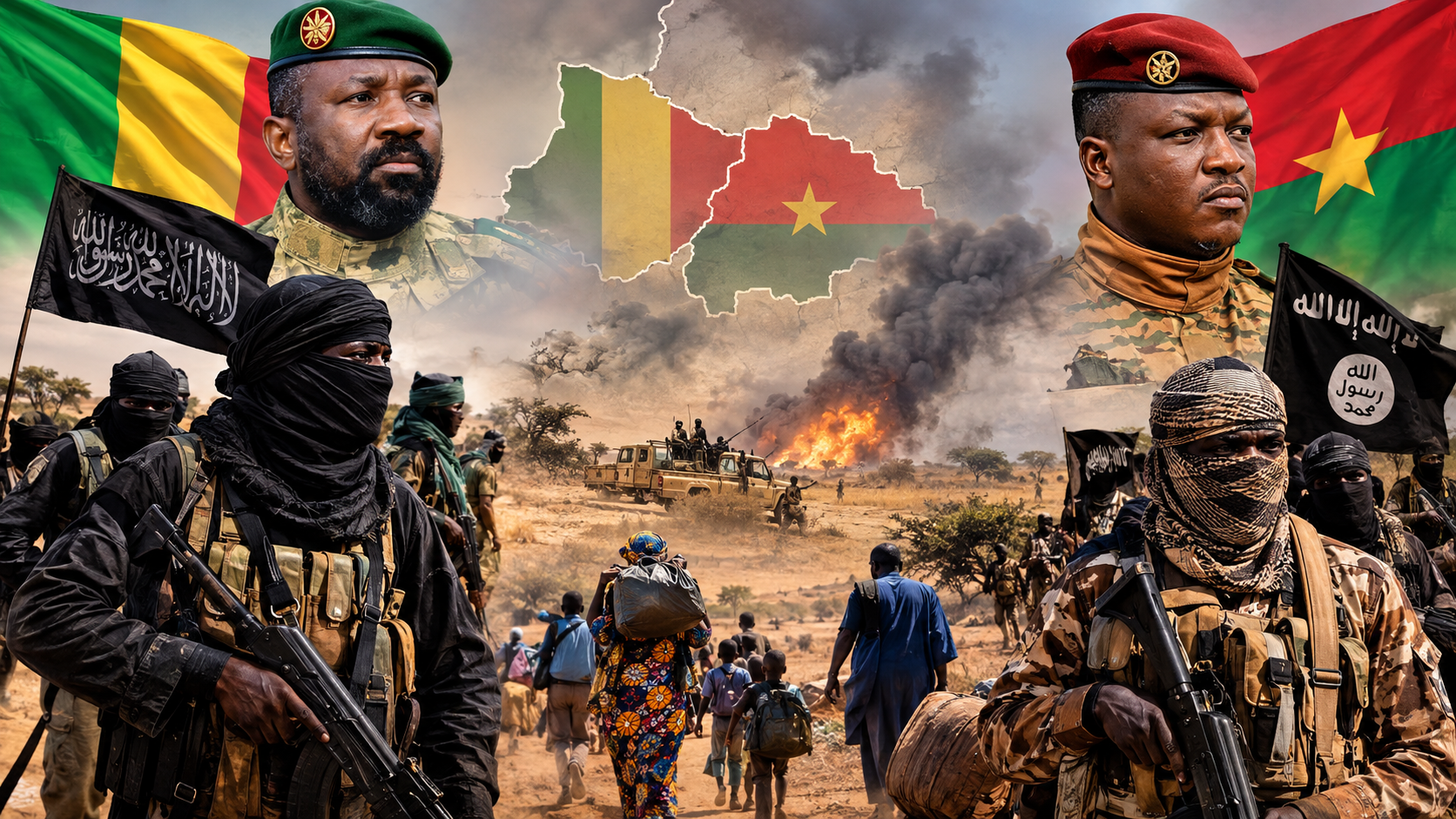
The once-contested borderlands between Mali and Burkina Faso have become a flashpoint for escalating armed hostilities, where rival jihadist factions now dictate the terms of engagement. Recent clashes between the Group for Support of Islam and Muslims (JNIM), an Al-Qaeda affiliate, and the Islamic State in the Sahel (ISS), have exposed the widening gap between military juntas’ territorial ambitions and their on-the-ground capabilities.
From promises to paralysis: Juntas’ unfulfilled security pledges
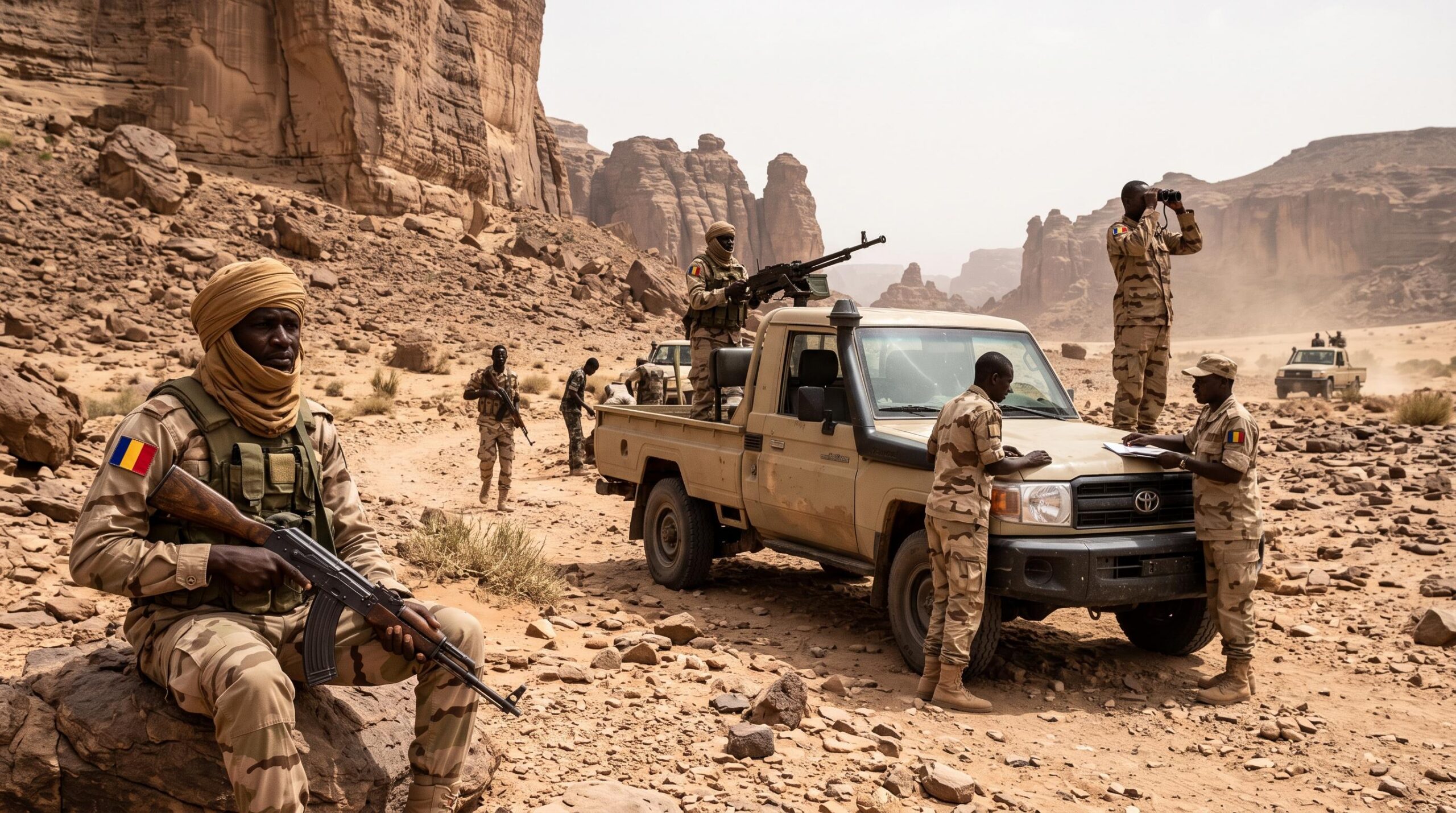
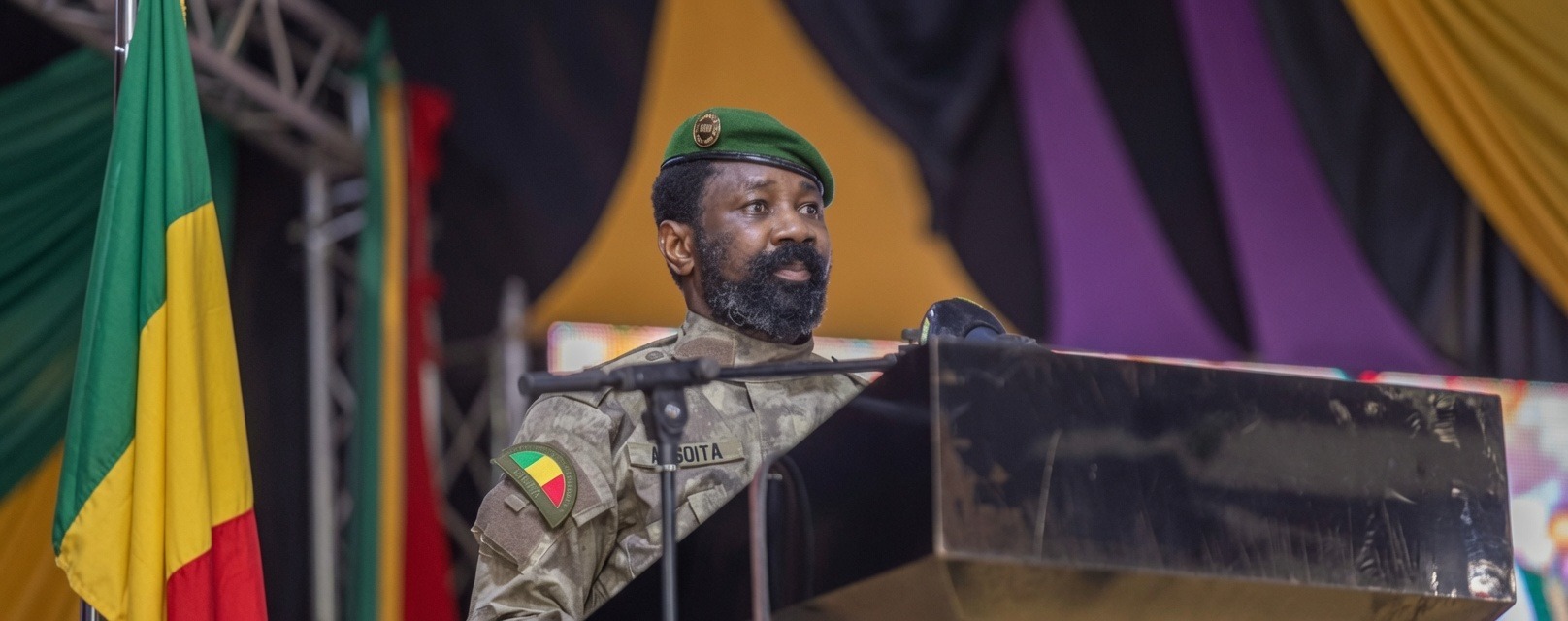
Both Mali and Burkina Faso have experienced military takeovers in recent years, each junta framing its rise to power as a necessary response to spiraling insecurity. Yet despite bold rhetoric about reclaiming lost territories and crushing armed groups, the reality on the border reveals a starkly different narrative. Entire districts remain lawless battlegrounds, where jihadist fighters rather than state forces impose curfews, regulate commerce, and extract resources from terrified civilian populations.
The failure to decisively shift momentum in favor of state authority is glaring. Years after coups d’état justified by a return to constitutional order and security, vast swaths of the Sahel remain virtual no-go zones remote, ungoverned, and under the de facto control of militant factions. These conditions have not only fueled displacement crises but also eroded public trust in military leadership on both sides of the frontier.
When jihadists fight jihadists: a worsening humanitarian crisis
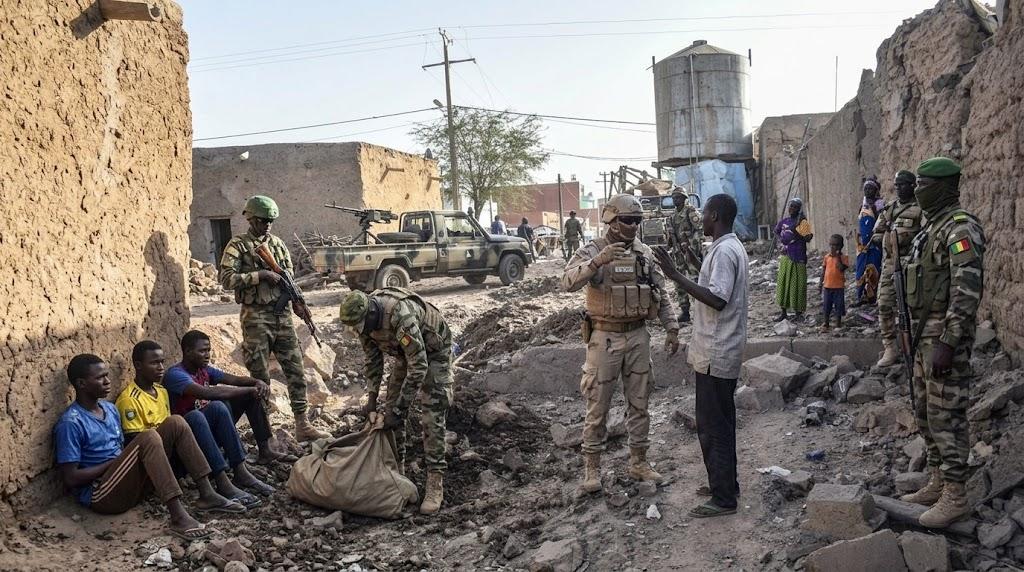
The escalation between JNIM and ISS is not merely a regional skirmish; it is a full-scale proxy conflict over influence, resources, and survival. As these groups battle for territorial dominance, civilians bear the brunt caught between indiscriminate attacks, forced conscription, and the collapse of essential services. Markets are shuttered. Schools are closed. Families flee under cover of darkness, abandoning homes and livelihoods to the mercy of armed patrols and airstrikes alike.
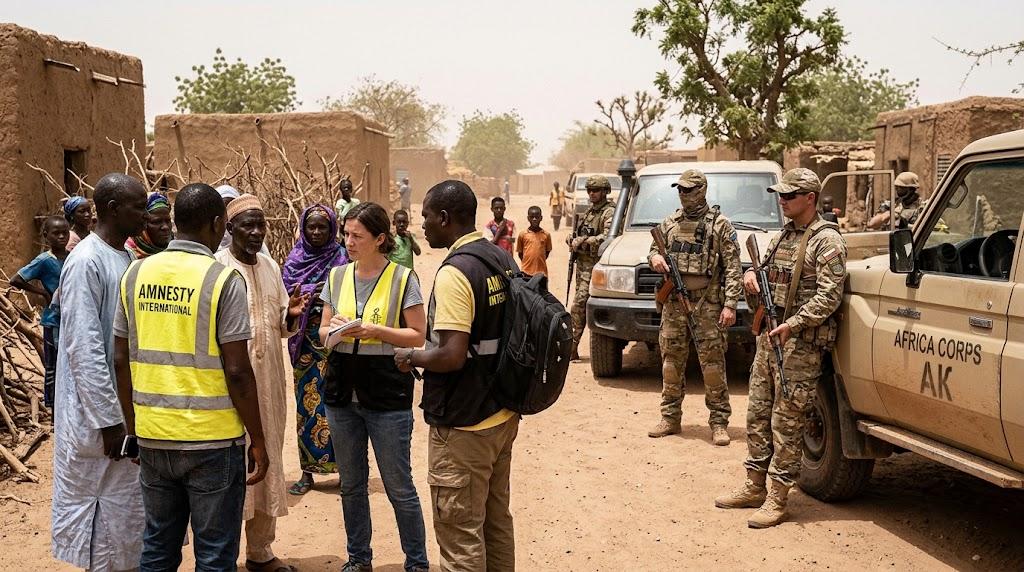
Communities once torn between two extremist visions now face a third silent enemy: starvation. Food convoys are frequently ambushed. Cultivation is impossible in contested zones. Humanitarian operations struggle to navigate shifting frontlines, leaving thousands on the brink of famine. The irony is profound: while juntas in Bamako and Ouagadougou pledge sovereignty and national unity, their inability to protect civilians has turned the border region into one of the world’s most precarious humanitarian crises.
Beyond the battlefield: what it takes to break the cycle
Critics argue that military juntas have prioritized symbolic victories such as flashy parades or high-profile raids over sustainable stabilization. Yet defeating jihadism in the Sahel requires more than kinetic operations. It demands intelligence networks rooted in local trust, administrative presence that extends beyond garrison towns, and a commitment to reintegrating former combatants and disaffected youth. Without this holistic approach, even the most ambitious military campaigns risk becoming temporary, reactive measures.
The current standoff between JNIM and ISS underscores a hard truth: territorial control is not synonymous with governance. A junta that cannot prevent rival extremist factions from fighting over its soil has already conceded strategic legitimacy. The question now is not whether the juntas can recapture lost territory, but whether they can create the conditions for peace before the cycle of violence consumes another generation.
A turning point ignored: the cost of delayed action
History may record these clashes as the moment when Sahelian states lost the initiative in their own borderlands. Each skirmish that goes unchallenged, each village abandoned, each civilian displaced, chips away at the juntas’ credibility. The longer the impasse persists, the harder it becomes to reclaim moral and operational authority. Civilians once hopeful that coups would herald a new era now face a bleak reality: unending insecurity, fragmented governance, and the cruel calculus of survival in the shadows of two failing states.
For the world watching from afar, the lesson is clear. In the struggle for the Sahel, rhetoric alone cannot displace reality. And when reality dictates that jihadists set the rules, the only turning point left may be the point of no return.
By François Mvondo — Journalist