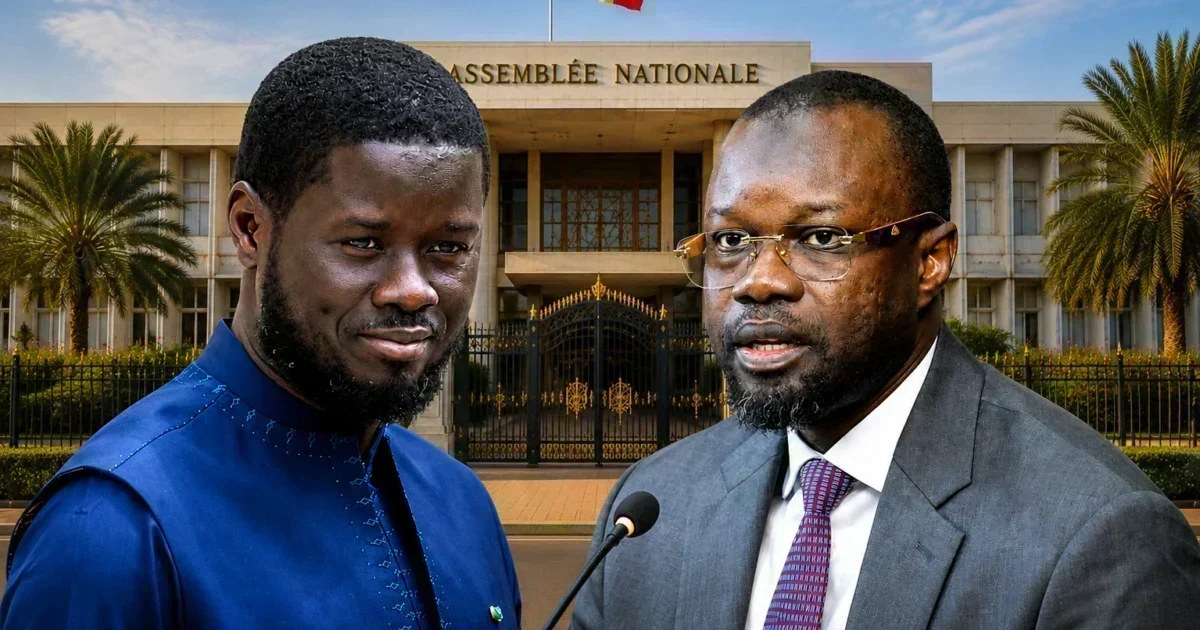
Senegal’s political landscape has reached a critical juncture as the parliamentary commission investigating land management issues faces a bold defiance from the presidential inner circle. The refusal of Demba Dieng, former Director of the Land Registry and presidential advisor, to appear before the commission has triggered a high-stakes confrontation between the executive and legislative branches.
Background: The land management probe and rising tensions
The parliamentary commission’s investigation into alleged mismanagement of state land has uncovered disturbing irregularities that implicate several high-ranking officials. As the probe gained momentum, multiple figures declined to testify, raising suspicions of a coordinated effort to obstruct justice. Demba Dieng’s non-compliance with her summons marks the most high-profile resistance yet in this escalating institutional standoff.
Why Demba Dieng’s refusal carries unprecedented weight
As a former Director of the Land Registry — the very system under scrutiny — and a current presidential advisor, Demba Dieng’s absence from the proceedings sends a powerful signal. Her decision to ignore the summons, communicated through an official commission statement, suggests a deliberate strategy to obstruct the investigation. Unlike military officials who cited their status as grounds for non-compliance, Dieng offered no official justification for her refusal, intensifying speculation about presidential involvement.
Political observers suggest a tacit understanding exists: collaborators of the president may only appear before parliamentary commissions with prior authorization from the head of state. This interpretation, though unconfirmed by any official statement, has fueled perceptions of a coordinated resistance within the presidential team.
Uncertainty grows: How many others are refusing?
Former Higher Education Minister Daouda Ngom has publicly announced his compliance with the commission’s summons, breaking ranks with the growing resistance. In a statement, Ngom revealed that at least six current or former ministers had also refused to appear. While the commission has neither confirmed nor denied Ngom’s claims, the assertion introduces a new layer of intrigue to the unfolding crisis.
- Unverified claims point to potential obstruction by multiple senior officials
- The commission has not disclosed the identity of those refusing to comply
- Each refusal is treated as an act of presumed good faith under Senegalese procedural law
What’s next? The commission’s next moves and legal implications
The commission has stated its intention to continue its investigation in line with its mandate, but the path forward remains unclear. With key witnesses absent and no official explanation for their refusals, the legitimacy of the probe itself faces growing scrutiny. Political analysts warn that prolonged defiance could erode public trust in both the legislative process and the government’s commitment to transparency.
As the parliamentary commission prepares for its next session, the nation watches closely. Will more members of the presidential circle refuse to appear? How will the Assembly respond to this escalating institutional challenge? The answers will determine whether this probe becomes a turning point in Senegal’s political history — or merely the first salvo in a deeper constitutional crisis.