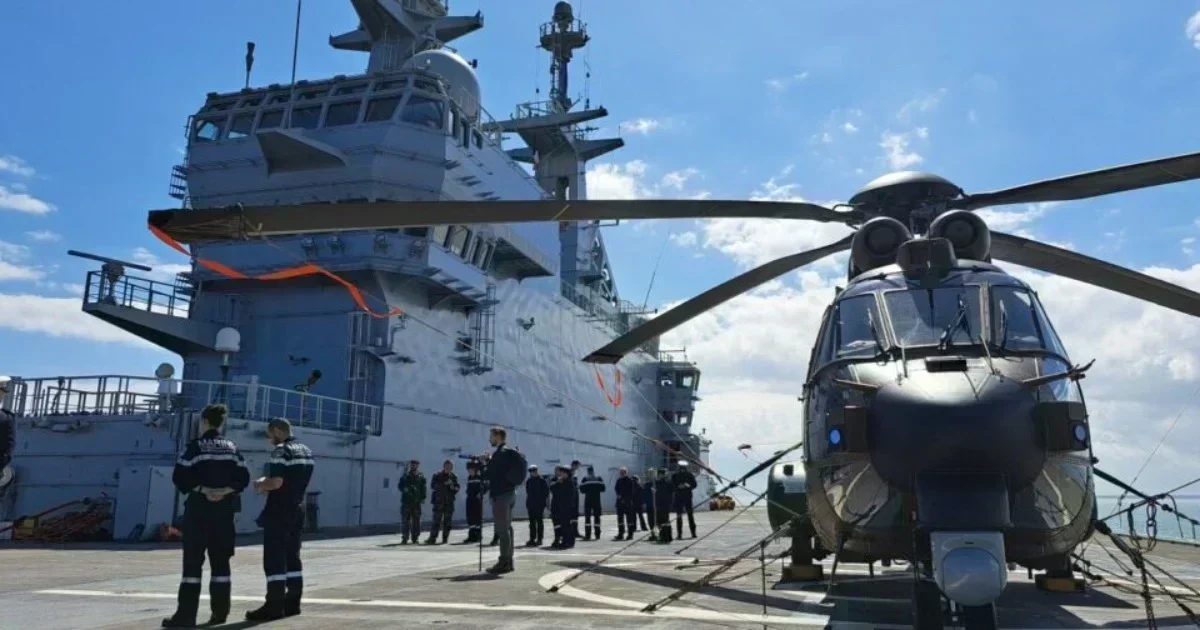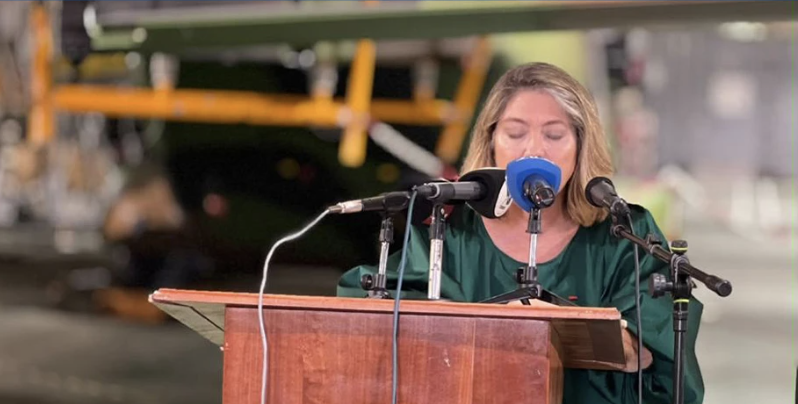
The arrival of the French Navy’s Mistral helicopter carrier in Dakar has set off a wave of reactions in Senegal, as Paris frames the port call as a milestone in a refreshed military partnership between the two nations. French Ambassador Christine Fages described the visit as a clear symbol of strengthening ties, but the question on many minds is: what does this quiet reset actually mean for Senegal’s future defense and foreign policy?
The Mistral, a key asset in France’s naval fleet, is frequently deployed for humanitarian assistance and power projection missions. Its docking in Dakar follows a period of shifting military alignments across West Africa, where governments are reassessing defense cooperation with traditional partners. Observers are now examining whether this visit signals a sustainable shift or merely a symbolic gesture amid evolving regional dynamics.
Diplomatic signals and public debate
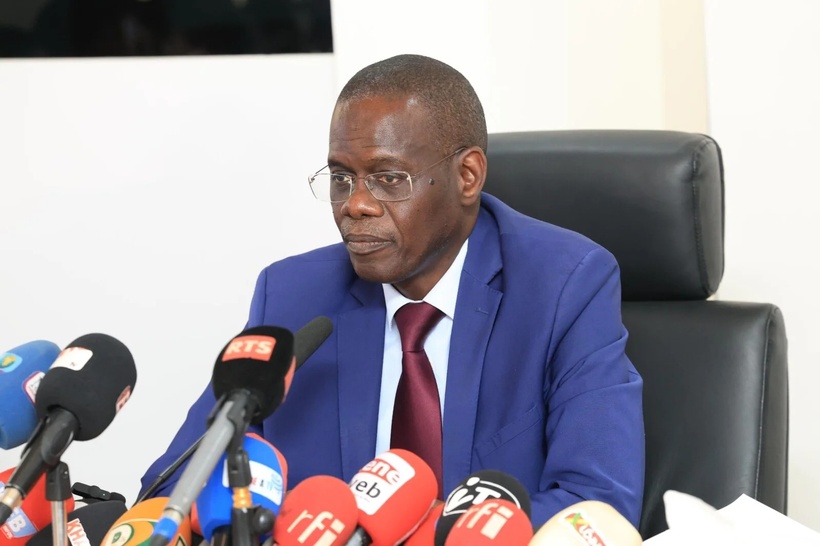
Ambassador Fages’ remarks placed heavy emphasis on the idea of a renovated partnership, suggesting that defense ties are being rebuilt on a new strategic foundation. While no detailed breakdown of bilateral agreements was provided, her statements have sparked discussion about how this cooperation might unfold in practice.
- Strengthened engagement: The presence of the Mistral reflects France’s continued commitment to security cooperation with Senegal, aligning with broader efforts to reinforce maritime stability in the Gulf of Guinea.
- Regional implications: With several Sahel countries recalibrating their defense alliances, Dakar’s willingness to deepen ties with Paris raises questions about Dakar’s long-term strategic priorities.
- Public and political reactions: The visit has prompted mixed responses, with some praising the potential for enhanced peacekeeping and training support, while others question the long-term impact on Senegal’s sovereignty.
The diplomatic framing—using phrases like partnership renewal—has added weight to the narrative, but it remains to be seen whether this will translate into tangible security arrangements or remain largely symbolic.
Defense cooperation in a shifting West African landscape
Senegal’s military relationship with France has evolved over the years, shaped by regional security challenges and shifting political expectations. This week’s events come as Dakar faces pressure to balance partnerships with Western powers while maintaining autonomy in its defense strategy.
Key areas of potential cooperation include:
- Joint maritime surveillance and counter-piracy initiatives
- Enhanced training programs for Senegalese armed forces
- Logistical support for peacekeeping missions in the Sahel
However, the absence of a publicly shared action plan has left many details unclear, fueling speculation about the depth and longevity of this renewed alliance.
What comes next for Senegal and France?
The Mistral’s brief stopover may be over, but the conversations it initiated are just beginning. Senegal now faces decisions on whether to formalize new defense agreements and how to integrate French support without compromising its independent policy choices.
For France, the visit reinforces its role as a key security partner in West Africa—but only time will reveal whether Dakar’s openness to renewed cooperation translates into a lasting strategic shift.