Cybersecurity breach exposes hidden Russian death toll
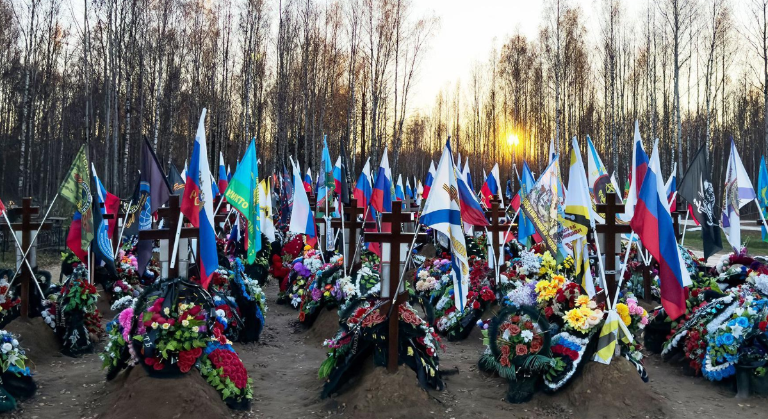
The infiltration of Rosstat’s systems by hacker groups has ignited a global debate about the true human cost of the Ukraine conflict. According to the leaked documents, Russian military fatalities have surpassed 412,576 since February 2022 — a figure that dwarfs Moscow’s official death toll and forces a reckoning on wartime transparency.
From invasion to revelation: a timeline of restrained reporting
When the full-scale invasion began on February 24, 2022, Kremlin officials reported just 5,937 military deaths by September of that year. Since then, no updated public figures have been released. Meanwhile, leaked internal records now suggest the actual number may be more than 60 times higher than Moscow’s admissions.
The cyberattack, reportedly carried out by Belarusian-affiliated hacker collectives Silent Crow and Cyberpartisans, is said to have extracted sensitive data from Rosstat — Russia’s Federal State Statistics Service — including death certificates and military casualty records.
What do the documents actually show?
While hackers claim the files contain verified evidence of 412,576 Russian military deaths, key questions remain unanswered. Do these numbers include only combat fatalities? Or do they also account for soldiers who died from injuries sustained in battle, the missing-in-action presumed dead, or those who perished from other conflict-related causes?
Rosstat has acknowledged the cyber breach but denies that sensitive military data was compromised. This contradiction has fueled skepticism, leaving analysts to call for independent verification before accepting the figures as conclusive.
Beyond the battlefield: ripple effects on Russian society
The war’s toll extends far beyond frontline statistics. With tens of thousands of soldiers killed, the nation faces demographic strain in regions already struggling with population decline. Eastern and Siberian territories, known for their aging workforce, have reportedly seen some of the highest mobilization rates — further depleting local economies and social structures.
For every death, there is a family left behind — grieving, often in silence, and frequently without official recognition. The psychological and economic fallout from these losses could ripple through Russian society for generations.
Why transparency matters now
As the conflict enters its third year, public trust in Kremlin reporting continues to erode. The absence of an updated official death toll fuels speculation and undermines confidence in both domestic and international reporting. If verified, these leaked documents could mark a turning point — not only in understanding the war’s true cost, but in reshaping global perceptions of Russia’s military strategy and its human consequences.
The question remains: Will Moscow address the growing evidence, or will the fog of war continue to obscure the full extent of its losses?