Something seismic is unfolding in the Sahel. In just a few days, a flurry of diplomatic and military moves from Benghazi to Paris has thrust Niger into the center of a high-stakes geopolitical shift. The stakes? Nothing less than the reconfiguration of regional power balances, security alliances, and economic corridors that will define the Sahel’s future for years to come.
At the heart of this transformation is Niger, a country now courted by competing powers eager to secure influence, resources, and strategic access. The speed and scope of these developments signal not just a change in alliances—but a decisive turning point with sweeping implications for the entire region.
From Benghazi to Niamey: a new security axis takes shape
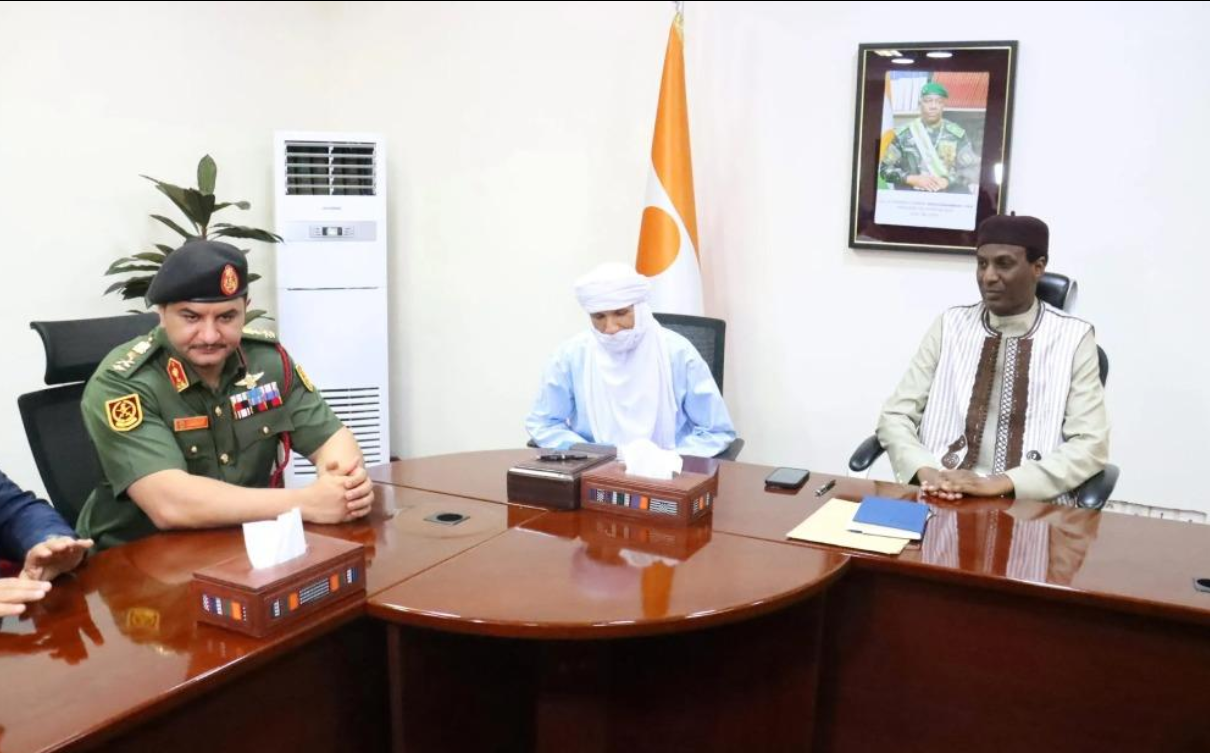
On November 1, 2026, Niger’s Prime Minister Ali Mahaman Lamine Zeine traveled to Benghazi, where he was received by Libyan military leader Saddam Haftar. The outcome? A landmark strategic cooperation agreement—its details kept confidential, but its symbolism undeniable. This move signals Niamey’s intent to diversify its security partnerships beyond traditional allies, opening channels to Libya’s eastern forces and signaling a broader reorientation in regional diplomacy.
The timing isn’t accidental
Two days later, General Khaled Haftar—commander of Libya’s eastern military forces—arrived in Paris for high-level talks with France’s top military official, General Fabien Mandon. The agenda covered military cooperation, intelligence sharing, and training. The close succession of these events suggests a growing convergence of interests between Libya’s east, Niger, and France, though claims of a coordinated strategy remain premature.
What’s clear, however, is that the Sahel is no longer being viewed solely through the lens of counterterrorism. It is now a chessboard where military, economic, and political moves are being made in rapid succession—with Niger as the pivotal square.
Algeria’s bold counterplay in the Sahel
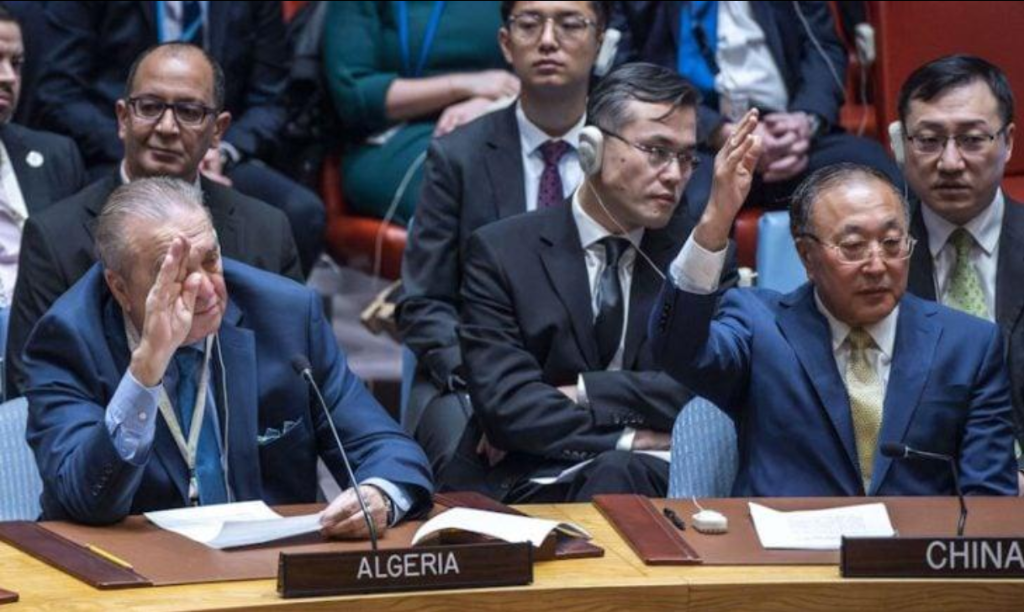
As Libya and Niger tighten their ties, Algeria has launched its own diplomatic surge. On November 3, Algerian Foreign Minister Ahmed Attaf traveled to N’Djamena as a special envoy of President Abdelmadjid Tebboune. His mission: deliver a personal message and reaffirm Algeria’s commitment to security cooperation with Chad.
The visit wasn’t purely symbolic. Alger and Chad have agreed on 27 bilateral accords, with a focus on cross-border security, combating transnational crime, and stabilizing the Sahel-Saharan belt. But the timing is telling. Tensions between Niamey and N’Djamena have flared, with Niger accusing Chad—and indirectly France—of involvement in destabilization efforts. Algeria, seeking to maintain regional influence, is positioning itself as a stabilizing force, especially as security dynamics around Niger and Libya evolve without its leadership.
UAE-Libya ties raise Algeria’s alarm
Another layer of complexity is added by the United Arab Emirates, a long-standing backer of Haftar’s Libyan National Army. Abu Dhabi’s political and military support has helped Haftar consolidate control over eastern Libya, including critical southern corridors linking to Niger. These routes are vital—not only for migration flows and trade but also for energy resources and illicit networks.
For Algeria, this development is deeply concerning. Algiers sees Libya’s stability as a direct national security issue. Any strengthening of foreign military presence or influence near its southern borders triggers immediate counter-strategies. As Haftar’s forces advance toward the Fezzan and southern Libya, Algeria is responding with urgency—raising the stakes for all actors vying for control.
Morocco-Algeria rivalry spills into the Sahel
The regional power struggle isn’t confined to Algeria and Libya. The simmering Morocco-Algeria rivalry, which erupted in 2021 with the breakdown of diplomatic relations, is now playing out on Sahelian soil. Morocco has been deepening ties with several Sahelian states, while Algeria seeks to preserve its historical role in the region.
In mid-October 2026, General Khaled Haftar made a high-profile visit to Morocco, meeting with Royal Armed Forces Inspector General Mohammed Berrid. The meeting didn’t go unnoticed in Algiers. When combined with Abu Dhabi’s backing of Haftar and Moroccan-Sahelian cooperation, it forms a pattern: a potential informal alliance of interests that Algeria sees as encircling it strategically.
This is not a formal military bloc—but a network of overlapping relationships that could redefine regional power structures. And at its core lies Niger, a country with the geographic leverage to tip the balance.
Niger’s strategic gamble: diversifying beyond dependence
Niger isn’t waiting for the dust to settle. On October 25, 2026, Algeria’s Parliament granted approval for the deployment of military forces in Niger—an unprecedented move signaling Niamey’s willingness to embrace new security partners. The move reflects a deliberate strategy: avoid over-reliance on any single ally, whether France or a regional neighbor.
This multilateral approach is visible in Niger’s simultaneous engagement with Algeria, Libya’s eastern leadership, and, tacitly, France. Each relationship serves a different purpose—security with Algeria, economic leverage with Libya, and diplomatic balance with France. The goal is clear: position Niger as a sovereign actor in a region where external powers once dictated the terms.
Is France losing ground in the Sahel?
France, once the dominant military and political presence in the Sahel, now faces a rapidly changing landscape. While Paris still maintains contacts with regional leaders—including Haftar—its influence is no longer uncontested. The Libyan meeting in Paris suggests a pragmatic shift: maintaining influence through selective partnerships rather than broad military commitments.
Yet, whether this reflects a coherent strategy—or a fragmented response to regional shifts—remains unclear. What is certain is that Niger’s pivot is not isolated. It is part of a broader reconfiguration where old alliances fracture, new ones form, and the very definition of power in the Sahel is being rewritten.
Conclusion: the Sahel’s new center of gravity
The Sahel is no longer just a battleground against armed groups. It has become a theater of competition: for control of trade routes, energy corridors, and political alliances. In this high-stakes environment, Niger has emerged not as a passive player—but as a decisive pivot around which the region’s future is being reshaped.
From Benghazi to Algiers, from Abu Dhabi to Paris, the message is the same: whoever secures Niger’s trust and cooperation gains a strategic foothold in the Sahel. The question now is not whether the power map will change—but how far—and how quickly. One thing is certain: the turning point has already begun.