UN Security Council deadlock underscores pivotal moment for Western Sahara
The United Nations Security Council has reached a historic impasse over the future of Western Sahara. On October 30, 2026, a high-stakes diplomatic showdown saw Russia veto a US-backed resolution that sought to entrench Morocco’s autonomy plan as the sole framework for negotiations—while Moscow’s competing proposal for a simple mandate extension also collapsed. With no consensus in sight, the mission of the UN Mission for the Referendum in Western Sahara (MINURSO) now hangs in the balance, marking a decisive turning point in a decades-old conflict that has defied a lasting political settlement.
US resolution seeks to redefine MINURSO’s role
The American-led draft aimed to renew MINURSO’s mandate until October 31, 2027, but went far beyond a mere time extension. Its most controversial provision was the elevation of Morocco’s autonomy initiative under Moroccan sovereignty as the exclusive basis for future talks. The resolution also proposed stripping the word “referendum” from MINURSO’s title, rebranding it as the UN Mission in Western Sahara (MINUSO), and signaled a gradual shift from peacekeeping to a political mission—potentially phasing out its core function of facilitating self-determination.
Washington argued such changes would provide a clear path forward, aligning the UN’s efforts with recent diplomatic realities in the region. Supporters, including ten of the Council’s non-permanent members, framed the proposal as a pragmatic response to the stalemate that has plagued the peace process for years.
Russia exercises veto, derailing Western-backed plan
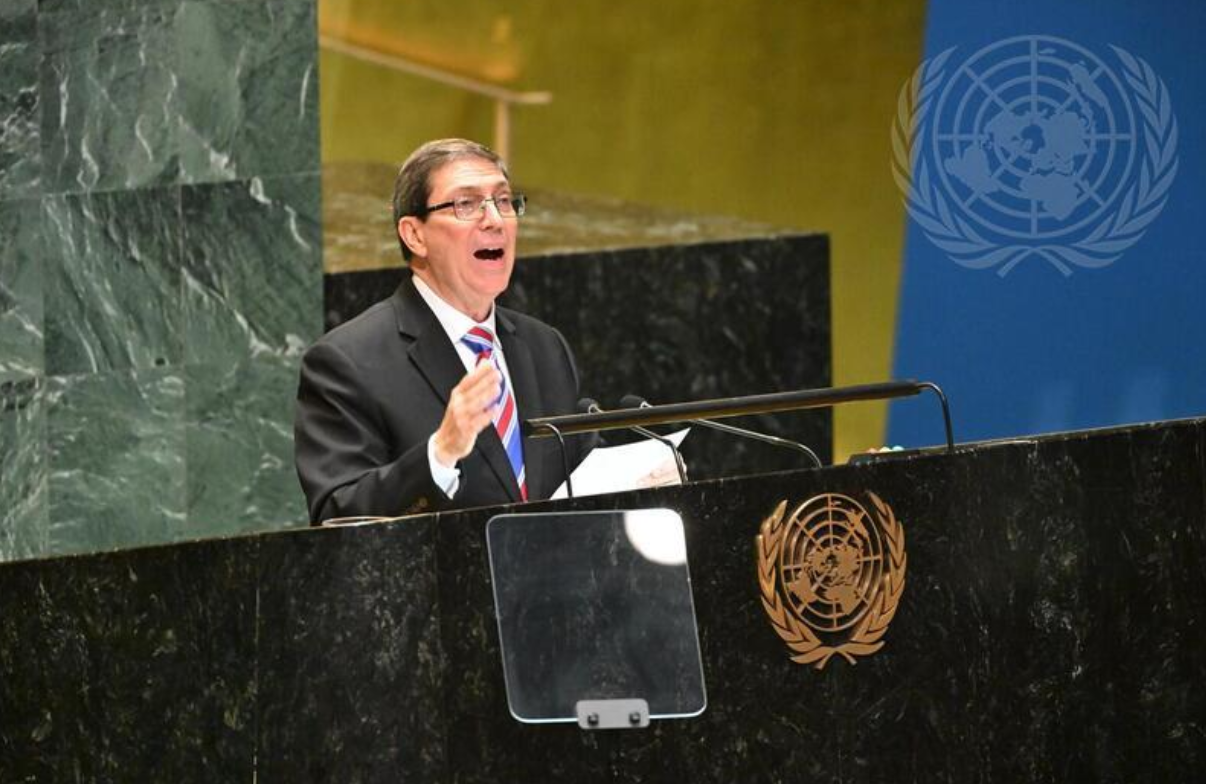
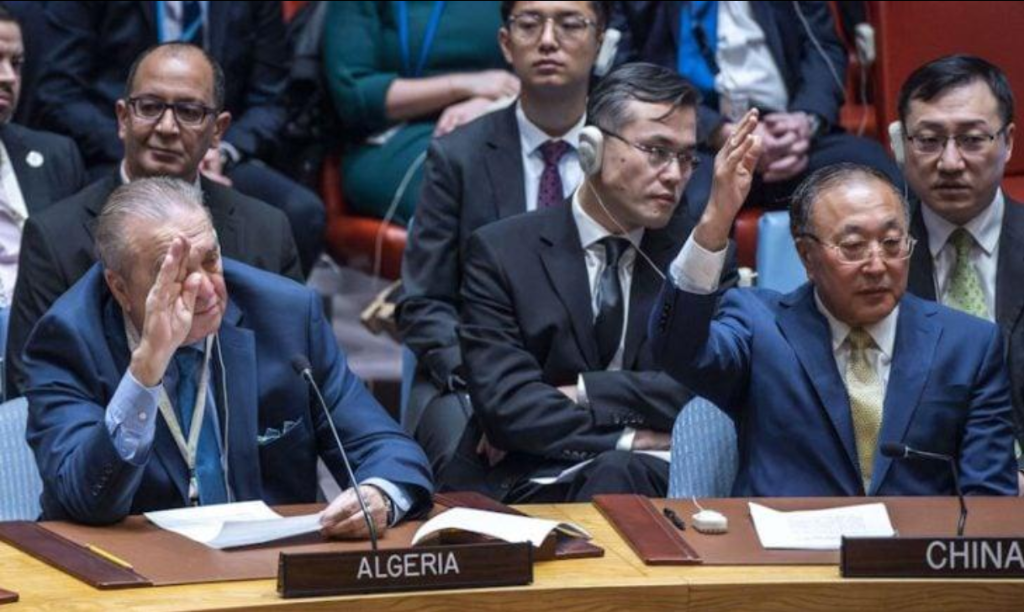
The voting outcome exposed deep rifts: eleven members voted in favor, three abstained (China, Pakistan, Somalia), and Russia used its veto to block adoption. Despite strong support from Western-aligned voices and several African states, the resolution failed under the permanent member veto system enshrined in the UN Charter. Article 27 grants each of the five permanent members the power to override a majority decision on non-procedural matters—leaving the US-led initiative in ruins.
Moscow’s rejection was not merely procedural. Russian diplomats condemned the American text as a unilateral attempt to impose a preordained political outcome, warning that it would undermine the principle of self-determination enshrined in the UN Charter and sideline legitimate Sahrawi aspirations. The move reflected a broader effort by Russia to maintain a balanced political process, one that preserves the possibility of meaningful negotiation rather than a fait accompli.
Russia’s fallback plan fails to garner support
Undeterred by the failure of the American draft, Russia hastily circulated an alternative proposal: a straightforward one-year extension of MINURSO’s existing mandate, unchanged in name or scope. The initiative was framed as a necessary measure to avert a sudden withdrawal of the UN presence and preserve continuity in monitoring the ceasefire that has largely held since 1991.
However, the Russian counter-text received only three votes in favor—Russia, China, and Somalia. The United States voted against it, while eleven members abstained. The lack of sufficient support (a minimum of nine affirmative votes is required) meant the proposal died without the need for another veto. The episode revealed how deeply polarised the Council remains, even on seemingly uncontroversial matters.
Self-determination at the heart of the divide
The clash between resolutions is ultimately a clash over sovereignty and identity. Since its establishment in 1991, MINURSO’s primary mandate has been to organize a referendum on self-determination for the Sahrawi people. That vote has never taken place, due to disputes over voter eligibility and the contours of independence versus autonomy under Moroccan sovereignty.
The Moroccan government champions its autonomy plan as a final, mutually acceptable solution—one that preserves its territorial integrity while offering limited self-rule to Western Sahara. The Polisario Front, recognized as the legitimate representative of the Sahrawi people, insists that only an internationally supervised referendum can legitimately determine the territory’s future, with independence as a viable option on the table. Sahrawi activists and human rights groups have decried the American proposal as a betrayal of their right to choose their own destiny.
MINURSO in limbo as deadline passes
With MINURSO’s mandate set to expire on October 31, 2026, the Council’s inability to reach consensus has created a dangerous legal vacuum. There is no clear mechanism for extending the mission’s operations, and no consensus on whether the status quo can—or should—be maintained. Humanitarian and peacekeeping operations remain suspended in uncertainty, risking a resurgence of tensions on the ground.
The double failure—first of the American plan, then of the Russian alternative—leaves the Saharawi question in uncharted territory. It is not just a failure of diplomacy; it is a failure of vision. As geopolitical interests clash over principles of sovereignty and self-rule, the Sahrawi people remain suspended between hope and exclusion, their right to determine their future hanging in the balance like never before.
What comes next for Western Sahara?
Diplomatic observers warn that the current deadlock risks entrenching the conflict further. Without a functioning UN monitoring mechanism, ceasefire violations could go unreported. More critically, the absence of a political track diminishes any prospect of restarting talks. Both Morocco and the Polisario have signaled willingness to negotiate—but only on terms that align with their core demands.
Yet history shows that no externally imposed solution will endure without buy-in from all parties, especially the Sahrawi people themselves. For the international community, the challenge is clear: to revive a process that respects international law, upholds human rights, and restores a pathway toward genuine self-determination. Whether such a formula exists in today’s fractured Security Council remains an open—and increasingly urgent—question.