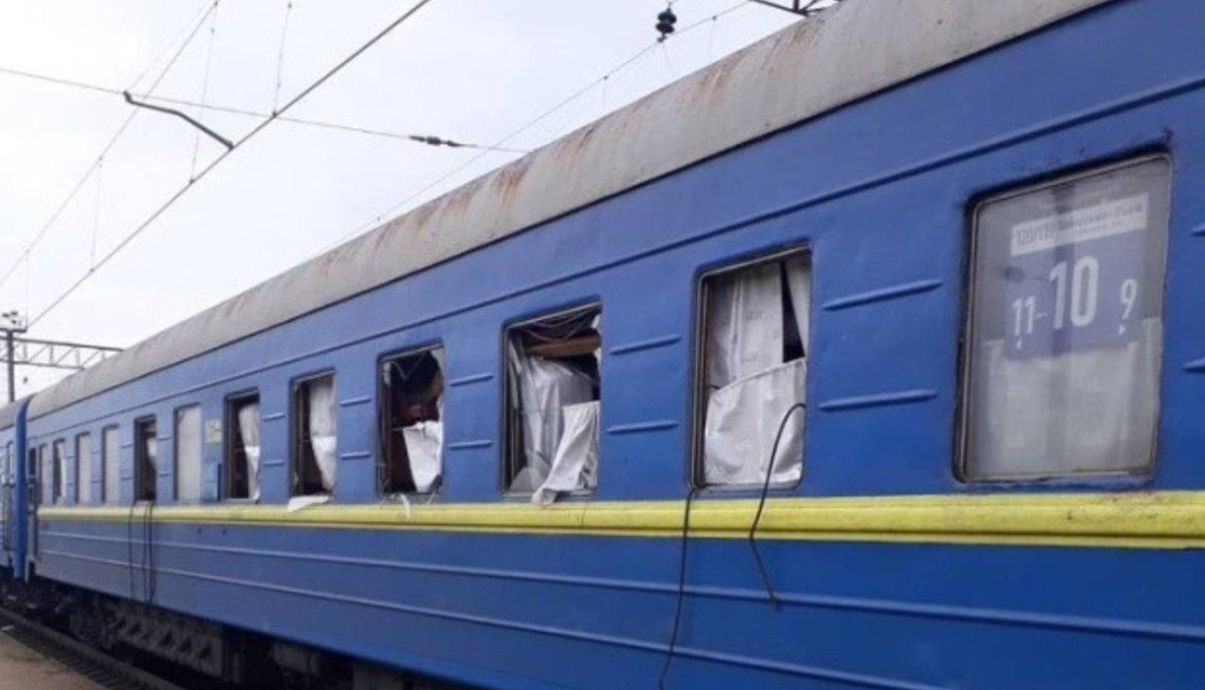
A devastating escalation: drone strike shakes Dnipro’s railway hub
On the morning of October 29, 2026, the bustling platform of Dnipro’s central train station became the epicenter of a horrifying attack. A Russian jet-powered drone tore through the civilian crowd, leaving at least thirteen people dead and triggering a frantic rescue operation. Among those caught in the blast was Train No. 866, bound for Zaporizhzhia, a critical connection severed by war.
From routine travel to sudden tragedy: how the attack unfolded
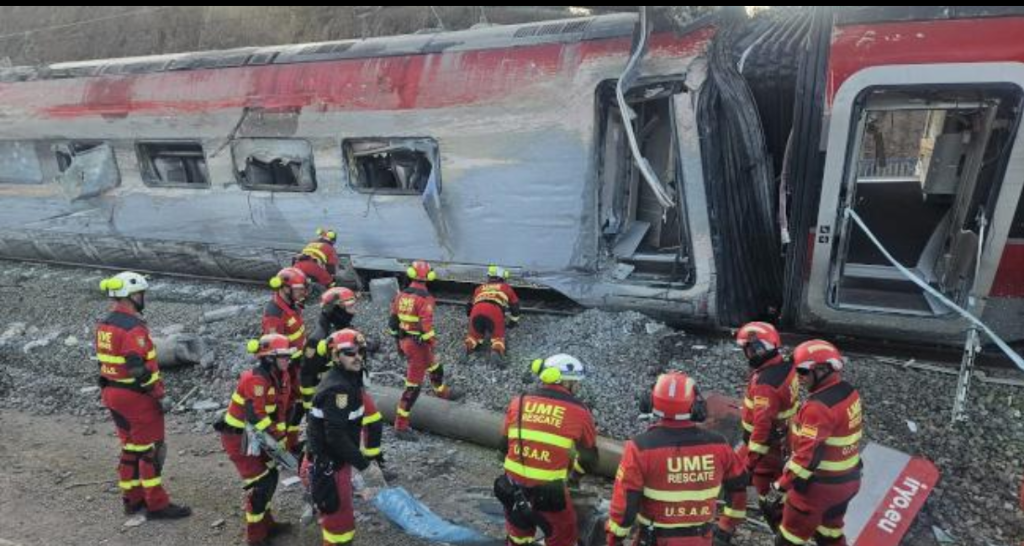
The attack struck a moment of collective motion—passengers boarding, others waiting, all under the watchful eyes of a system meant to transport, not to terrify. Ukrainian authorities confirmed the strike landed precisely where civilians had gathered, turning a place of transit into a scene of chaos. Emergency responders, medical teams, and security forces converged on the scene, their efforts complicated by the sheer unpredictability of drone warfare.
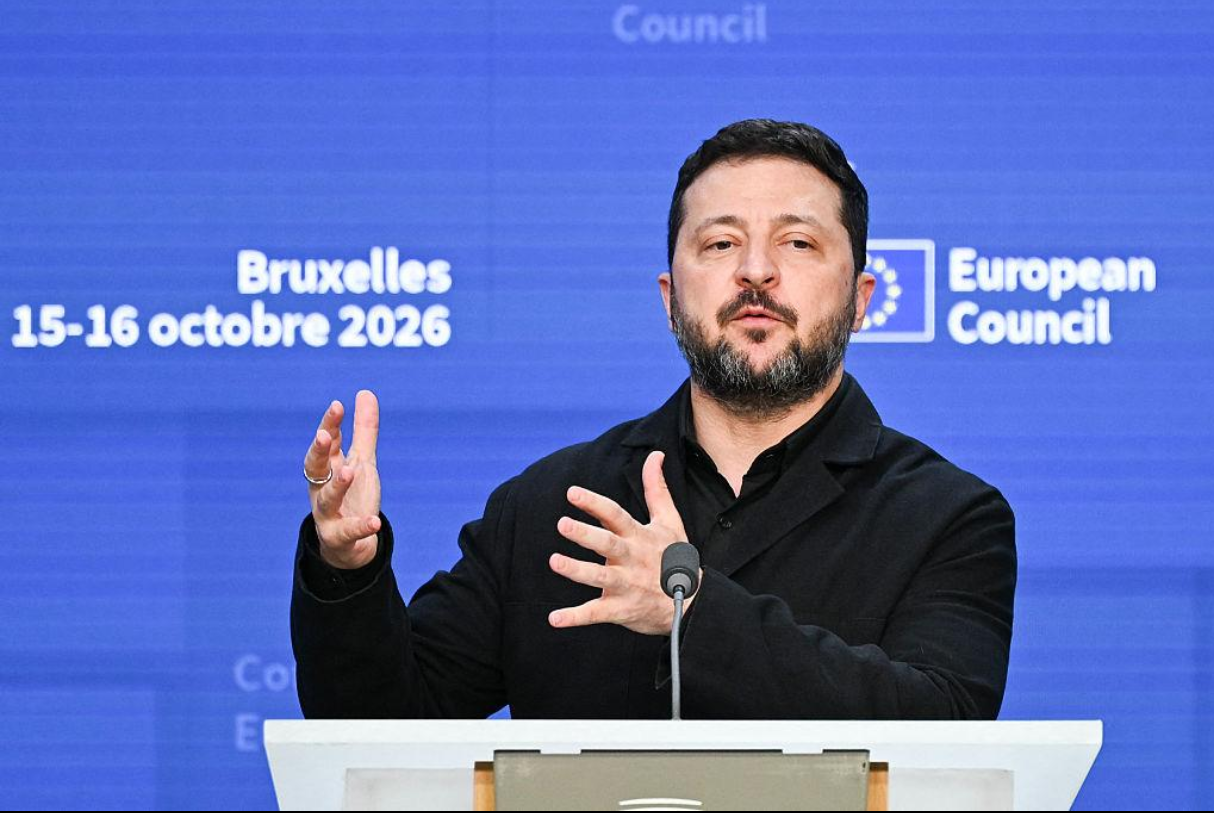
Mayor Borys Filatov labeled the strike a deliberate targeting of civilian life, while President Volodymyr Zelensky condemned the act as an egregious violation of humanitarian norms. The attack’s timing—during a period of heightened tensions—only deepened its impact, raising urgent questions about the vulnerability of Ukraine’s essential infrastructure.
Railways under siege: why transportation hubs face relentless threats
Since Russia’s full-scale invasion in 2022, Ukraine’s railway network has stood as a lifeline, ferrying civilians, goods, and hope across war-torn regions. Yet these very hubs—once symbols of connectivity—have become high-risk targets. The strike on Dnipro’s station exposed the fragility of even the most routine civic spaces under drone warfare.
Alerts had been issued, yet the sheer density of travelers and the urgency of departures made evacuation a challenge. Ukrzaliznytsia, Ukraine’s state railway operator, acknowledged the difficulty of safeguarding stations under persistent aerial threats, where milliseconds can mean the difference between safety and catastrophe.
Drones redefine the battlefield: a tactical shift with deadly consequences
The use of jet-powered drones represents a tactical evolution in this conflict—a shift from traditional artillery to precision strikes from beyond the horizon. Unlike propeller-driven drones, these high-speed projectiles evade traditional radar and intercept systems, leaving civilian areas perilously exposed. For Ukraine, the stakes are clear: defending critical infrastructure demands cutting-edge countermeasures, yet the cost remains prohibitive.
The specifics of the Dnipro strike—its trajectory, intended target, and the drone’s origins—remain under investigation. What is undeniable is the human toll: thirteen lives lost in an instant, each a story cut short by the war’s relentless march.
Ukraine’s plea for action amid rising civilian casualties
In the aftermath, Ukrainian leadership renewed calls for stronger international support, urging Western allies to escalate pressure on Moscow. The strike on Dnipro is not an isolated incident but part of a disturbing pattern—one that tests the limits of international humanitarian law and the global community’s resolve to protect civilians.
For the people of Dnipro, the attack is more than a statistic; it is a rupture in daily life. Commuters now face dilemmas unknown to previous generations: Do they risk the train? Trust the alerts? Or forgo journeys altogether? The answer lies not in resignation but in collective action—from policymakers to ordinary citizens—to end this cycle of violence.
What’s next for Ukraine’s civil defense against aerial threats?
As reconstruction efforts begin and the bereaved are mourned, the focus turns to prevention. Ukraine’s railway authority is reviewing security protocols, yet the reality remains stark: no station, no train, no platform is immune when drones become weapons of war. The international community’s role will be decisive—whether through technological support, sanctions, or diplomatic intervention. One thing is certain: the strike on Dnipro marks a turning point, not just in this conflict, but in the very nature of modern warfare.