Lula secures fourth term but Bolsonaro’s legal battle threatens to overshadow historic victory
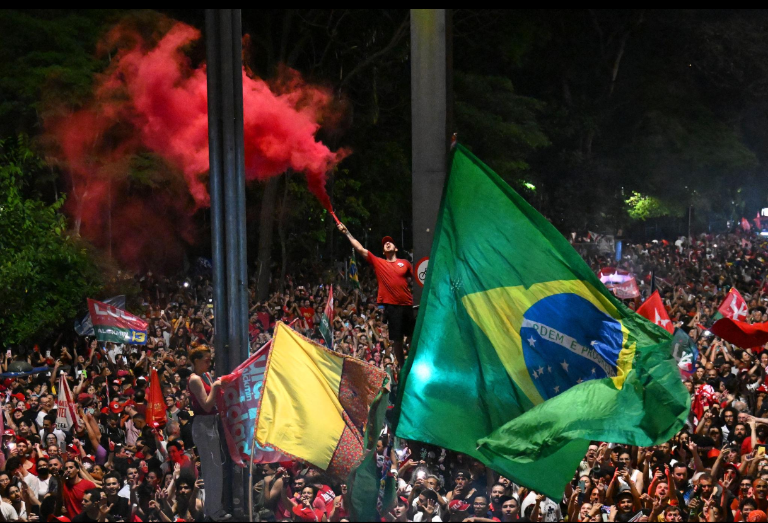
Luiz Inácio Lula da Silva has clinched a historic fourth presidential term in Brazil, winning 51.79% of the vote. His opponent, Flávio Bolsonaro, has refused to concede, citing irregularities and demanding the election be annulled after a last-minute polling extension. The contest now shifts from ballots to courtrooms, with both sides claiming procedural injustices.
From ballots to appeals: the legal battle begins
The TSE’s official results, verified in Brasília, show Lula securing 64,256,232 votes against Flávio Bolsonaro’s 59,826,041—a gap of over 4.4 million votes. Yet the defeated candidate alleges the election’s integrity was compromised by a Supreme Court judge’s decision to extend voting hours in select districts to address logistical delays.
Flávio Bolsonaro’s legal team argues the late adjustment—extending polls to 7 PM in some areas—disrupted fairness, violating electoral equality. His camp announced immediate legal action, calling for the vote’s nullification. Though the TSE acknowledged operational challenges, it approved the extension after both campaigns had separately requested additional time under different pretexts.
The judge’s ruling, while framed as a humanitarian measure to aid voters delayed by adverse weather and transit issues, has become the linchpin of Bolsonaro’s challenge. His team contends it created an uneven playing field, with some voters casting ballots under altered conditions while others followed the original schedule.
Political fault lines deepen after polarized race
This election laid bare Brazil’s enduring ideological divide: Lula’s legacy of social programs and anti-inequality policies against the Bolsonaro movement’s emphasis on traditional values, law-and-order governance, and conservative reforms.
For Lula, the victory marks an unprecedented return to power after earlier terms (2003–2010) and a 2022 comeback. His ability to reverse polling deficits in the runoff, rallying support around his welfare record and poverty alleviation, underscored his enduring appeal among Brazil’s marginalized communities.
Flávio Bolsonaro, son of the former president facing prison for alleged coup attempts, stands as the torchbearer of this conservative tide. His refusal to concede has intensified concerns over democratic erosion and institutional trust, particularly as the judiciary plays a decisive role in validating the outcome.
A divided nation faces constitutional reckoning
Lula faces the formidable task of uniting a electorate where nearly half rejected his leadership. His post-victory statement struck a unifying note: “It’s my duty to govern for all Brazilians, not just my supporters.” Yet his legislative agenda may face stiff resistance in Congress, where conservative factions wield significant influence.
Institutional resilience is now on trial. While the TSE’s certification of Lula’s victory remains unchallenged, the legitimacy of the process hinges on the judiciary’s handling of Flávio Bolsonaro’s appeal. Legal experts suggest the case will test Brazil’s electoral framework, potentially setting precedents for future contests.
The coming weeks will reveal whether this legal challenge remains confined to courtrooms—or spirals into a broader crisis, testing the country’s democratic institutions and social cohesion.
Timeline of the electoral dispute
- October 25, 2026: Election held; Lula declared victor with 51.79% of the vote.
- Late evening: TSE approves polling extension in select districts due to voter accessibility issues.
- October 26: Flávio Bolsonaro announces legal challenge, citing procedural irregularities and compromised fairness.
- Immediate future: Supreme Court to review appeal; political and judicial communities brace for potential fallout.
What’s next for Brazil?
The outcome of this legal battle will shape Brazil’s political trajectory. Lula’s fourth term begins against a backdrop of deep divisions, with his governance likely dictated by compromise in a fragmented legislature. Meanwhile, Flávio Bolsonaro’s legal gambit underscores a broader conservative movement’s refusal to accept defeat, raising questions about institutional trust.
For now, one fact remains unchallenged: the Brazilian people have spoken. The rest will play out in the halls of justice—and the court of public opinion.