From protest to proxy war: the calculated betrayal behind Cameroon’s anglophone uprising
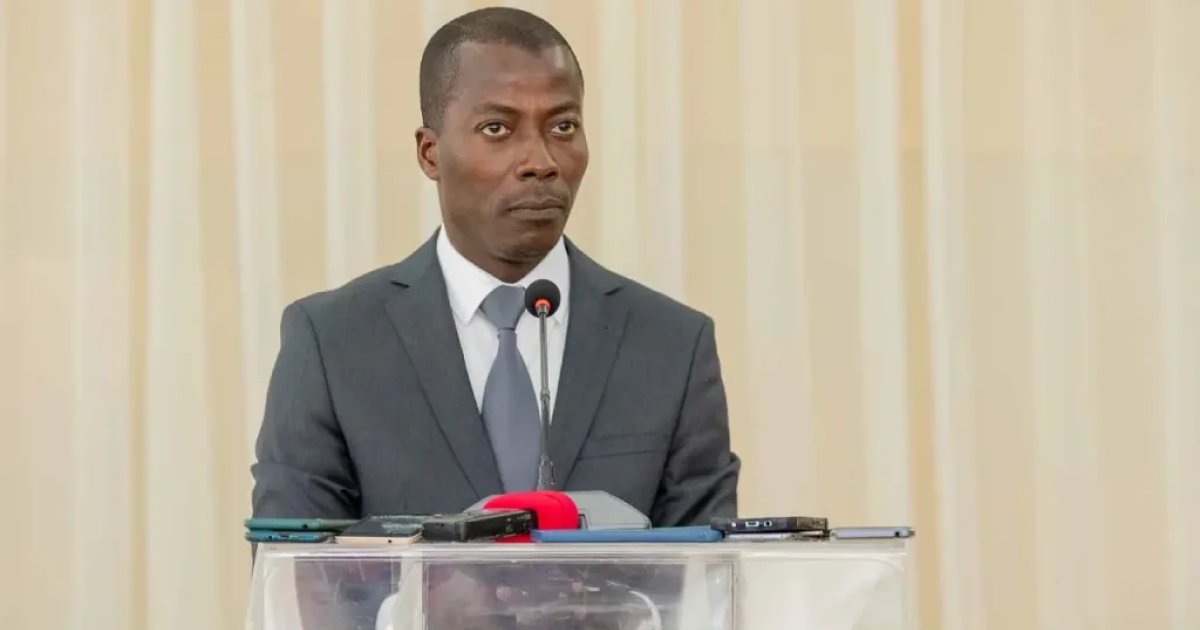
As Cameroon marks ten years since the first anglophone protests in October 2016, a stark warning emerges from the highest echelons of the country’s defense establishment. Captain Cyrille Atonfack Guemo, head of communication at the Ministry of Defense, strips away the revolutionary façade of separatist movements, revealing a calculated enterprise built on extortion, violence, and systematic deception that has left nothing but devastation in its path.
What began as legitimate grievances from teachers and lawyers demanding recognition of their common law system has, over a decade, transmogrified into a well-oiled predatory machine. According to Guemo’s searing editorial titled “October 2016 – October 2026: Cameroon’s resilient march toward security”, the insurgency was neither spontaneous nor organic. It was meticulously planned, years in the making, requiring sophisticated coordination, vast support networks, and substantial human and material resources.
Behind the rhetoric of liberation lies a ruthless business model—one that thrives on disruption, plunder, and the erosion of human dignity. As protests escalated, so too did the sophistication of the armed groups. Disguised as freedom fighters, they unleashed a wave of coordinated violence that exploited geographic distance to mask their centralized command structure. Schools burned, hospitals ransacked, and aid convoys targeted—every act of sabotage served a dual purpose: destroying infrastructure and broadcasting control.
The hollow promise of freedom: when emancipation means extortion
Guemo dismantles the myth of separatist liberation by exposing the contradictions baked into their ideology. If their goal were true freedom, why systematically deprive the very people they claim to represent of access to healthcare, education, and livelihoods? How can a movement that blocks farmers from their fields, burns markets, and imposes war taxes possibly lead to prosperity? The answer, he argues, is simple: it cannot. What remains is not liberation, but a systemic campaign of terror designed to extract wealth and subjugate—a form of neo-colonial exploitation wearing the mask of revolution.
The humanitarian crisis that followed is not collateral damage; it’s a tool of governance. Women and girls have been systematically targeted, reduced to enslaved laborers in makeshift camps. Men who once sustained their families are forced to beg for food, stripped of dignity and identity. Children, denied education, are herded into the darkness of ignorance—tools for future recruitment rather than empowered citizens. Every structure of civil society has been weaponized or destroyed: schools torched to erase identity, clinics reduced to rubble, churches and mosques desecrated not in worship, but in conquest.
Freedom of expression, a cornerstone of any just society, has been inverted. In this inverted world, dissent equals execution. Those who advocate peace, dialogue, or even neutrality become targets. Voices within the diaspora who once championed change have revealed themselves not as liberators, but as opportunists profiting from chaos. Their lavish lifestyles abroad contrast sharply with the ashes of villages back home—a glaring paradox that unmasks their true motives.
The turning point: when the mask of heroism slipped
For years, the anglophone crisis has been framed as a struggle for identity and justice. But a decade in, the mask has slipped. The narrative of liberation has collapsed under the weight of evidence. What remains is not a fight for freedom, but a ruthless bid for territorial control by armed factions who care more for power than people. These factions operate like warlords in a failed state, taxing every transaction, extorting every family, and hoarding resources—all while preaching emancipation.
Guemo’s editorial doesn’t just accuse; it exposes. It reveals how the diaspora, once a source of hope, has become complicit in the cycle of violence—financing armed groups under the guise of solidarity while sipping coffee in gilded cafés abroad. It highlights how armed factions, unable to win hearts, have turned to intimidation, assassinating anyone—even leaders within their own ranks—who dares question their reign of terror.
The tide is turning. Cameroonians are no longer deceived. After a decade of bloodshed, displacement, and broken promises, the illusion is crumbling. The people understand: this is not a fight for freedom. It’s a fight for survival against those who have hijacked their struggle and turned it into a machinery of greed and destruction. The final days of this imposture are near—and with them, the hope for restoration.
Only vigilance, patriotism, and love of country can heal what has been broken.