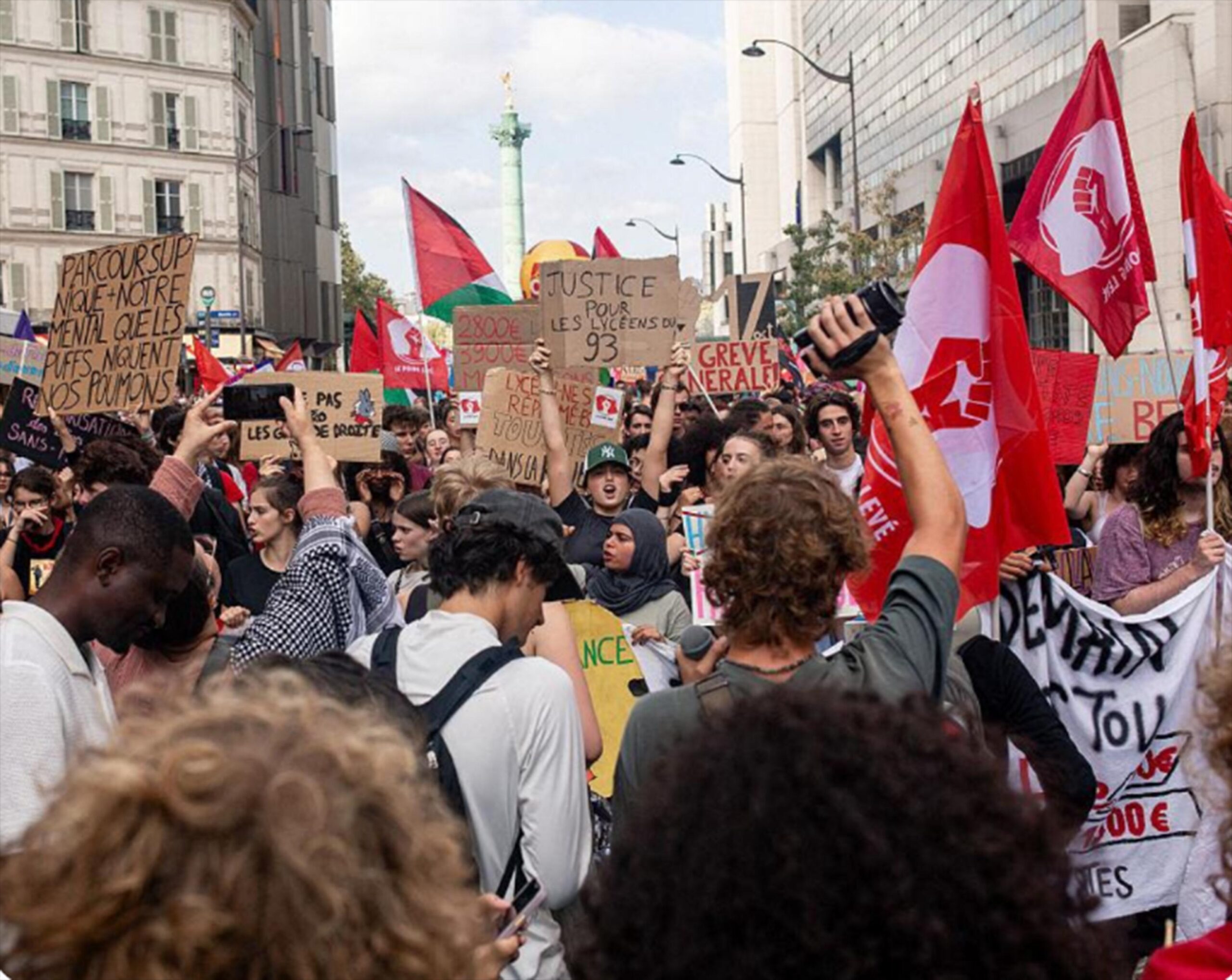
As France braces for a pivotal presidential election in 2027, the nation’s streets have become the epicenter of a groundbreaking movement. What began as isolated school-based protests has erupted into a nationwide awakening, with the future of education at the heart of a decisive national conversation. The escalating demonstrations—now spanning multiple generations— signal a critical juncture where youth demands intersect with broader societal grievances, forcing politicians to confront uncomfortable truths about a failing system.
From classrooms to city streets: the spark of nationwide unrest
The movement ignited at the start of the academic year when students raised the alarm over deteriorating learning conditions. Overcrowded classrooms, crumbling school infrastructure, and chronic teacher shortages topped the list of grievances. Families watching their children struggle with Parcoursup—the country’s centralized higher education admissions platform—reported mounting frustration with a process that has become synonymous with stress and uncertainty for millions of households.
What began as a ripple in high schools quickly gained momentum. By mid-October, the movement had snowballed into a full-blown crisis, drawing in university students, educators, and civil society actors. Sympathizers from beyond the education sector—including trade unionists and public service advocates—joined the chorus, expanding the movement’s reach and resonance. Estimates of participation varied sharply: organizers claimed nearly half a million took to the streets, while official sources cited figures over 60% lower. Beyond the numbers, the demonstration revealed deep-seated fractures in the social contract between the state and its youngest citizens.
The invisible divide: how geography fuels educational inequality
The protests have exposed glaring disparities in how children access opportunity. In affluent suburbs, well-maintained facilities and stable teaching staff often contrast sharply with conditions in underfunded urban districts and rural areas. Long commutes, outdated textbooks, and inconsistent teacher coverage have become daily realities for too many students. A government-led survey confirmed these disparities: inadequate school hours, crumbling buildings, and chronic teacher absences ranked as the top three student frustrations—far outpacing complaints about curriculum content or assessment methods.
These inequities go beyond classroom walls. They mirror broader societal divides, where the promise of meritocracy feels increasingly hollow. For students from modest backgrounds, the system’s failures risk perpetuating cycles of exclusion—threatening not just their academic futures, but their long-term social mobility.
When education protests collide with a cost-of-living crisis
The 17 October mobilizations marked a turning point. Youth anger over school conditions fused with broader discontent over soaring living costs, precarious employment, and deteriorating public services. Calls for convergence drew unexpected allies—including remnants of the Yellow Vests movement—into the fold. While participants brought diverse motivations, their shared presence underscored a unifying sentiment: a profound distrust in authorities’ willingness or ability to address systemic injustices.
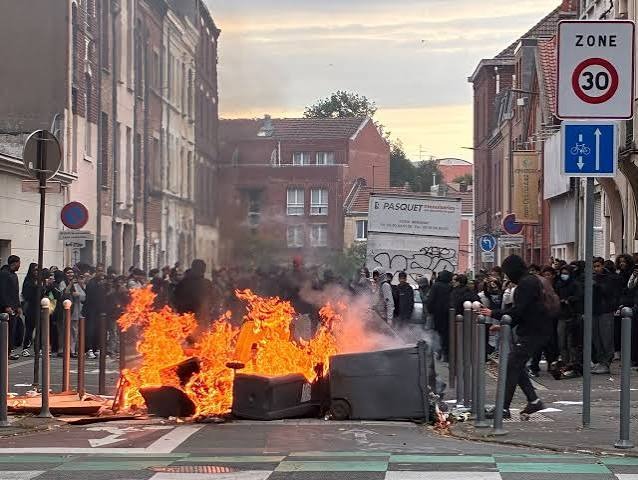
But the day also revealed tensions. In cities like Paris and Marseille, isolated clashes between protesters and law enforcement marred otherwise peaceful marches. While the scale and severity of the disturbances remain debated, they have raised urgent questions about the conditions of free expression, police conduct, and the sustainability of dialogue in polarized times.
2027 Election becomes a referendum on youth priorities
As campaign season heats up, the protest movement has thrust education—and youth itself—into the political spotlight. Parties across the spectrum now face a reckoning: how to address the widening trust deficit between policymakers and the public? For President Emmanuel Macron, whose final term ends in 2027, the crisis represents both a challenge and a test of legacy. His government’s response—or lack thereof—will shape how voters judge its final years in office, even as the election remains too close to call.
Candidates are scrambling to craft platforms that resonate with young voters. Yet the movement’s diversity complicates any one-size-fits-all approach. Not all students demand the same solutions: some prioritize classroom resources, others focus on tuition fees or apprenticeship opportunities. What unites them is a demand for accountability—proof that their concerns are being heard, not just acknowledged.
The road ahead: can protest translate into lasting change?
History cautions that street demonstrations, while powerful, often fade without concrete follow-through. To avoid that fate, this movement must transition from disruption to constructive engagement. It will require more than ministerial announcements or temporary funds. What’s needed—urgently—is a structured platform to co-design solutions with students, parents, teachers, and local communities.
The stakes transcend education policy. At its core, this is a debate about the Republic’s founding ideals: equality of opportunity, social solidarity, and intergenerational justice. The 2027 vote may determine which path France chooses—but the true test will come after ballots are cast. Will the institutions that shape young lives finally listen? Or will the next generation face the same disillusionment that has driven them into the streets?
As the sun sets on another day of protest, one thing is clear: the youth has spoken. Now, the nation must decide whether it will act—or leave them to march into an uncertain future.