From Kidal’s fall to a high-stakes gamble for survival
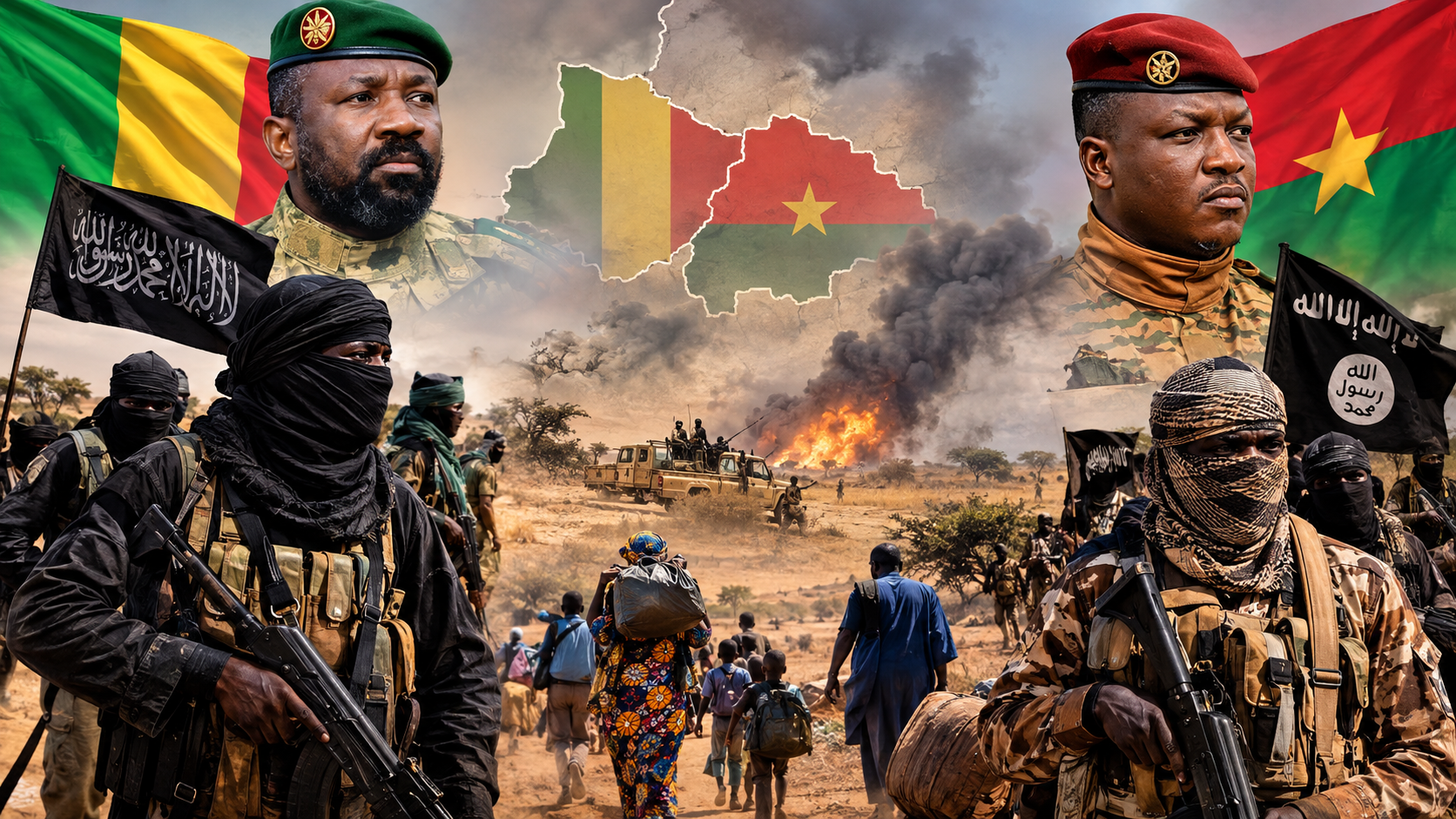
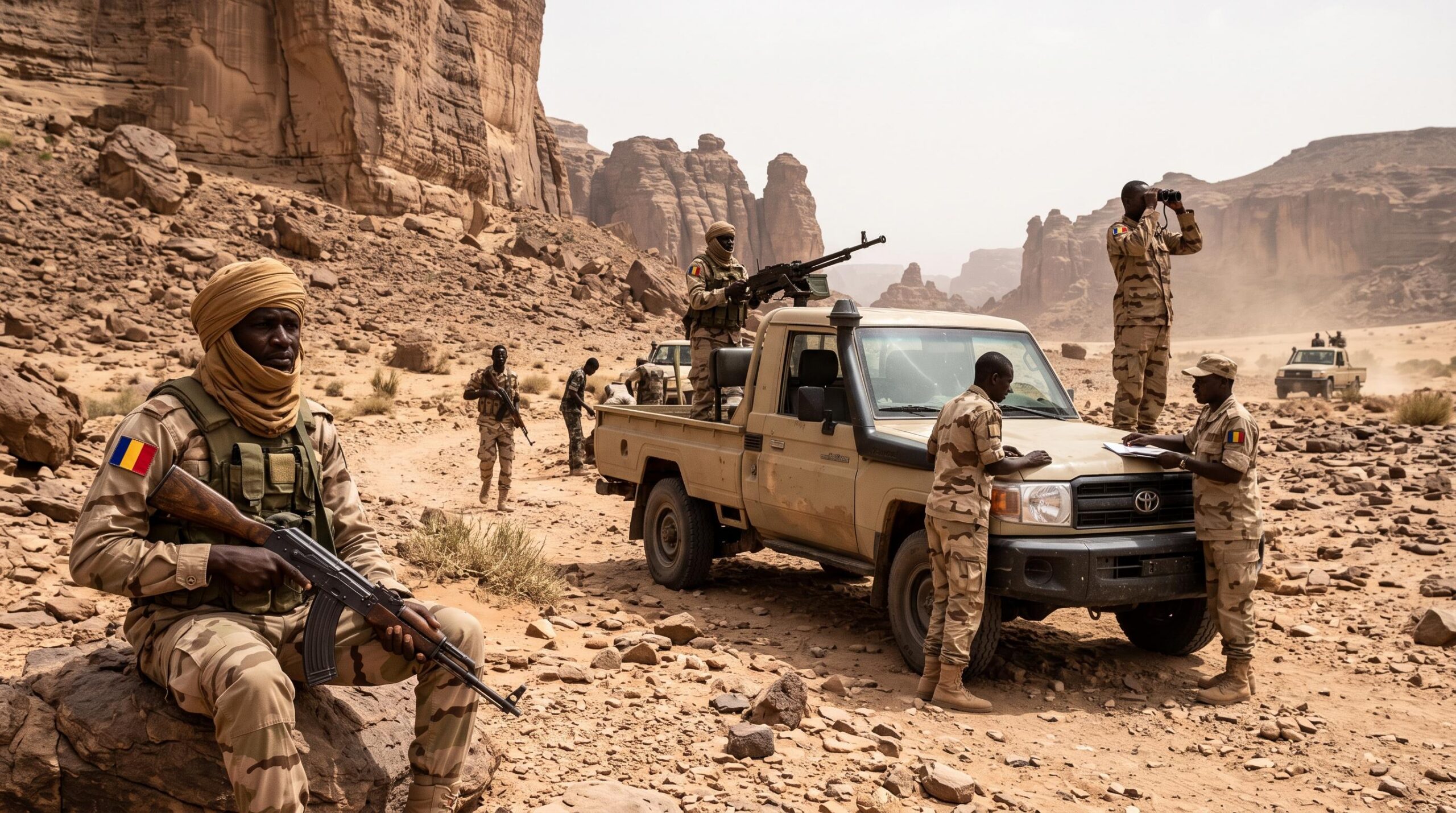
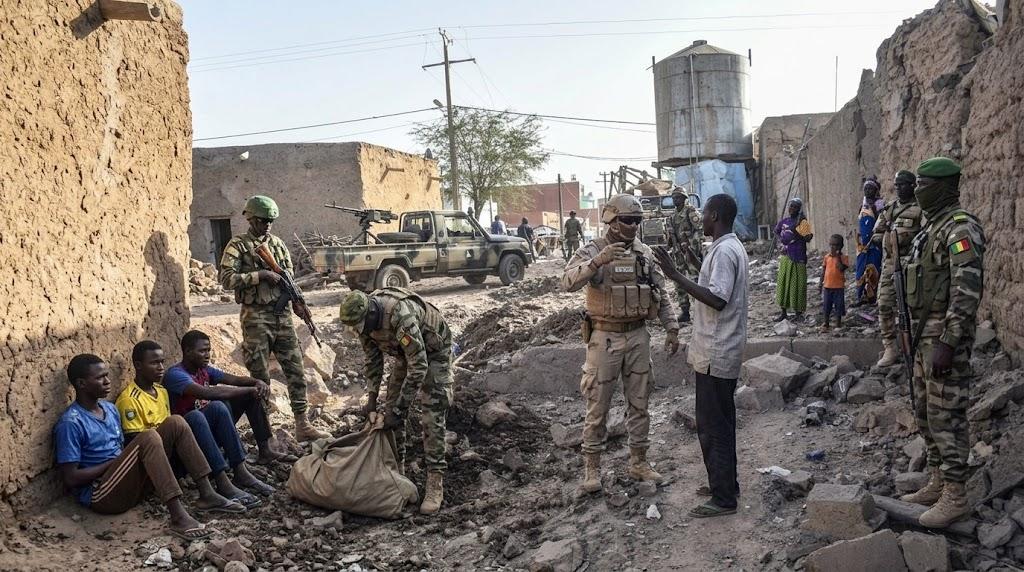
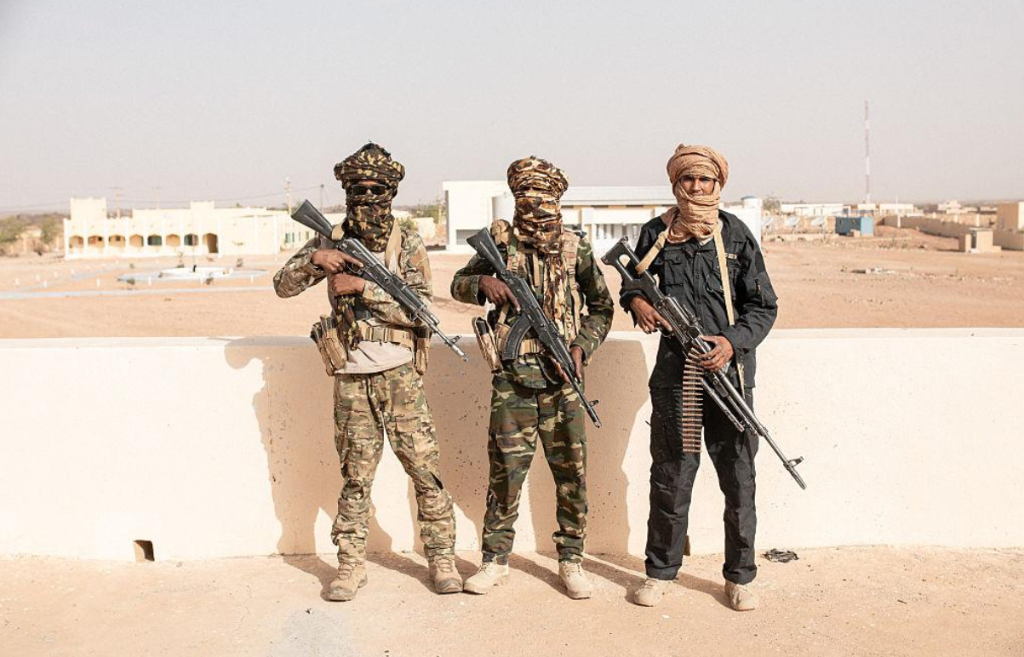
The recapture of Kidal by Malian forces marked a definitive turning point in the Azawad insurgency’s struggle for autonomy. The sudden withdrawal of the Front de libération de l’Azawad (FLA) from the city exposed the movement’s vulnerabilities and forced its leadership to seek urgent alternatives to sustain their armed campaign. Rather than face annihilation in a direct confrontation, the rebels opted for a strategic retreat, only to emerge with a bold new agenda: securing foreign alliances to compensate for their territorial losses.
Benghazi emerges as a critical ally in the Sahara’s shifting sands
The rebel delegation’s journey to Benghazi was not merely symbolic—it represented a calculated attempt to break out of the isolation imposed by Malian military advances. Meetings with key figures in the Libyan east, including Saddam Haftar, signalled the FLA’s willingness to explore unconventional partnerships, even if tangible military support remains uncertain. The proximity of Libya’s borders to northern Mali offers the rebels a lifeline: a potential route for arms transfers and logistical reinforcements that could revive their weakening position. Yet, this pivot carries significant risks, as it could further destabilize an already fragile regional security architecture.
How geographic proximity became an unexpected bargaining chip
The Sahara’s vast and porous desert borders have long facilitated illicit trafficking and militant movements. For the FLA, this geographic reality now serves as both a challenge and an opportunity. By leveraging Libya’s fractured eastern factions, the rebels aim to bypass the encirclement orchestrated by Malian forces. However, the fragile nature of Libya’s post-conflict governance means that any alliance remains provisional, subject to the shifting sands of its political alliances and the ambitions of its warlords.
Abou Dhabi’s calculated role in Mali’s shadow war
The FLA’s outreach to the United Arab Emirates extends beyond immediate military needs—it reflects a deeper regional realignment. Abu Dhabi’s growing influence in the Sahel-Sahara belt has positioned it as a key player in Mali’s insurgency dynamics. While the UAE’s financial and logistical networks could provide the rebels with much-needed resources, this potential partnership risks igniting a new diplomatic firestorm. Algeria, Mali’s northern neighbor, views such an alliance as a direct threat to its strategic interests, given the historical tensions between Algiers and Abu Dhabi over regional stability.
The diplomatic chessboard: Algeria’s counter-move
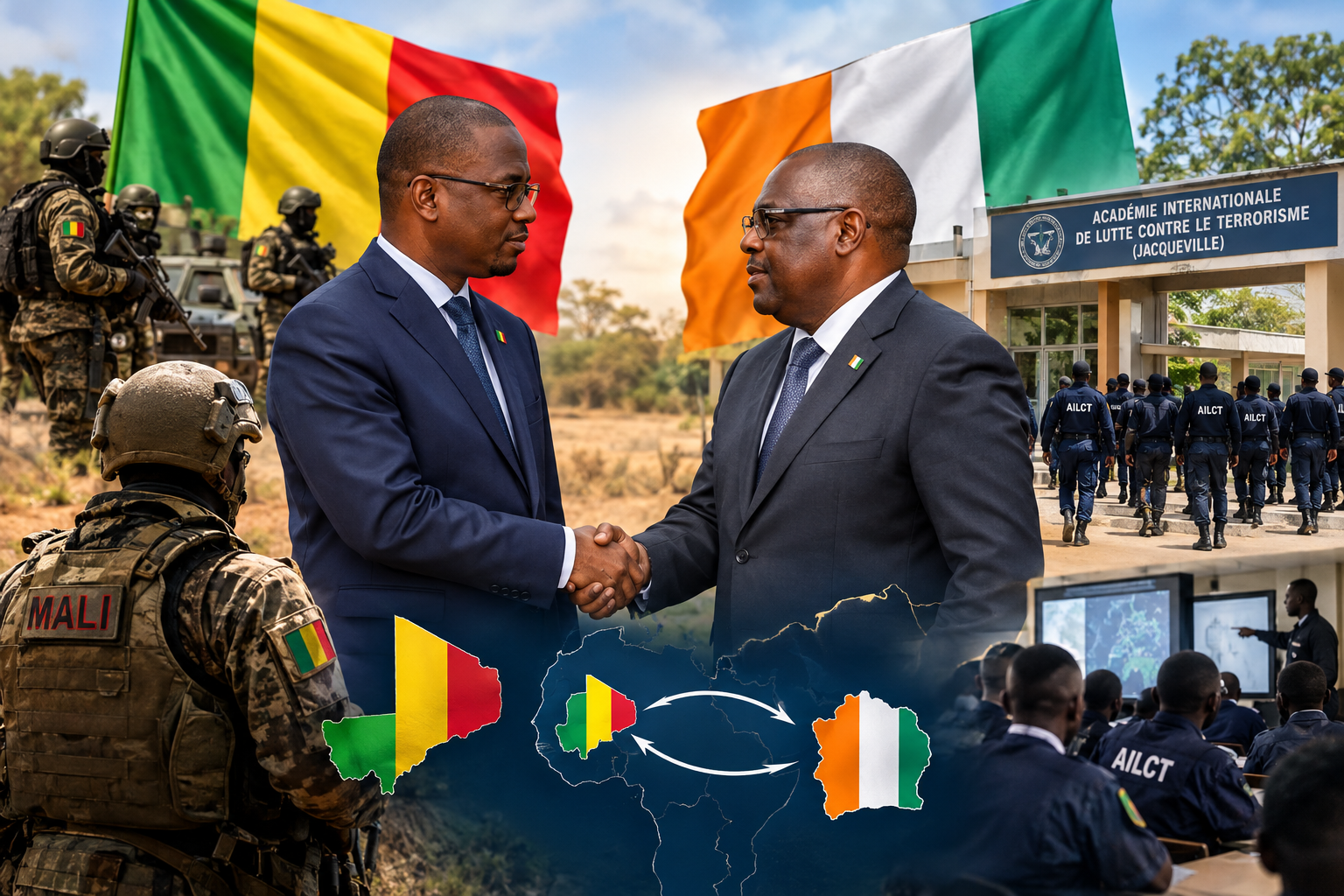
Algeria’s response to these shifting alliances has been swift and decisive. By tightening its diplomatic and security cooperation with Mali and Niger, Algiers aims to reassert its influence as the region’s natural stabilizing force. The resumption of high-level dialogues with Bamako and Niamey underscores Algeria’s determination to counter external interference in the Sahel. This renewed engagement is not merely reactive—it is a long-term strategy to secure Algeria’s southern flank against threats emanating from Libya, the UAE, or other rival actors.
Can cross-border alliances rewrite Mali’s insurgency map?
The FLA’s pivot toward Libya and the UAE is a high-risk strategy that could reshape the balance of power in the Sahel. While the rebels seek to regain momentum, their new alliances remain untested and volatile. Meanwhile, Algeria’s proactive diplomacy with Mali and Niger creates a counter-narrative, one in which regional states take the lead in addressing security challenges without outside interference. The coming months will reveal whether these competing strategies collide or coexist—and what price the people of northern Mali will pay for the gambles being made on their behalf.
The fragile equilibrium of Sahel-Sahel security cooperation
The Sahara’s desert routes have always been conduits for both commerce and conflict. Today, they are becoming battlegrounds for influence. The FLA’s search for allies in Libya and the UAE highlights the fluidity of insurgent strategies in the face of military setbacks, while Algeria’s diplomatic offensive underscores the stakes of regional sovereignty. In this high-stakes game, the durability of cross-border cooperation—and the resilience of Mali’s beleaguered state—will determine whether the Sahel can avoid further descent into chaos.