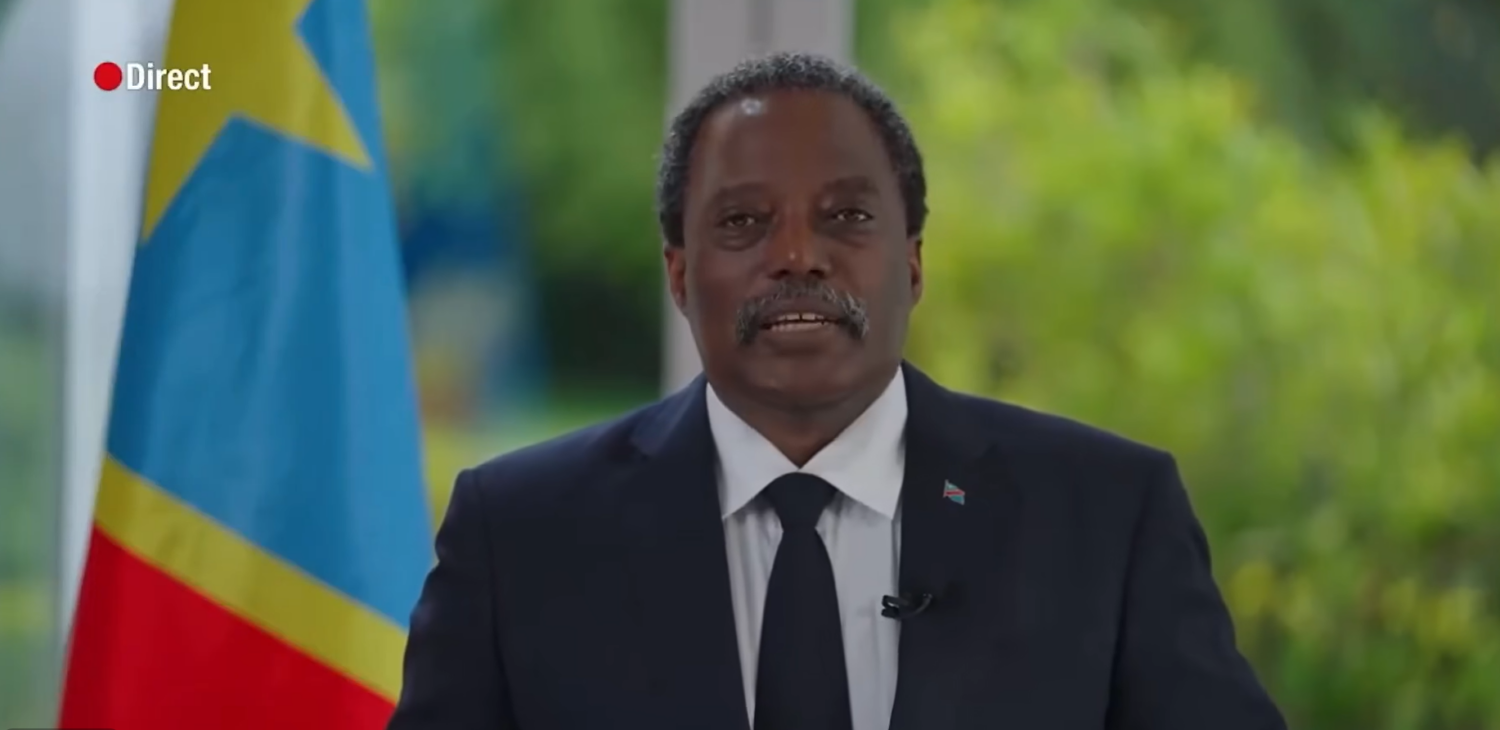
On October 12, 2026, Joseph Kabila, former President of the Democratic Republic of the Congo (DRC), made headlines by officially assuming leadership of the Front for the Refoundation of the Nation (FRN), a coalition that includes the M23 rebel group and the former Alliance Fleuve Congo. This move marks a dramatic military comeback and serves as a calculated strategy to provide political legitimacy to a rebellion already backed by Rwanda. While framed as a national movement, the alliance risks escalating tensions into a full-blown civil war in a country already grappling with deep-seated instability and resource-driven conflicts.
From rebirth to reckoning: The Kabila legacy in Congo
The Kabila dynasty’s involvement in Congo’s conflicts traces back to 1996, when Laurent-Désiré Kabila, Joseph’s father, led the Alliance of Democratic Forces for the Liberation of Congo (AFDL). Backed by Rwanda under Paul Kagame, the rebellion toppled Mobutu Sese Seko, bringing Laurent-Désiré to power in 1997. However, his attempt to free Congo from Rwanda’s influence triggered the Second Congo War and his assassination in 2001. At just 29, Joseph Kabila inherited the presidency, navigating a delicate balance between Kinshasa’s control, eastern militias, and regional pressures for nearly two decades.
Now, by openly aligning with the rebel factions he once opposed, Joseph Kabila is attempting to elevate a localized insurgency into a nationwide political crusade. This shift not only redefines his own legacy but also threatens to reignite the very conflicts his father sought to break free from.
Rebel alliance gains state-like legitimacy under Kabila’s banner
The M23, long dismissed as a Rwandan proxy militia defending Congolese Tutsi interests, now finds itself with a powerful figurehead. Joseph Kabila’s entry into the fray lends the rebellion an unprecedented veneer of political credibility, transforming what was once a border skirmish into a full-scale bid to overthrow President Félix Tshisekedi.
By merging military factions under one banner, Kabila is consolidating fragmented opposition groups into a unified front. This strategic realignment injects fresh momentum into the rebellion, drawing support from disillusioned political factions and marginalized communities across the DRC. Yet, analysts warn that this move cloaks deeper geopolitical ambitions, masking a web of international collusion and vested interests.
Congo’s vast riches fuel a predatory geopolitical storm
Stretching over 2.3 million square kilometers, the DRC is a geographic giant rich in cobalt, coltan, gold, and other critical minerals. However, its eastern regions—particularly North Kivu and Ituri—remain chronically unstable due to competing foreign interests. Rwanda’s direct involvement in destabilizing eastern Congo stems not only from security concerns but also from economic opportunism, as mineral exports—even those not mined within Rwanda’s borders—boost Kigali’s economy.
This dynamic of mineral theft and proxy warfare thrives on chaos. While multinational corporations in Western capitals and Asian markets benefit from cheaply sourced Congolese resources, local populations suffer under the boot of both rebel armies and state-aligned militias. The apparent contradiction—“security in the mines, insecurity everywhere else”—highlights a grotesque paradox where global demand perpetuates local suffering.
Human cost ignored as rebel momentum grows
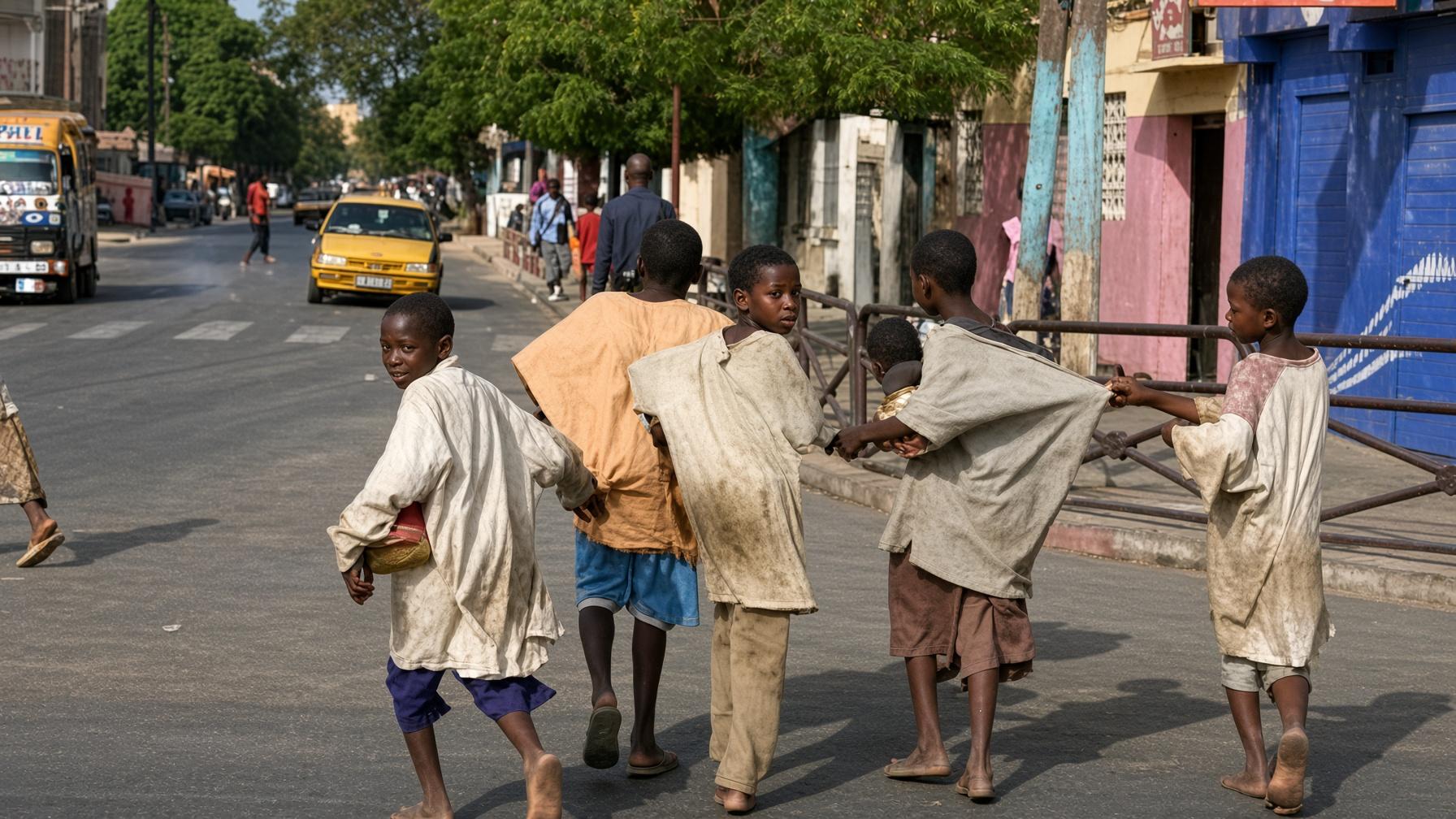
With nearly 150 armed groups, including criminal gangs, self-defense militias, and foreign jihadist remnants like the ADF-NALU, eastern Congo is already one of the most dangerous places on earth for civilians. Killings, mass displacement, and sexual violence have plagued the region for decades, earning it the grim title of one of the world’s worst humanitarian crises.
By placing his political stature behind the FRN, Joseph Kabila has not only escalated the military stakes but has also signaled a willingness to sacrifice civilian lives in pursuit of power. As rebel forces gain cohesion and momentum, the civilian toll—already catastrophic—risks reaching catastrophic new heights. With no end in sight, Congo’s descent into deeper conflict appears not just possible, but increasingly inevitable.