Morocco news
A new dawn for Morocco: King Mohammed VI unveils reshuffled cabinet with bold priorities
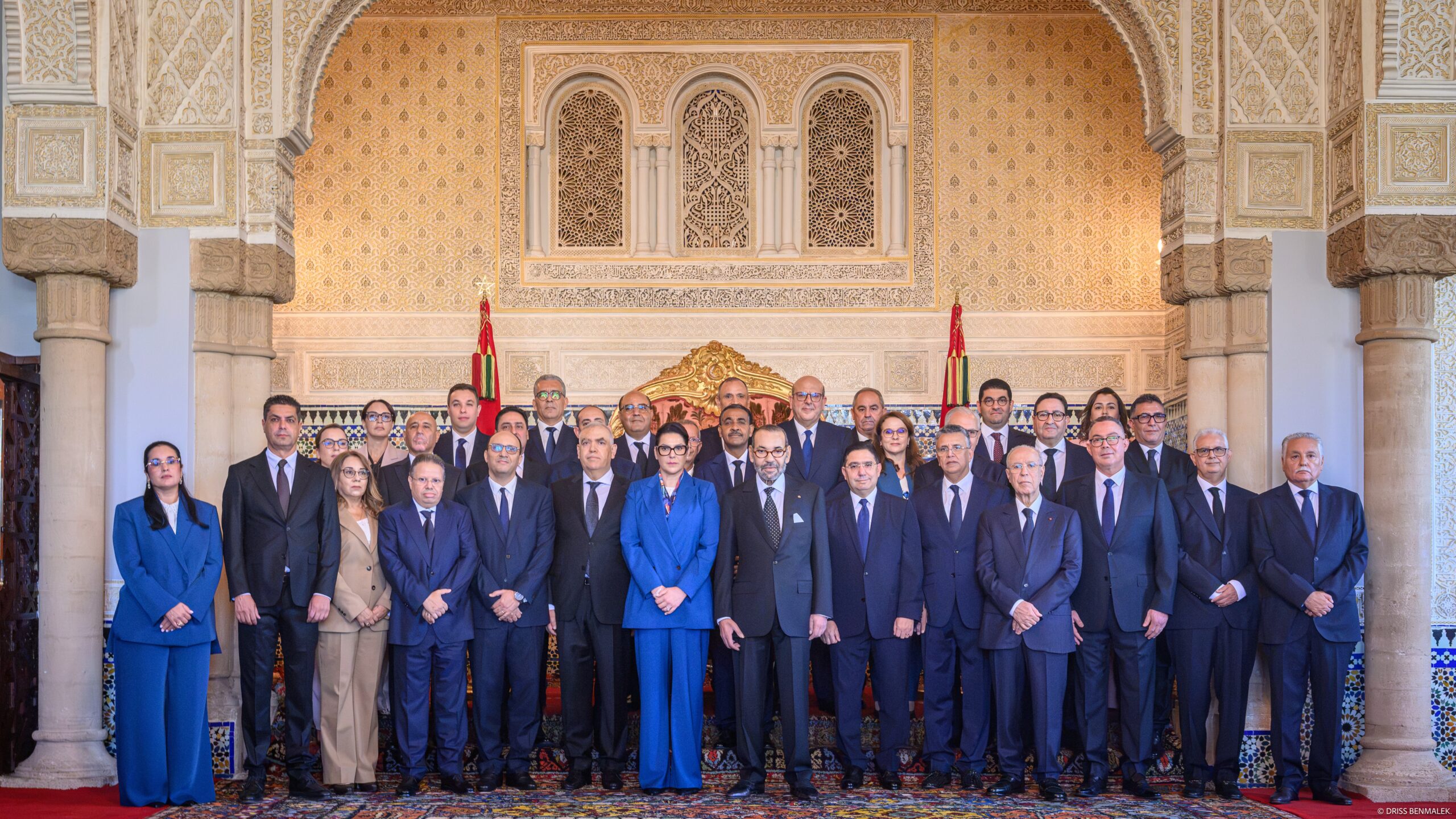
His Majesty King Mohammed VI presided over a historic ceremony at the Royal Palace in Rabat on October 16, 2026, marking the official swearing-in of Morocco’s newly reshuffled government. The landmark event signals a decisive shift in national governance, as the appointed officials took their oaths before the Sovereign before posing for a commemorative group photograph.

Government reshuffle: The full breakdown of new appointees
King Mohammed VI’s strategic cabinet reshuffle introduces a wave of fresh leadership across key ministries, reflecting a commitment to modernize governance and accelerate economic reforms. The new lineup features a blend of experienced technocrats and reform-minded officials tasked with steering Morocco through a critical juncture in its development trajectory.
Economic rebound: Priorities for businesses and investors
Central to the reshuffle is a renewed focus on economic revitalization, with several high-profile appointments aimed at stabilizing Morocco’s business environment. The incoming leadership is expected to prioritize foreign direct investment, streamline regulatory processes, and foster innovation across strategic sectors including renewable energy and digital infrastructure.
Economic analysts anticipate that the new cabinet’s initiatives will address long-standing challenges such as youth unemployment and regional disparities, while positioning Morocco as a leader in Africa’s green energy transition.
Public reception and political implications
The announcement of the reshuffled cabinet has sparked a spectrum of reactions across Morocco’s political and social landscape. Supporters of the move highlight the visionary leadership of King Mohammed VI, while critics question the immediate impact of the changes on citizen welfare and policy continuity.
Political observers note that the reshuffle comes at a time of heightened regional instability, underscoring the importance of cohesive governance to navigate external pressures while maintaining internal stability.
What’s next for Morocco under the new leadership?
The coming months will be pivotal as the newly appointed officials begin to implement their agendas. Key areas of focus include:
- Institutional reforms: Strengthening transparency and accountability within public institutions.
- Economic diversification: Reducing dependence on traditional sectors by investing in technology and manufacturing.
- Social equity: Addressing disparities in access to education, healthcare, and economic opportunities across urban and rural communities.
- Regional cooperation: Enhancing Morocco’s role in regional economic blocs to bolster trade and security partnerships.
The reshuffle represents not just a change in personnel, but a strategic inflection point for Morocco’s future, blending continuity with innovation to meet the challenges of a rapidly evolving global landscape.
Reactions from Morocco’s civil society
Civil society organizations have been vocal in their responses to the reshuffle, with some applauding the introduction of younger, reform-oriented ministers, while others call for tangible actions to address pressing social issues. Labor unions and business federations have emphasized the need for immediate economic relief measures, particularly in light of global economic uncertainties.
The diversity of the new cabinet, including an unprecedented number of women in key portfolios, has also generated discussion about Morocco’s progress in gender representation and inclusive governance.