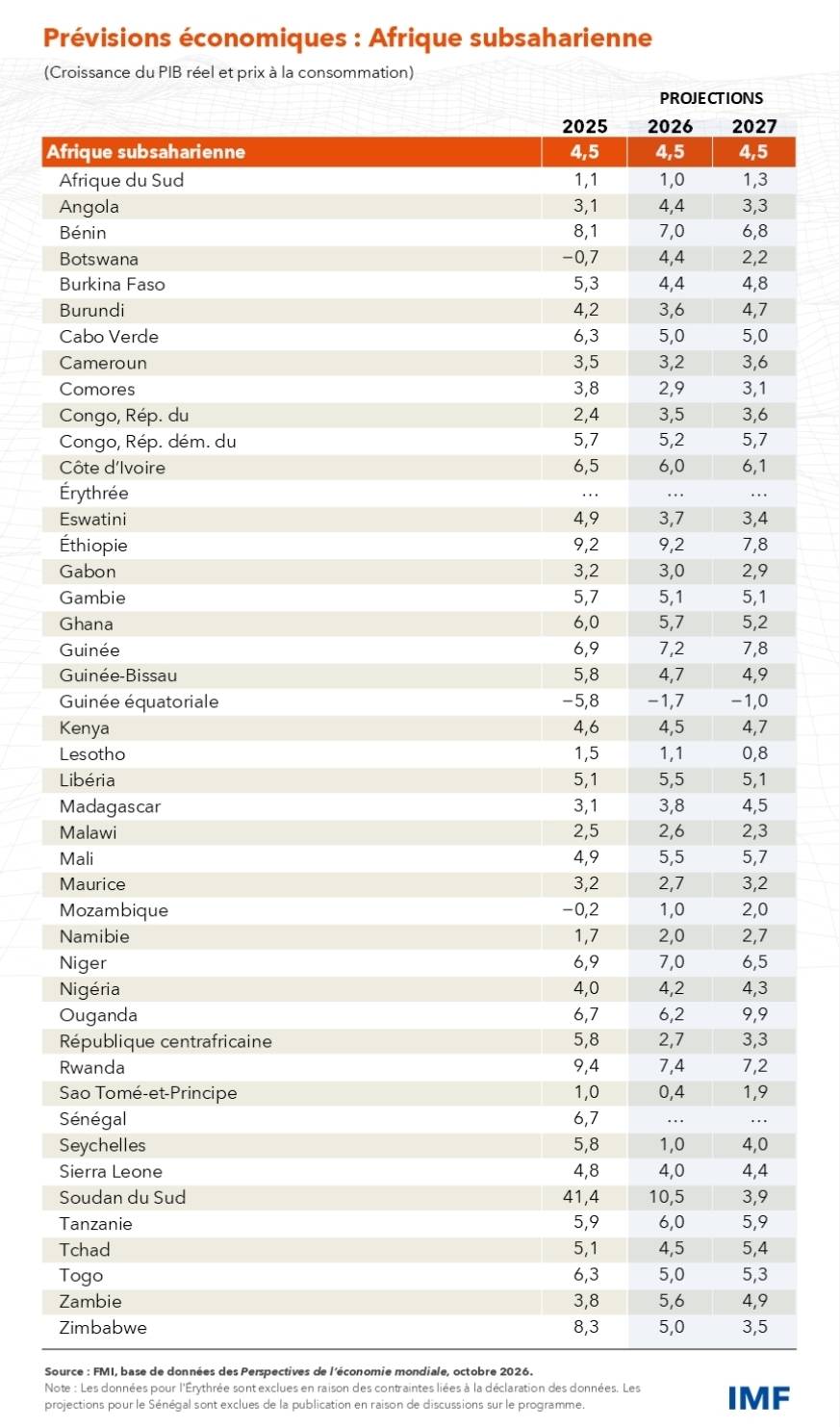
Senegal’s government has just set the wheels in motion for a groundbreaking initiative to clear up to 1.9 trillion FCFA in outstanding public arrears before the fiscal year concludes. This move, confirmed by a key minister in the economy and finance portfolio, places small and medium-sized enterprises (PMEs) first in line to receive payments owed for goods, services, and contracts delivered to the state. While the technical roadmap remains under wraps, the urgency underscores a broader reckoning with years of deferred payments that have crippled local businesses.
From crisis to breakthrough: how arrears accumulated over time
The staggering figure of 1.9 trillion FCFA—approximately 10% of Senegal’s projected 2024 GDP—highlights a deep-seated crisis in public cash flow. Over multiple fiscal cycles, delayed payments to suppliers, pending public contract settlements, and uncompensated tax credits have ballooned into a financial burden that now threatens macroeconomic stability. Official details remain scarce: authorities have not disclosed how much of the debt is domestic versus foreign, how many companies are affected, or the criteria for prioritizing payments in the initial phase. What is clear is that transparency—or the lack thereof—has fueled uncertainty in a business environment already strained by collapsing public demand.
Senegalese employer organizations, including the influential Conseil national du patronat (CNP) and the Confédération nationale des employeurs du Sénégal (CNES), have long warned that over 60% of local firms—especially in construction, IT services, and administrative supply—depend on government contracts. The ripple effect has been severe: cascading bankruptcies, mass layoffs, and a sharp tightening of bank credit lines for state contractors have defined the past 18 months. The new arrears cleanup operation isn’t just financial—it’s existential for many enterprises.
Unmasking the debt: hidden liabilities and IMF scrutiny
This cleanup initiative follows a damning report by Senegal’s Court of Auditors in early 2025, which exposed hundreds of billions in unrecorded government liabilities from the previous administration. The revelation triggered immediate consequences: the International Monetary Fund (IMF) froze its active lending program and demanded a forensic audit before resuming disbursements. Restoring confidence in Dakar’s fiscal credibility now hinges on resolving these arrears, which the IMF categorizes as a structural performance benchmark—on par with public wage bills and primary budget balances.
For a resumption of IMF support, Senegal must present a credible, time-bound plan. Analysts anticipate a hybrid approach combining direct cash payments from treasury reserves, securitization via sovereign bonds, and tax offsets for eligible PMEs. The chosen mix will determine whether this initiative delivers real liquidity relief to struggling businesses or simply postpones an imbalance rooted in chronic fiscal gaps.
A regional playbook: lessons from neighbors
Senegal isn’t blazing a new trail; it’s following precedents set by regional peers. Côte d’Ivoire successfully cleared roughly 800 billion FCFA in domestic arrears between 2012 and 2015, blending direct payments with tradable public securities on the West African Monetary Union (WAMU) market. Benin took a similar route in 2019, targeting local suppliers through a dedicated facility. In both cases, the restoration of trust among PMEs catalyzed a rebound in private investment and economic momentum.
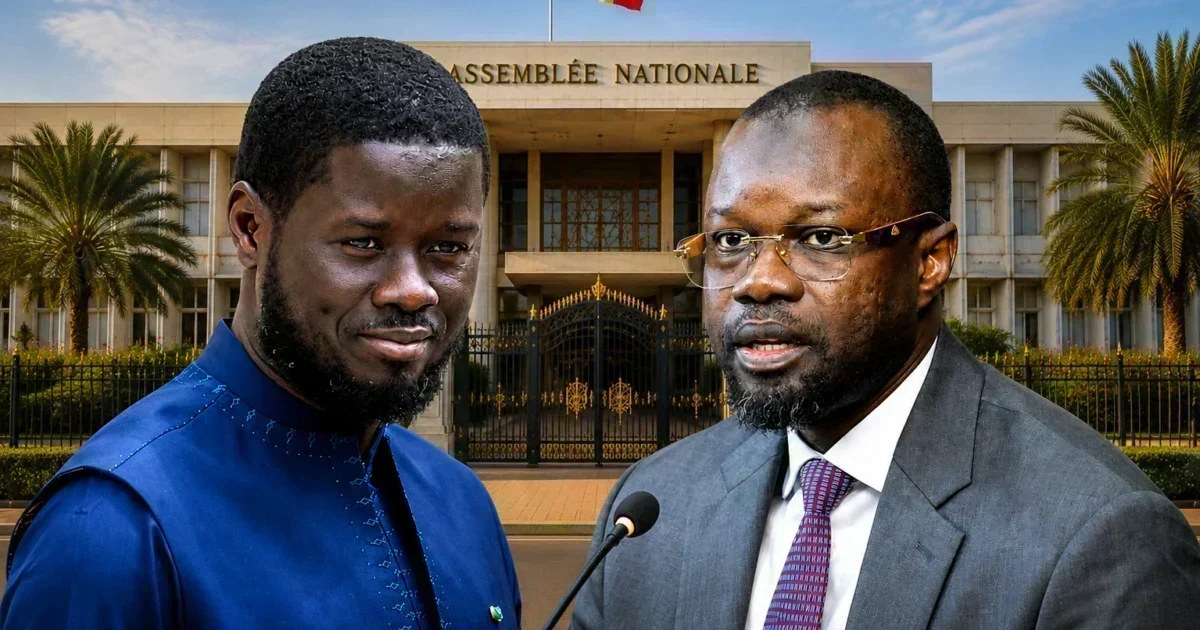
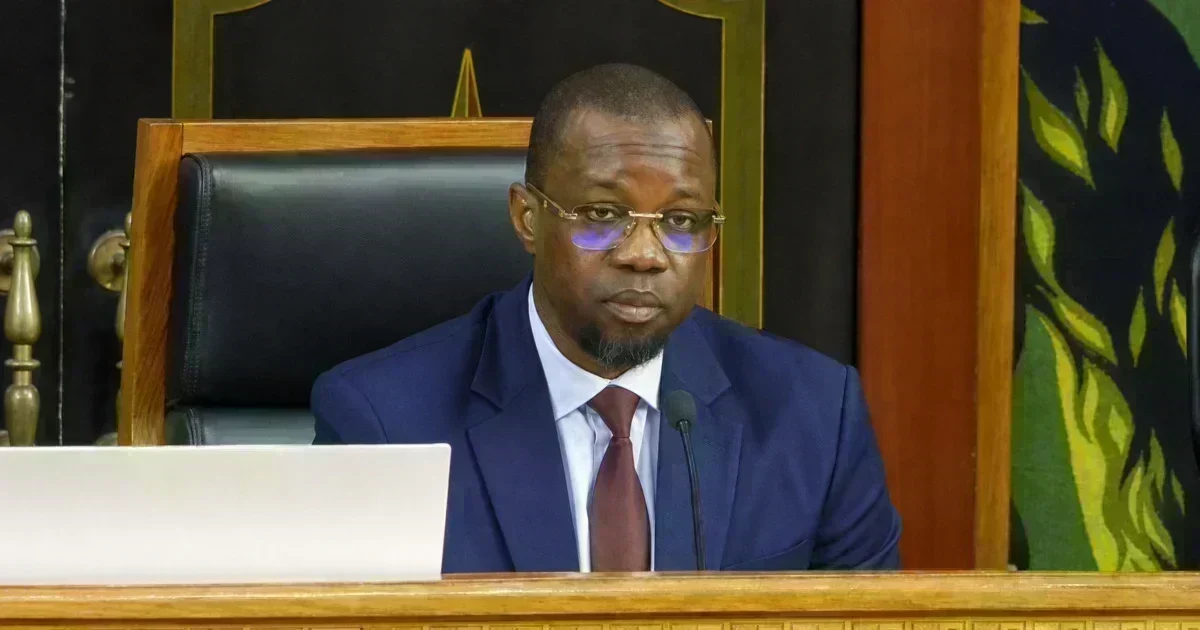
For Senegal’s Bassirou Diomaye Faye–Ousmane Sonko administration—elected in April 2024 on a platform of fiscal transparency and systemic reform—this operation is a litmus test. Delivering on the year-end pledge would signal to the private sector that the government is serious about reversing a year and a half of shrinking public demand and downgraded growth outlooks.
The financial mechanics remain the biggest wildcard. With Senegal’s regional bond market demanding yields above 8% in 2025, issuing new debt to cover arrears risks deepening fiscal strain. Officials face a trilemma: borrow more at high cost, stretch payments over time, or resort to tax credits—each option carries distinct implications for PME cash flow and long-term debt sustainability.
PMEs in the crosshairs: who stands to gain—and at what cost?
The immediate beneficiaries of the cleanup will likely be suppliers with proven claims, especially those holding invoices endorsed by public entities. Yet the ripple effects could be uneven. While larger contractors may absorb delays or offset losses via alternative financing, smaller outfits—already teetering on insolvency—risk falling through the cracks unless the government implements targeted disbursement windows and stringent oversight.
For PMEs, the stakes couldn’t be higher. A successful clearance could unlock dormant capital, ease credit constraints, and restore confidence in public procurement cycles. Failure, however, risks prolonging the liquidity squeeze, accelerating insolvencies, and undermining investor appetite in one of West Africa’s most dynamic markets.